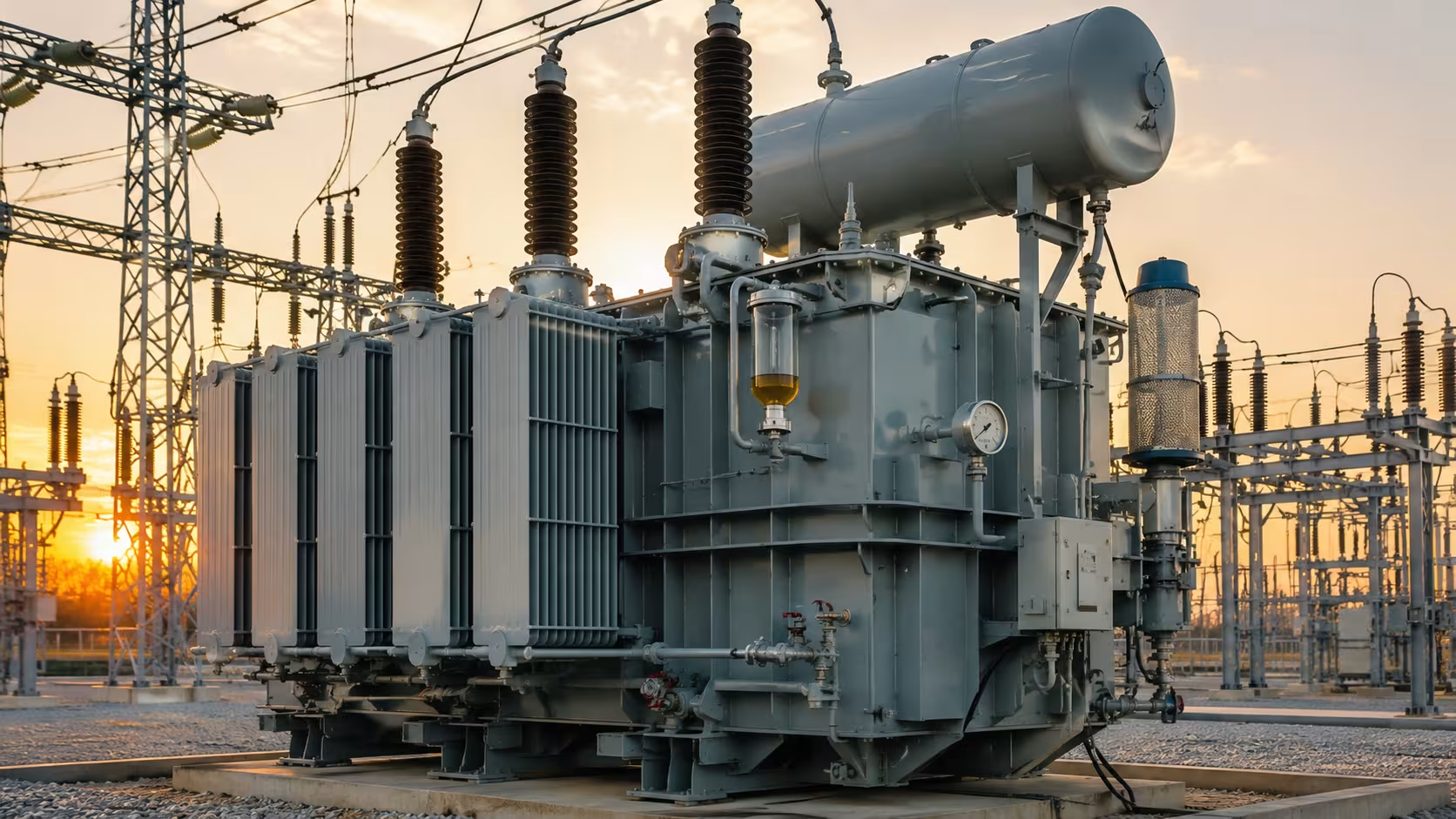
Transformers are one of the most essential electrical equipment used in power production, transmission and distribution systems. They are very efficient in transferring electrical energy from one circuit to another and also at changing voltage levels. Transformers are vital to the consistent delivery of energy, whether at a power station, an industrial plant or a home distribution network. It is very important for students, technicians, maintenance people and engineers, who work with electrical equipment, to know the transformer parts name and their duties.
My experience researching and evaluating industrial electrical systems has shown me that most transformer problems are caused by one particular component, not the whole unit. When you know what each part does, it makes it easy to diagnose and helps you work to improve maintenance procedures. Even for beginners, knowing the design of transformers is a good base in electrical engineering and power systems.
READ MORE: Electric Discharge Machining Diagram, Principle, Working & Applications
What Is a Transformer?
A transformer is an electrical device that transfers electrical energy between two circuits by electromagnetic induction. It works by transforming electrical energy into magnetic energy and then back into electrical energy at a different voltage level. In general, transformers are divided into two categories: step-up transformers ( that raise voltage ) and step-down transformers (that decrease voltage). It works on a magnetic field created in the main winding which generates a voltage in the secondary winding through the transformer core.
Various transformer components work together to ensure efficient energy transfer, proper insulation, cooling, protection, and voltage regulation. Without these components, safe and reliable transformer operation would not be possible.
Different Transformer Parts Name and Their Functions
1. Core
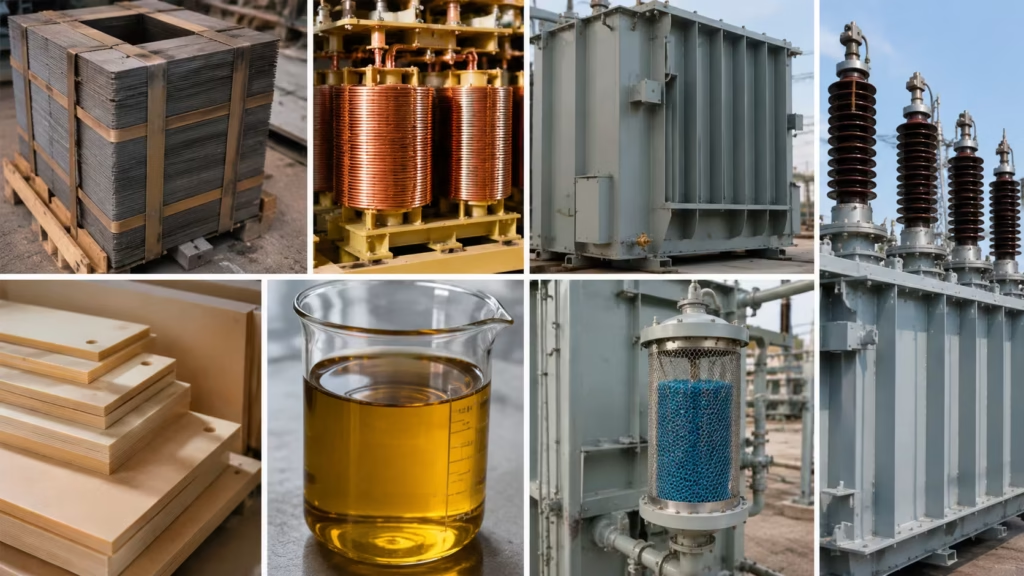
The transformer core provides the magnetic channel for flux to go between the windings. Its core is normally formed of laminated silicon steel sheets and is located in the middle of the transformer. Its major purpose is to minimize magnetic losses and to enable effective energy transmission from the primary to the secondary winding.
2. Primary and Secondary Windings
The windings are insulated copper or aluminum conductors wound around the core. Input power is applied to the primary winding and output power is obtained from the secondary winding. These windings are important because they determine the voltage transformation and the current flow in the transformer.
3. Transformer Tank
The transformer tank is the steel shell which holds the core, windings and transformer oil. It shields the interior parts from environmental harm and pollution. The tank also holds the cooling equipment and several accessories necessary for the transformer to operate safely.
4. Insulation System
The insulation system contains paper, pressboard, varnish and other insulating materials applied between the electrical components. It avoids electrical leakage and short circuits between windings, core and tank. Good insulation greatly enhances the dependability and longevity of transformers.
5. Transformer Oil
Transformer oil fills the area around the core and windings in oil-filled transformers. It is used mostly as a coolant and as an electrical insulator. It absorbs the heat created during operation and aids to disperse it, while providing increased dielectric strength between powered components.
6. Bushings and Terminals
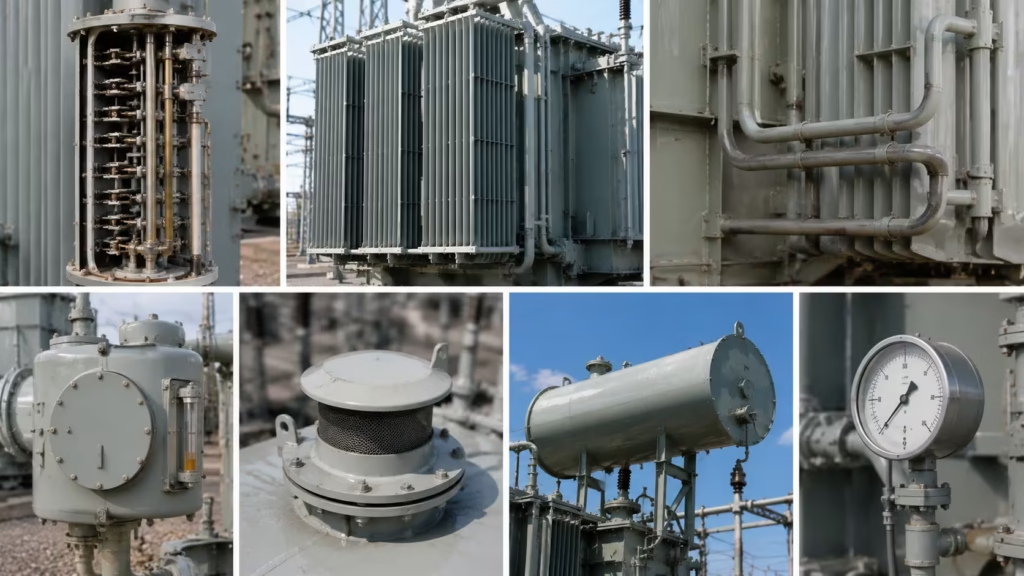
Bushings and terminals make secure electrical connections between the transformer windings and external circuits. They are mounted on top or sides of the tank, and allow conductors to flow through grounded surfaces without leakage of current. They are vital for secure electricity transmission.
7. Breather
The conservator tank is linked to a breather. The breather includes silica gel. Its job is to dry the air entering the transformer. The breather keeps moisture away from transformer oil to assist preserve insulation quality and operating safety.
From my experience during transformer inspections, many individuals primarily focus on the core and windings as these are the key electrical components. But just as crucial are protective and cooling gear. Small components such as breathers and conservators typically define a transformer’s life without catastrophic failures. When properly maintained, these accessories can greatly increase the life of the transformer.
8. Tap Changer
The tap changer changes the voltage ratio of the transformer by adding or subtracting active turns from the winding. It may be operated on load or with the transformer de-energized. This part serves to keep the output voltage steady with changing supply circumstances.
9. Radiators
Radiators are put on the outside of the transformer tank to give additional cooling surface area. The radiator tubes contain hot transformer oil. Heat is rejected to the ambient air. Good cooling helps to keep the temperature below the maximum allowable temperature and helps to improve the operation of the transformer under severe loads.
10. Cooling Tubes
Transformer oil flows via cooling tubes to aid in removing heat from key components. They assist maintain safe operating temperatures during continuous operation of the transformer. They aid with thermal management.
11. Buchholz Relay
Buchholz relay is a protection device fitted between the transformer tank and the conservator. It senses gas generation from internal defects such insulation failure or overheating. It triggers alarm or trips the circuit breaker under abnormal situations.
12. Explosion Vent
An explosive vent offers safe release of excess internal pressure. In case of a serious malfunction that produces a large amount of gas inside the transformer, the vent is used to relieve pressure to prevent tank rupture and damage to equipment.
13. Oil Conservator
The oil conservator is a tank placed over the transformer tank. It permits variation of the volume of oil with variation of temperature. To provide consistent insulating and cooling effectiveness throughout operation, a correct oil level is maintained.
14. Temperature Gauge
A temperature gauge continually checks the temperature of the transformer. It is normally mounted on the tank and warns operators if temperatures go over acceptable limits. This gadget prevents overheating and allows you to do maintenance in time, before major harm happens.
Why Transformer Components Are Important
Understanding the parts of transformer and their functions is essential because every component contributes to overall performance. The core and windings improve electrical efficiency, while tap changers assist with voltage regulation. Transformer oil, radiators, and cooling tubes manage heat dissipation and prevent thermal damage.
Protective devices such as the Buchholz relay, explosion vent, and temperature gauge help identify faults before they become catastrophic failures. Insulation systems and bushings maintain electrical safety, while the oil conservator and breather preserve insulation quality. Together, these electrical transformer parts ensure reliability, safety, and long service life.
Conclusion
Knowing the transformer parts name and their roles is very important for anyone who deals with electrical systems. The transformer core and windings all have their own function. Protective devices include the Buchholz relay and explosion vent. A better understanding of the building and maintenance methods of power transformers may be gained by learning all sections of the transformers.
I think that knowing the transformer components is one of the finest areas to start to comprehend electrical machines and power systems. Troubleshooting becomes lot easier if you know how each aspect contributes to performance. If you are a student, technician or engineer, learning these components of transformers can assist you to operate more confidently with electrical equipment in your care.