If you have just had a converter updated or are looking to recycle one, knowing the catalytic converter price before selling can make all the difference in your pay out. I’ve seen numerous car owners destroy converters over the years when they had no idea the value still in them. In a few situations I’ve seen converters go for hundreds more only because the owner verified the serial number beforehand. That’s why I always propose to find out the value before accepting any deal.
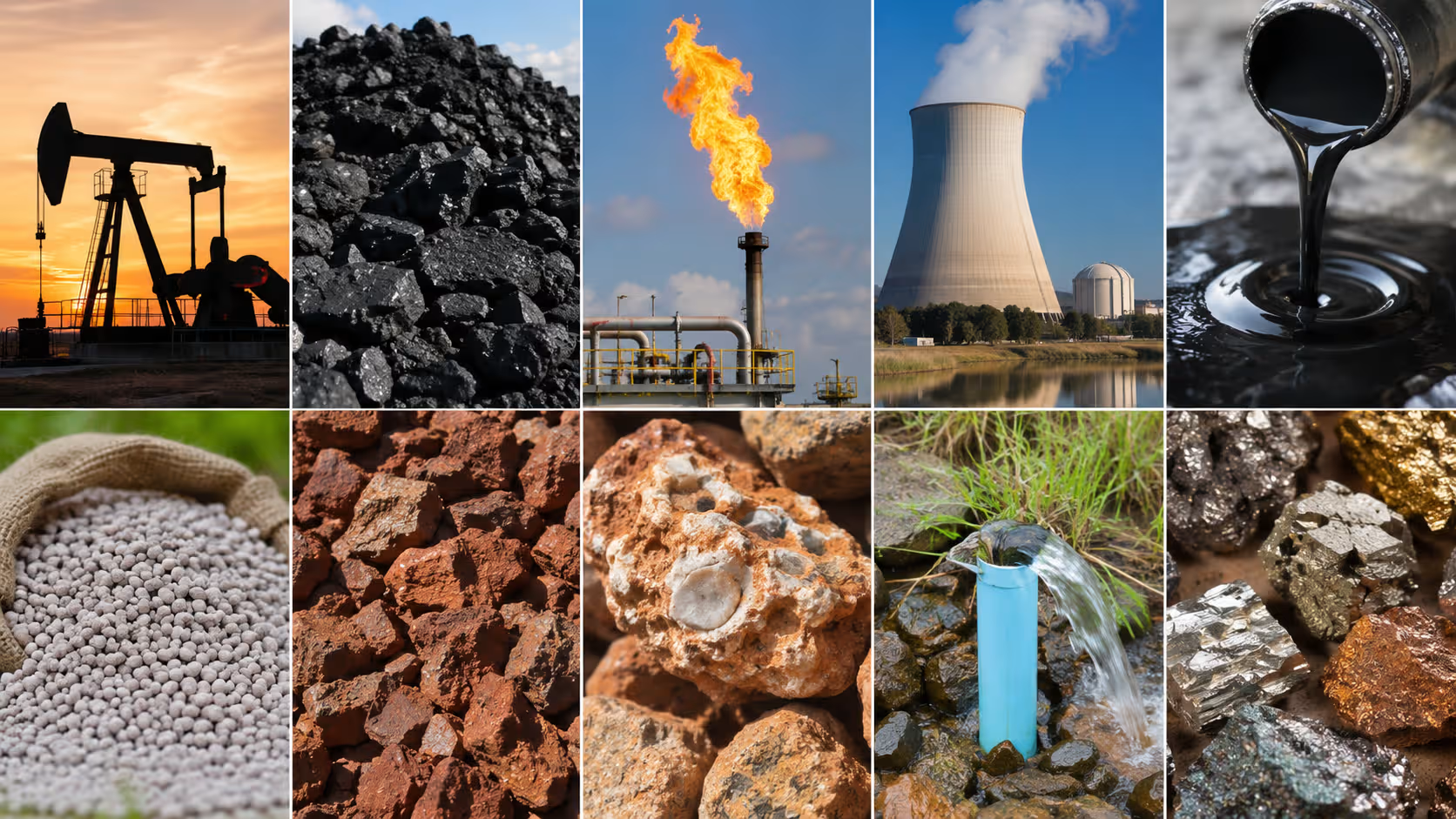
Platinum, palladium and rhodium are precious metals found in catalytic converters. These metals are the reason a used converter still has significant recycling value. The catalytic converter price can vary widely, however, based on the serial number of the converter, the manufacturer, metal loading and the current market circumstances. Doing a catalytic converter serial number check will help you know a realistic selling price before you go to a recycler.
READ MORE: Service AdvanceTrac Warning Light On? Here Are the Most Common Causes and Fixes
Why Catalytic Converter Price Can Vary So Much
The biggest factor influencing catalytic converter price is the amount of recoverable precious metals inside the unit. The market prices of platinum, palladium and rhodium are subject to constant change and are traded on world markets.
OEM converters tend to have a larger concentration of these metals than an after market catalytic converter. Therefore, an OEM device frequently has a greater recycling payback. However, the amount of metal included in two apparently similar converters may vary widely.
Precious metal markets globally are equally important. Typically, a rise in the price of palladium or rhodium causes the catalytic converter price to increase. But when the market falls, it might take just days for the recycling pay-outs to fall.
Why Two Similar Vehicles Can Have Completely Different Converter Values
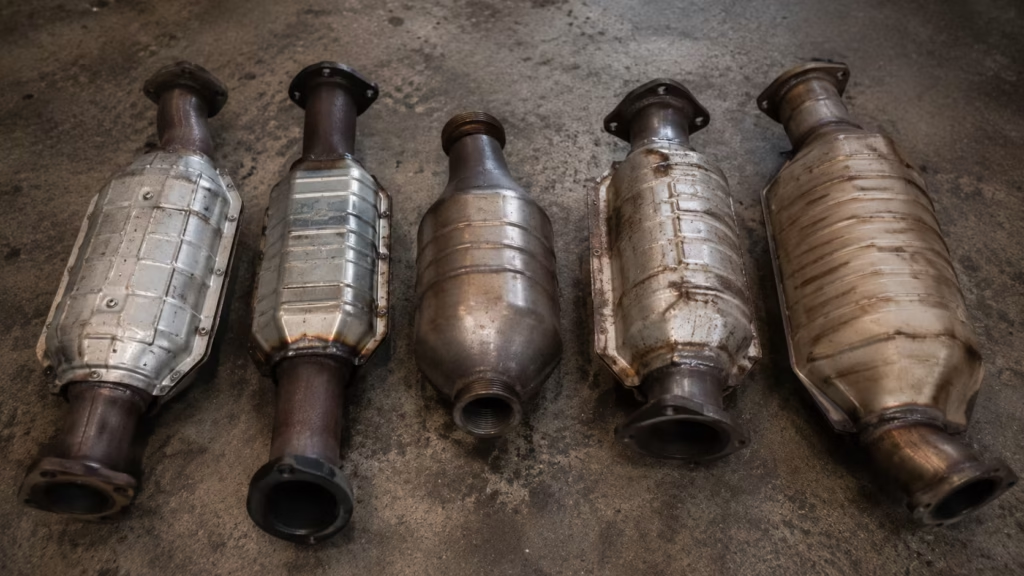
A common assumption I see is that converters from similar vehicles are worth equal amounts. In fact, manufacturers make use of varied emissions designs, metal loadings and converter combinations.
A Toyota converter might have far more or less of the precious metals than a Ford converter of the same manufacture year. Converter construction might also be affected by regional emissions standards. Some OEM units manufactured to tougher emission requirements include larger quantities of metals, giving the catalytic converter a higher value and frequently a stronger catalytic converter price in the recycling market.
Another big distinction is the difference between an OEM catalytic converter and an aftermarket replacement. Recyclers know more specifically their metal content hence OEM units tend to have better recycling value.
How Serial Numbers Help Determine Converter Value
Each converter has a unique converter identification number or serial code The number helps recyclers know the precise model and estimate the metal recovered in it.
Buyers can use the converter serial number to access a catalytic converter database with previous grading data and recovery predictions. Recyclers can arrive at a realistic converter scrap value and probable catalytic converter price without ripping the converter open, by using converter grading and past assay data.
So it’s far more accurate than visual examination. Two converters that seem similar from the outside might have quite varied recycling values. That’s why serial number verification remains one of the most dependable valuation processes in the market.
Where to Find the Serial Number on a Catalytic Converter
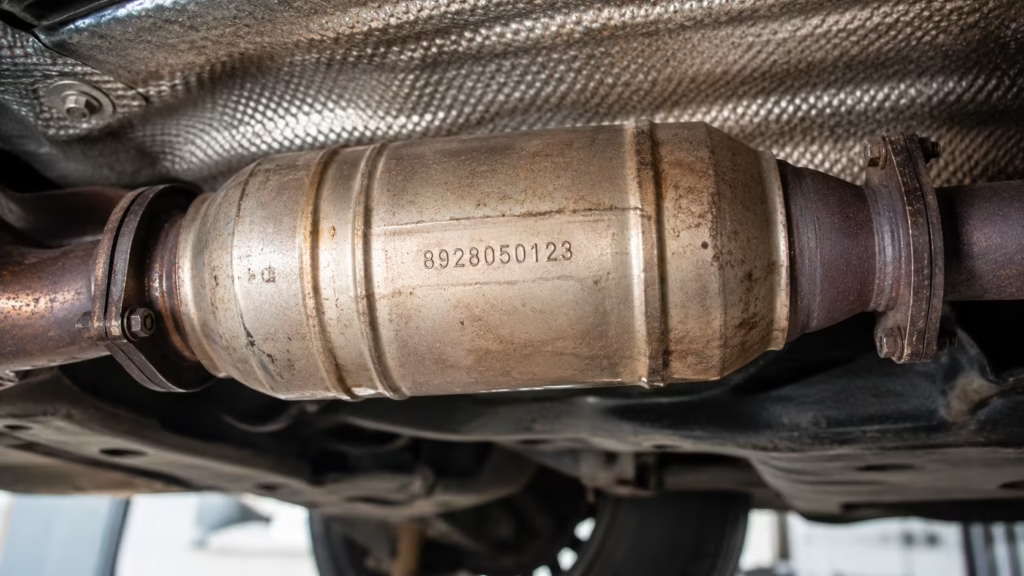
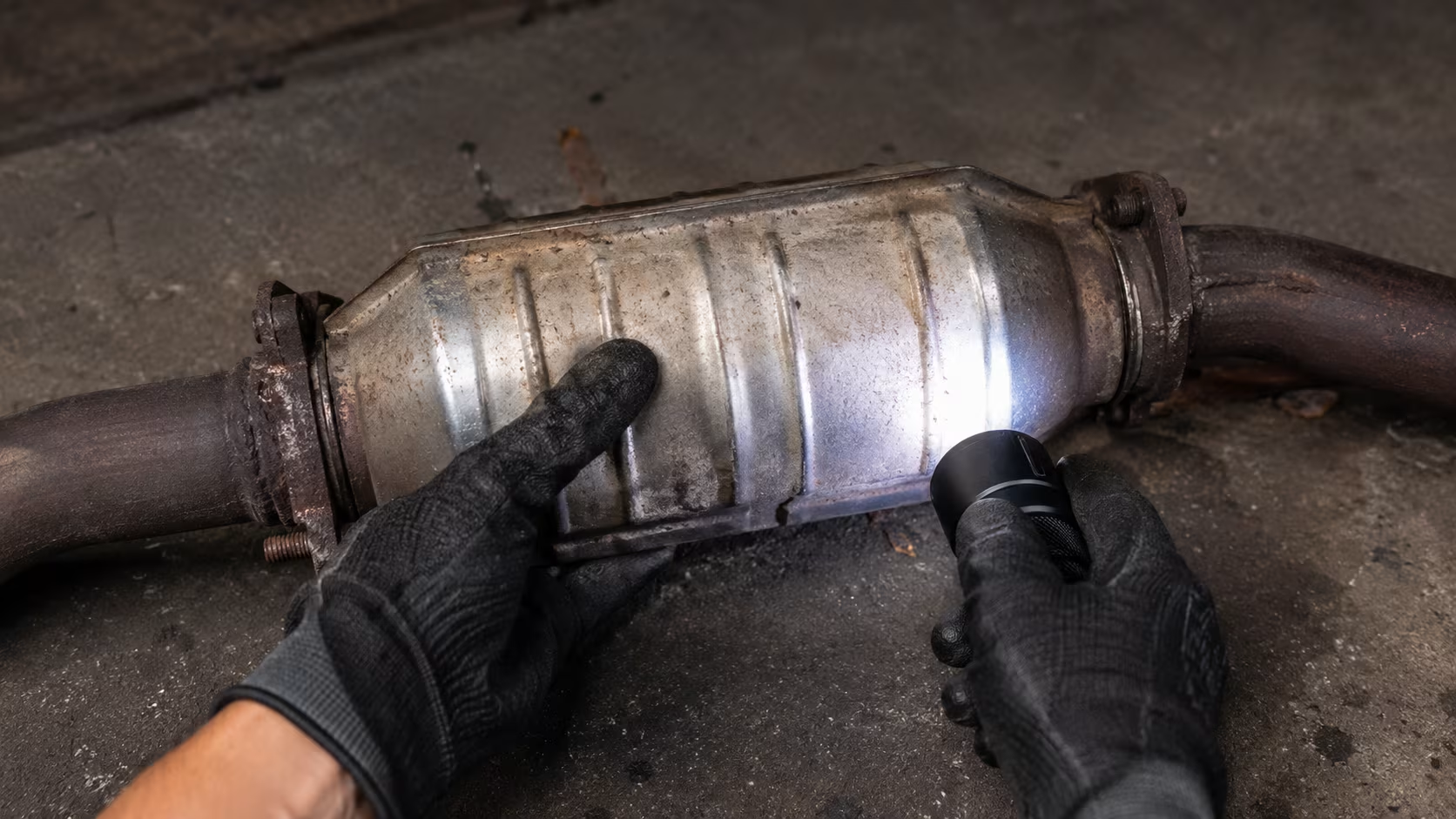
Most converters have a serial number stamped, etched, or printed directly onto the housing. Common locations include the outer shell, manufacturer labels, or welded identification plates.
When inspecting a converter, ensure the vehicle is safely supported and completely cooled. Use proper lighting to locate markings. Some converters may require light cleaning to reveal stamped numbers.
The exact converter identification number is often essential for obtaining an accurate free catalytic converter price lookup.
How to Check Catalytic Converter Scrap Price by Serial Number
The method itself is rather basic.
First find the serial number on the converter casing. Then, plug the code into a reliable converter database or price software. Compare the data from numerous sources, because individual purchasers could use different appraisal methodologies.
Review the database findings, then check the current scrap metal prices for platinum, palladium and rhodium. These market changes can impact the ultimate catalytic converter scrap price supplied by recyclers, and the total catalytic converter price customers are ready to pay.
Finally, contact several local buyers, converter processors or a converter recycling center. Comparing bids can help you verify you’re getting a fair compensation based on current market worth.
In my experience, serial number searches are where a lot of merchants make or lose money. I’ve seen car owners take the first offer they get only to realize their converter was worth several hundred dollars more. Values will vary widely since demand, grade and metal composition will be different for each model. One of the most critical tasks before selling is a basic conversion code check that typically provides information purchasers need to help evaluate cost.
Best Free Catalytic Converter Price Lookup Tools
There are a lot of free programs to assist estimate catalytic converter worth based on serial numbers and get a more precise catalytic converter price estimate before selling.
Eco Cat offers searchable converter references and projected recycling values. It’s easy to use, however price data may not necessarily represent local market realities.
Converter Database gives you lots of information on how to identify converters. It is good for matching serial numbers, however it may not deliver accurate purchase offers.
DRAC is widely utilized for converter grading and identification in the recycling business. Though access to precise pricing data may differ.
Catalytic Price is a tool that lets users lookup catalytic converter serial numbers and compare estimated prices. As with other databases, it should be utilized with current market research.
Scrap Catalytic Converters Price List by Vehicle
When checking a junk catalytic converters pricing list by car, some brands are always at the top of the list.
Toyota and Lexus converters are usually worth more because of their metal loading and OEM build. Honda converters do well in the recycling markets, too.
Ford and Chevrolet conversions can vary substantially based on engine type, year of manufacture and emissions standards. BMW converters typically provide good rewards to recyclers since many premium cars have a greater proportion of recyclable precious metals.
It is also because of this variety that the catalytic converter price can vary drastically from car to vehicle, even when the two vehicles seem the same on the outside.
What Affects Catalytic Converter Scrap Price the Most?
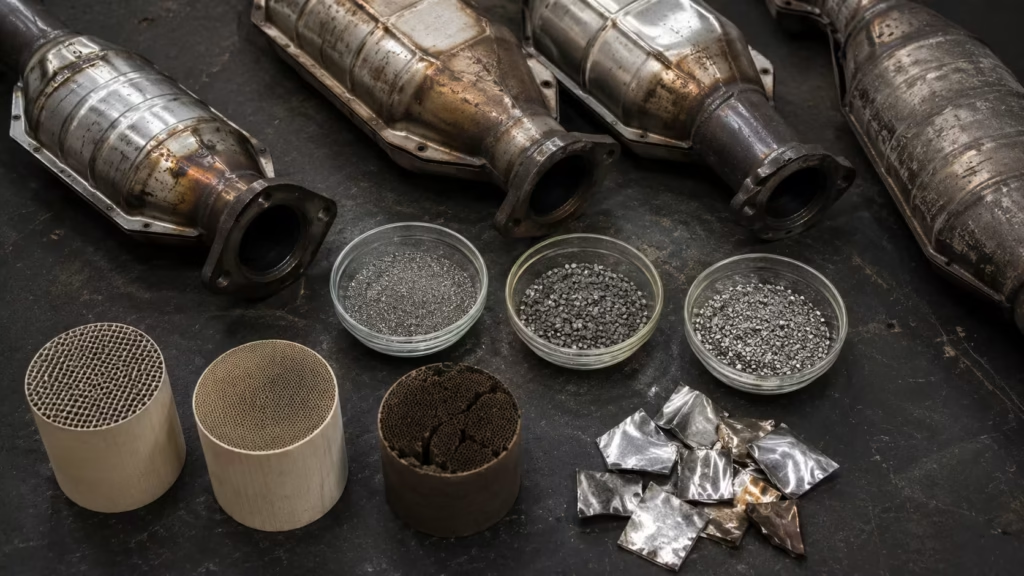
Several variables directly influence catalytic converter scrap pricing.
OEM converters are usually better than aftermarket devices. The most critical factor is still the metal content, followed by the size of the converter and the general condition. These considerations play a huge part in deciding the catalytic converter price that recyclers and purchasers are ready to provide.
For best recycling value, the interior ceramic substrate should be left intact. Your final offer depends on the vehicle make and model, current scrap yard value, recycler demand and precious metal markets. These variables might cause the price of catalytic converter to go up or down a lot.
Occasionally, a professional converter assay will be conducted to evaluate recoverable metal content before deciding a recycling payout.
Common Mistakes That Reduce Catalytic Converter Value
Many vendors omit fundamental research, not understanding they are hurting their returns.
One of the worst blunders is not checking serial numbers. Taking the first offer you get, using old pricing information, and not paying attention to what is happening in the metal markets today can also cut into your earnings and result in a lower catalytic converter price than what the converter is truly worth.
Another prevalent concern is not shopping around among several purchasers. Many times various recyclers will pay widely varying prices for the same converter. Failing to search the catalytic converter database might mean leaving a lot of money on the table.
How Much Is the Catalytic Converter Price Really Worth Today?
Typical market ranges include:
| Converter Type | Typical Range |
| Small Domestic | $50–$150 |
| Mid-Grade Domestic | $150–$350 |
| High-Grade Domestic | $300–$700 |
| Foreign Converter | $300–$1,200 |
| Luxury Vehicle Converter | $500–$2,000+ |
Prices fluctuate daily based on precious metal markets and recycler demand.
Conclusion
One of the best things any car owner can do is to know the catalytic converter price before selling. Serial numbers are good for identification, price databases are useful for estimating worth and you’ll usually get more money if you compare offers. Whether calculating a used catalytic converter value, investigating an OEM catalytic converter price or assessing total converter recycling value, credible data always gets superior results.
I personally never propose selling a converter without checking the serial number and making a few offers. Converter values do vary periodically due to precious metal prices always moving. A little more study on the catalytic converter price may go a long way in ensuring you get a fair and educated settlement.