Dashboard systems display visual signals that reflect vehicle status through structured indicators. The triangle with exclamation point appears as a general warning within this system. It remains active when a monitored condition falls outside normal range. The symbol does not isolate a single fault. It reflects a linked response across subsystems.
The triangle with exclamation point appears with other dashboard symbols such as tire pressure or traction control indicators. These signals function via sensor inputs that are common. This alarm is a result of the interplay between the stability control, brakes, or electronic control unit systems. A question such as why does my dashboard have a triangle with an exclamation point? follows this pattern of action.
Instrument clusters use the triangle with exclamation point as a master warning indicator in many vehicle designs. This symbol operates uniquely among different models but keeps a constant signal value. The difference between the triangle warning light and the check engine light is an example of such. The triangle with exclamation point indicates a condition that supports other alerts within the dashboard system.
Why is there a Triangle With Exclamation Point On My Dashboard
The dashboard warning light appears when vehicle systems detect a condition outside standard limits. The triangle with exclamation point reflects a general alert rather than a single fault. The signal remains linked to multiple subsystems such as traction control, brake monitoring, or tire pressure. Sensor data moves through control units in a continuous cycle. The symbol activates when one or more values shift beyond expected range. The warning remains dependent on system interaction. It does not isolate the source.
- Low tire pressure reflects a deviation in wheel sensor readings
- Traction control system behaves differently during reduced grip conditions
- Brake system indicators appear when fluid levels or pad wear changes
- Stability control signals reflect variation in wheel speed data
- Electronic control units detect irregular input from connected sensors
Is It Safe To Drive With Triangle Warning Light On
Vehicle operation continues in certain conditions when the triangle with exclamation point remains active on the dashboard. The symbol reflects a general system alert rather than a direct mechanical failure. The driving state depends on the underlying cause. Some conditions involve minor sensor variation. Others reflect changes in braking response or traction behavior. The warning light remains active until system conditions return to expected range or the source is identified.
What To Do When Triangle Warning Light Appears
The dashboard warning light appears when system signals move outside normal operating range. The triangle with exclamation point reflects a general alert linked to multiple vehicle systems. The response begins with observation of related indicators within the instrument cluster. Each system behaves based on its own sensor input. The symbol remains active until the underlying condition stabilizes or resets.
Step By Step Guide
- Observe the instrument cluster for additional warning lights
- Check tire pressure indicators for deviation patterns
- Review traction control or stability control signals
- Monitor brake system indicators for fluid level changes
- Reduce vehicle speed if handling behavior shifts
- Stop the vehicle when multiple warnings appear together
- Inspect external tire condition and surface contact
- Restart the vehicle to observe signal persistence
- Refer to vehicle manual for symbol-specific behavior
- Proceed with system inspection if the signal remains active
Understanding Car Dashboard Warning Symbols Triangle
Dashboard warning systems operate through a structured set of visual indicators that reflect vehicle status. The triangle with exclamation point appears as a general warning within this system. It remains active when one or more monitored conditions move outside expected limits. The signal does not isolate a single fault. It reflects a broader system response.
The triangle with exclamation point behaves as a linking indicator across multiple subsystems. It appears with other dashboard symbols such as tire pressure or traction control alerts. These signals operate through shared sensor inputs and control units. The symbol remains dependent on system interaction rather than a single component state.
Signal Behavior
- Appears as a general dashboard warning light
- Reflects combined system conditions
- Remains active with supporting warning indicators
System Interaction
- Traction control system reflects wheel movement variation
- Brake system indicators reflect fluid or pad changes
- Tire pressure system reflects air level deviation
Indicator Function
- Operates as a master warning signal
- Moves in response to sensor data changes
- Remains linked to electronic control units
What Causes Triangle Warning Light In Car
The triangle with exclamation point appears when system inputs move outside defined operating thresholds. The signal reflects interaction between sensors and control modules. The condition may relate to tire pressure, braking systems, or stability control. The warning remains active until the detected variation stabilizes or resets.
Tire Pressure Conditions
- Low pressure reflects imbalance in wheel sensor readings
- Uneven inflation moves sensor data outside expected range
Traction Control Variation
- Wheel speed differences reflect reduced surface grip
- System behavior changes during uneven road conditions
Brake System Changes
- Fluid level variation reflects reservoir imbalance
- Pad wear reflects mechanical reduction in contact surface
Electronic Sensor Input
- Irregular signals reflect communication variation between units
- Control modules detect inconsistent data patterns
Triangle Warning Light Vs Check Engine Light Difference
Dashboard indicators operate through separate diagnostic layers within the vehicle system. The triangle with exclamation point appears as a general warning that reflects combined system conditions. The check engine light reflects engine or emission-related faults detected through onboard diagnostics. The triangle symbol remains dependent on supporting alerts from subsystems. The check engine light remains tied to engine performance data. Both signals appear on the dashboard. Their operational scope differs.
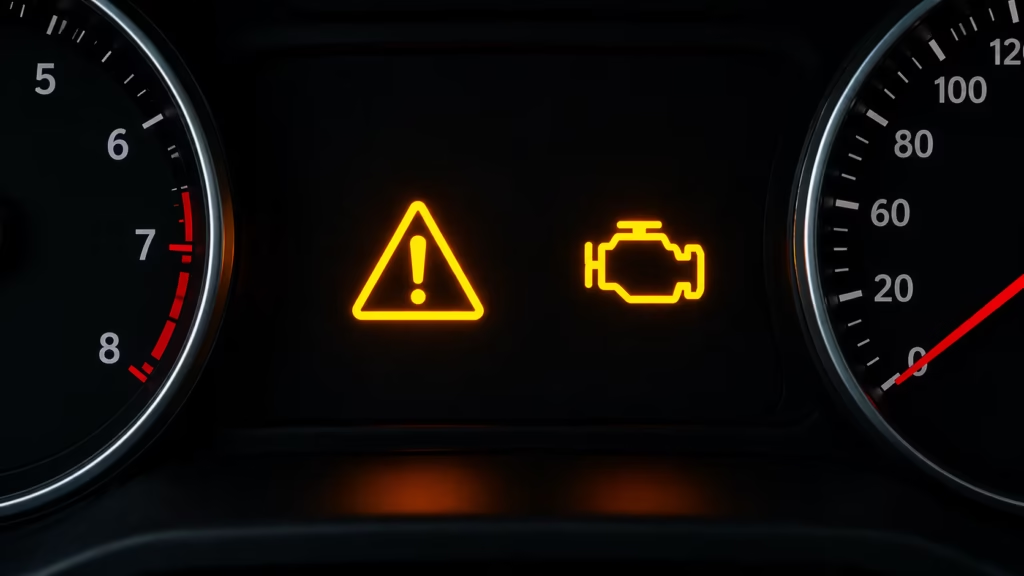
The triangle with exclamation point behaves as a linking indicator across systems such as traction control or braking. The check engine light operates through engine control modules that monitor combustion, airflow, and emission values. The triangle signal reflects broader interaction. The check engine light reflects specific engine-related variation.
| Aspect | Triangle Warning Light | Check Engine Light |
| System scope | reflects multiple subsystems | reflects engine and emission system |
| Signal behavior | appears with other warnings | appears as a standalone diagnostic signal |
| Data source | moves through shared control units | moves through engine control module |
| Function | operates as general alert | operates as engine-specific indicator |
| Dependency | remains linked to other signals | remains focused on engine data |
Master Warning Light Vs Specific Warning Lights
Dashboard systems use layered signaling to represent vehicle conditions through different levels of detail. The triangle with exclamation point operates as a master warning light in many vehicle designs. It reflects a general condition that connects to multiple subsystems. Specific warning lights reflect isolated system behavior such as tire pressure, braking, or traction control. The master warning light remains dependent on these signals. It does not function independently.
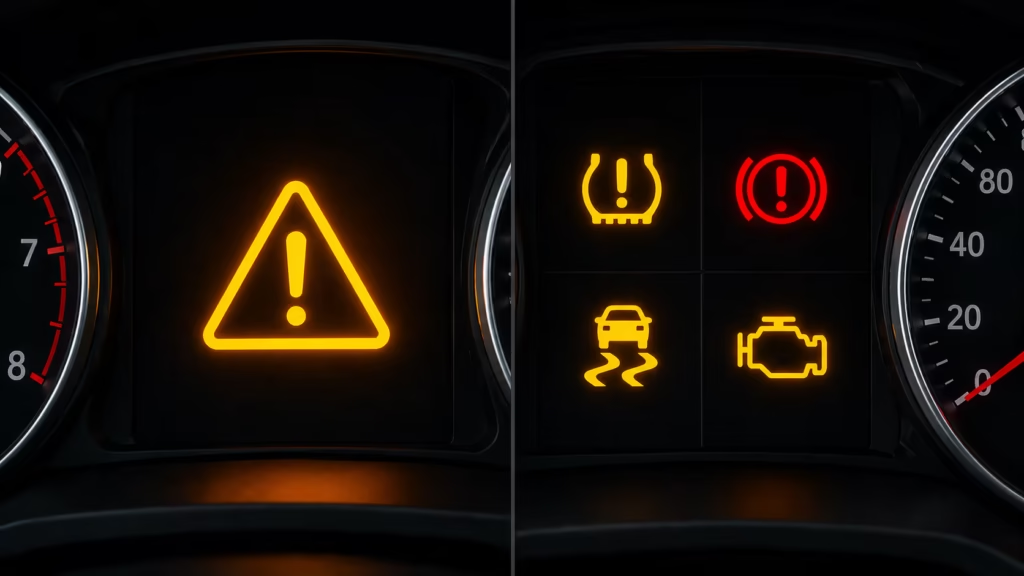
Specific warning lights behave as direct indicators of single system variation. Each light reflects a defined operational parameter. The triangle with exclamation point reflects a combined state across systems. The signal appears when one or more subsystems report irregular data. The structure remains hierarchical.
| Aspect | Master Warning Light | Specific Warning Lights |
| Scope | reflects multiple system states | reflects single system condition |
| Behavior | appears with other indicators | appears independently |
| Function | operates as general alert | operates as targeted signal |
| Data flow | moves across control units | moves within individual systems |
| Dependency | remains linked to subsystem alerts | remains self-contained |
Triangle Symbol Vs TPMS Warning Light
Vehicle systems display different symbols to represent general and specific conditions within the dashboard interface. The triangle with exclamation point appears as a general warning that reflects interaction between multiple subsystems. The tire pressure monitoring system warning light reflects a specific condition related to air pressure in tires. The triangle symbol remains broad in scope. The tire pressure symbol remains focused on one parameter.
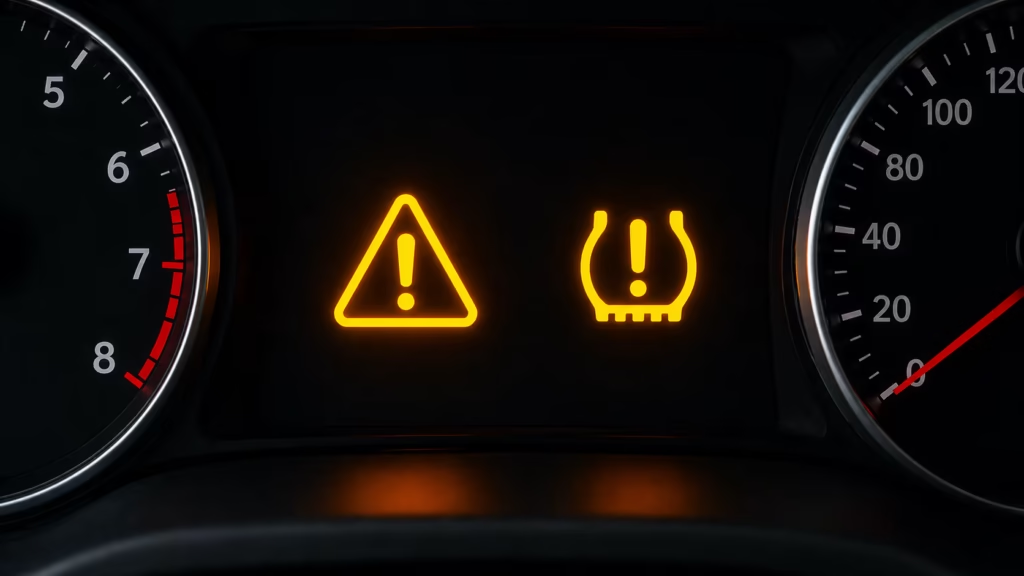
The triangle with exclamation point behaves as a master-level indicator within the dashboard system. It reflects combined sensor input from subsystems such as stability control or braking. The signal remains dependent on shared data flow across control units. The tire pressure monitoring system light behaves as a direct indicator of tire pressure variation. It reflects a single parameter linked to wheel sensors. The triangle warning light may appear with the tire pressure symbol when th
| Aspect | Triangle Symbol | Tire Pressure Monitoring System Light |
| Scope | reflects multiple systems | reflects tire pressure condition |
| Behavior | appears with other warnings | appears as a specific alert |
| Function | operates as general indicator | operates as targeted tire signal |
| Data source | moves through combined sensor input | moves through tire pressure sensors |
| Dependency | remains linked to other alerts | remains focused on tire data |
Yellow Triangle With Exclamation Point Vs Red Triangle Meaning
Dashboard indicators use color to reflect the severity level of system conditions. The triangle with exclamation point appears in different colors based on how the system interprets the input data. A yellow triangle reflects a moderate condition within one or more subsystems. The signal remains active when sensor values move outside standard range. The condition often relates to tire pressure, traction control, or minor system variation. The vehicle continues to operate while the system monitors changes.
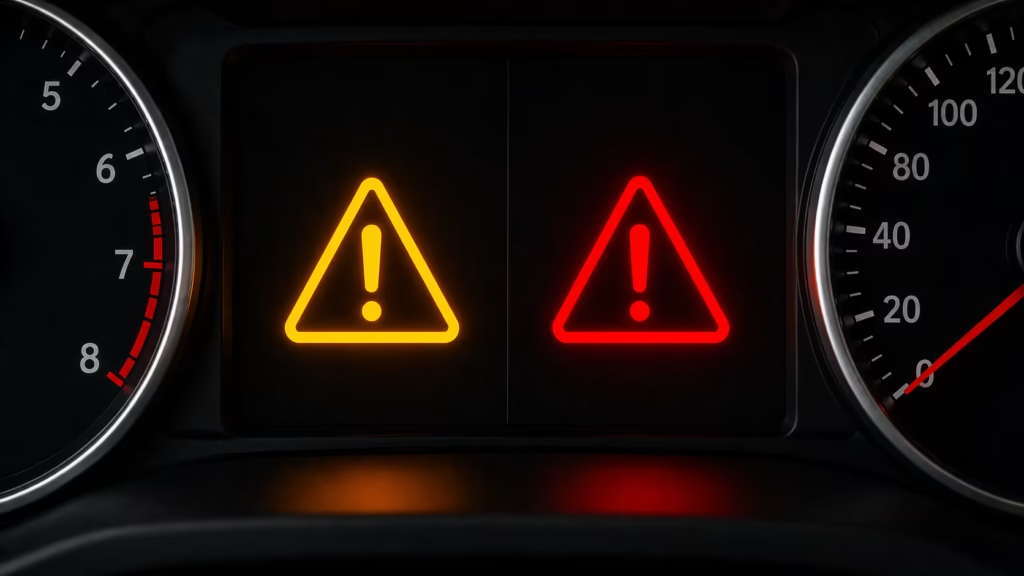
A red triangle with exclamation point reflects a higher-level condition within the same warning structure. The signal appears when system data indicates a more critical variation. The condition may involve braking systems, engine behavior, or safety-related components. The warning remains active until the system state stabilizes. The color difference reflects severity rather than function. Both symbols operate within the same dashboard logic. The distinction remains based on system response level.
| Aspect | Yellow Triangle | Red Triangle |
| Severity level | reflects moderate system condition | reflects higher system condition |
| System behavior | remains linked to minor variation | remains linked to critical variation |
| Signal persistence | appears during ongoing deviation | appears during sustained irregular state |
| Operational scope | reflects general subsystem activity | reflects elevated system response |
| Function | operates as caution-level indicator | operates as high-level warning indicator |
FAQs
What Does a triangle With an exclamation point on the dashboard Indicate?
The sign appears as a general dashboard warning light. It reflects system-level variation across multiple subsystems. The signal remains linked to sensor input from traction control, braking, or tire pressure systems. The symbol does not isolate a single condition.
Why does a triangle With exclamation points appearing with other symbols?
The specific sign behaves as a linking indicator within the dashboard system. It appears with symbols such as tire pressure or stability control alerts. These signals operate through shared control units. The interaction reflects combined system behavior.
Can a triangle with an exclamation point reset automatically?
The warning light may reset when system values return to expected range. This sign remains active while variation continues. The signal disappears when sensor input stabilizes. The reset depends on system response.
What systems connect to the triangle warning light?
The triangle with exclamation point reflects interaction between multiple vehicle systems. These include traction control, brake monitoring, and tire pressure systems. Each system contributes sensor data to the control unit. The signal remains dependent on combined input.
Does the triangle warning light indicate a specific fault?
The triangle warning light reflects a general condition within the dashboard system. It operates as a master warning indicator. The symbol remains linked to other alerts rather than identifying a single fault.
Conclusion
Dashboard warning systems operate through layered signals that reflect vehicle conditions across multiple subsystems. The triangle with exclamation point functions as a general indicator within this structure. It appears when system inputs move outside defined operating limits. The signal remains linked to sensor data from braking, traction control, or tire pressure systems.
The warning does not isolate a single fault. It reflects interaction between control units. The symbol remains active until system values stabilize. The behavior follows a consistent pattern across vehicle designs. The structure remains dependent on coordinated system response.