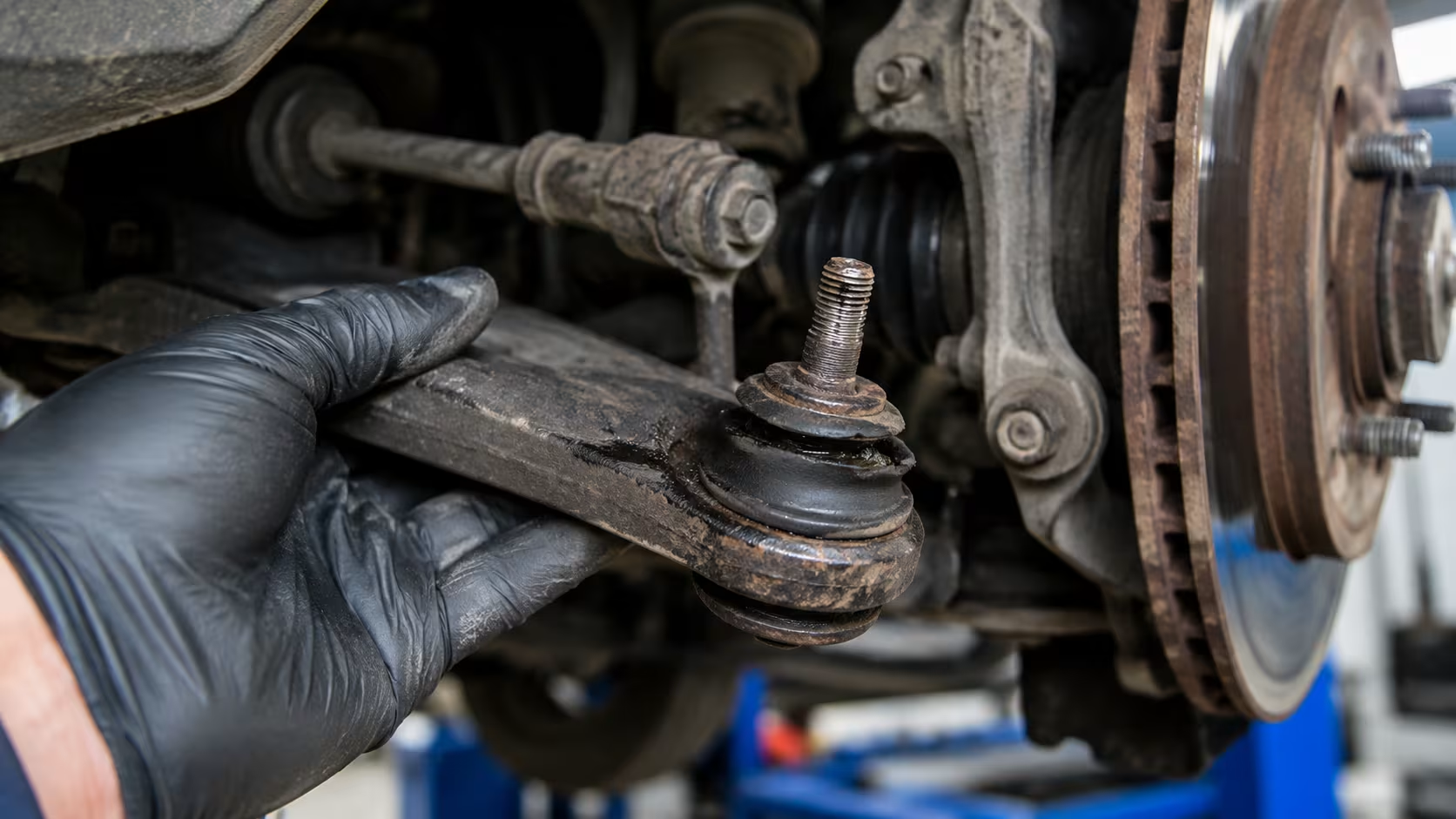
A rough idle, random engine hesitation, poor fuel economy, or a flashing check engine light can quickly turn a normal commute into a stressful drive. In many cases, worn spark plugs are the hidden culprit behind these problems. Once drivers hear the words “ignition misfire” or “tune-up service,” the next question is almost always about the real spark plug replacement cost and whether the job is worth doing at home.
The fact is, spark plug replacement can be one of the most straightforward DIY maintenance jobs on a vehicle or one of the most frustrating repair experiences, depending on the engine design. Many drivers believe spark plug replacement is always expensive but in my experience on simpler cars it is one of the most beginner-friendly DIY maintenance jobs around.
Some cars are a simple plug-in within 30 minutes, some require a major disassembly, pushing mechanic labor costs surprisingly high.
This is precisely why many drivers consider the expense of hiring a mechanic and attempting to replace the spark plugs by themselves. In some cases, you can save hundreds of dollars by changing the plugs at home. Sometimes the cost of professional service can actually help you avoid more costly engine damage down the road.
In this guide we’ll break down realistic US repair prices, labor costs, plug wire replacement costs, tools needed, common mistakes and the real-world pros and cons of DIY spark plug replacement.
READ MORE: Do You Need to Insure a Car Before Registering It? Everything You Need to Know
What Is the Average Spark Plug Replacement Cost?
The average spark plug replacement cost in the US usually falls between $150 and $450, but the final bill depends heavily on the vehicle, engine layout, labor rates, and spark plug type.
Changing spark plugs on a basic 4-cylinder sedan is usually a simple task, as the plugs are easily accessible on top of the engine. In such a case, labor costs are relatively low, and many independent repair shops can complete the service quickly.
But turbocharged engines, transverse-mounted V6s and luxury cars make things dramatically different, where access is at a premium. In some engines you have to remove the intake manifold to get to the rear spark plugs, and that can double the labor time.
Here’s a realistic pricing breakdown many US drivers encounter:
| Vehicle Type | Parts Cost | Labor Cost | Typical Total |
| Economy 4-cylinder car | $40–$90 | $80–$150 | $120–$240 |
| Mid-size V6 SUV | $70–$150 | $150–$300 | $220–$450 |
| V8 truck or muscle car | $100–$250 | $250–$500 | $350–$750 |
| Luxury or turbocharged vehicle | $150–$350 | $300–$700 | $450–$1,000+ |
I have found that labor charges are usually the biggest surprise to drivers. The plugs themselves are cheap but the access to the engine is what really sends the final bill sky high.
The cost of the spark plug material is also a part of the overall price to replace it. Copper plugs are less expensive but wear out faster. Platinum spark plugs are more expensive but tend to last longer. Iridium spark plugs are now found on most modern cars because they last longer and improve engine performance .
For example, replacing spark plugs on a Toyota Corolla may cost around $180 to $250 at a local repair shop. Meanwhile, a turbocharged Ford F-150 EcoBoost or certain BMW models can exceed $600 to $900 once labor and premium plugs are included.
Dealership pricing is usually even higher because hourly labor rates in large cities can exceed $200 per hour.
Why Spark Plug Labor Costs Vary So Much
Many drivers are surprised to learn that labor costs sometimes exceed the cost of the spark plugs themselves. The reason is almost entirely down to engine accessibility.
The inline four-cylinder engine is generally easy to service since the spark plugs are visible when the engine cover is removed. On the other hand, V6s mounted sideways in SUVs or crossovers tend to hide half the plugs against the firewall. Mechanics may have to remove the intake components, brackets, vacuum lines and ignition coils to reach them.
Turbocharged engines add even more complexity because of tighter packaging and heat shielding. This is why the same spark plug service that costs $180 on one vehicle might cost $700 on another.
Labor costs are also influenced by regional mechanic labor rates. Independent repair shops usually charge between $90 and $140 per hour, while dealerships often range from $150 to $220 per hour.
Cost to Replace Plugs and Wires
Older vehicles using traditional ignition wires often require both the plugs and wires to be replaced together. In these cases, the cost to replace plugs and wires usually ranges from $250 to $600.
The simple looking spark plug wires would not be the same without ignition system maintenance. Wires that are cracked or worn can cause misfires, poor acceleration, rough idle problems and hard starts in the engine.
Here’s what drivers typically pay in the US:
| Service Type | Average Cost |
| Spark plug wire replacement only | $80–$250 |
| 4-cylinder plugs and wires | $200–$350 |
| V6 plugs and wires | $300–$500 |
| V8 plugs and wires | $400–$700 |
Because there is a lot of overlap in labor, many mechanics recommend replacing both parts at the same time. If the wires are already heat damaged, cracked or oil contaminated, simply putting new plugs on may not fully solve the problem.
In newer cars, plug wires are often eliminated altogether and replaced with individual ignition coil packs. The cost to replace a failed coil pack varies from vehicle to vehicle, ranging from $120 to $400 per coil.
DIY Spark Plug Replacement vs Paying a Mechanic
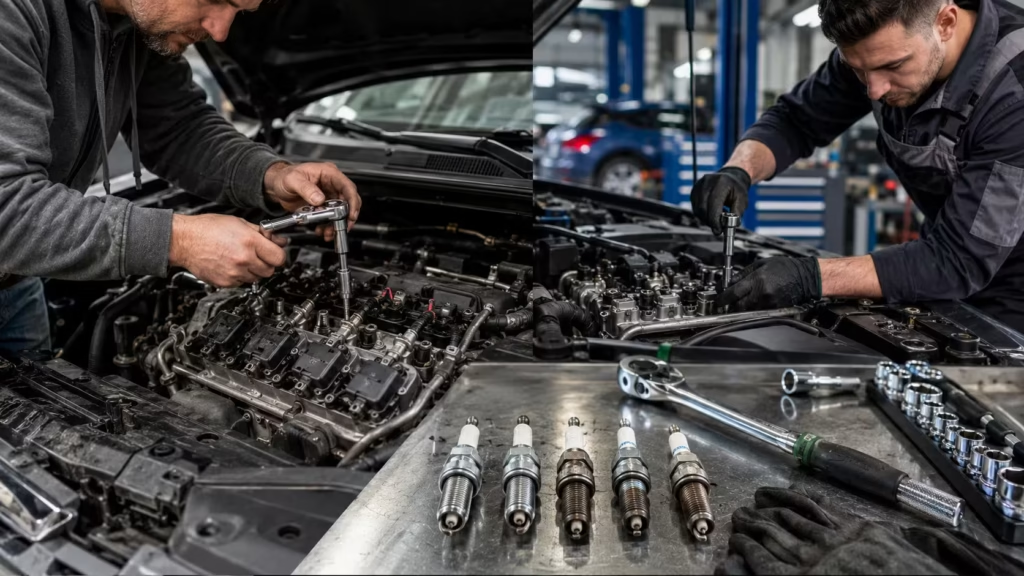
For many car owners, this is the point where DIY savings start looking very tempting.
A DIY spark plug replacement can dramatically reduce maintenance costs, especially for drivers with simple naturally aspirated engines. In many cases, the actual spark plugs only cost $40 to $120, so the bulk of the repair bill is in the labor.
For basic cars like a Honda Civic, Toyota Corolla or Mazda3, it’s often possible to change the spark plugs at home even for a first-time DIYer. Many owners can do the job in less than two hours with just a basic set of ratchet, a torque wrench and a spark plug socket.
A first-time DIY setup might include:
- Spark plug socket: $10–$20
- Torque wrench: $30–$80
- Ratchet extensions: $15–$30
- Gap tool: $5–$10
- Dielectric grease: $5–$10
Even after buying tools, many drivers still pay less than a professional mechanic would charge for labor alone.
But a DIY replacement isn’t always the smarter move.
Some engines are very difficult to service and one small mistake can quickly become costly. Cross threading a spark plug in an aluminum cylinder head can cost you more than $1,000 to get the threads repaired. Cracking due to over-tightening plugs; New engine performance problems due to incorrect spark plug gaps.
That’s why professional mechanics still make sense for:
- Turbocharged vehicles
- Luxury cars
- Tight engine bays
- Complex V6 engines
- Drivers with limited repair experience
Getting to the rear bank of spark plugs on many modern SUVs is so frustrating that it’s worth the convenience of paying a mechanic.
Tools Needed for DIY Spark Plug Replacement
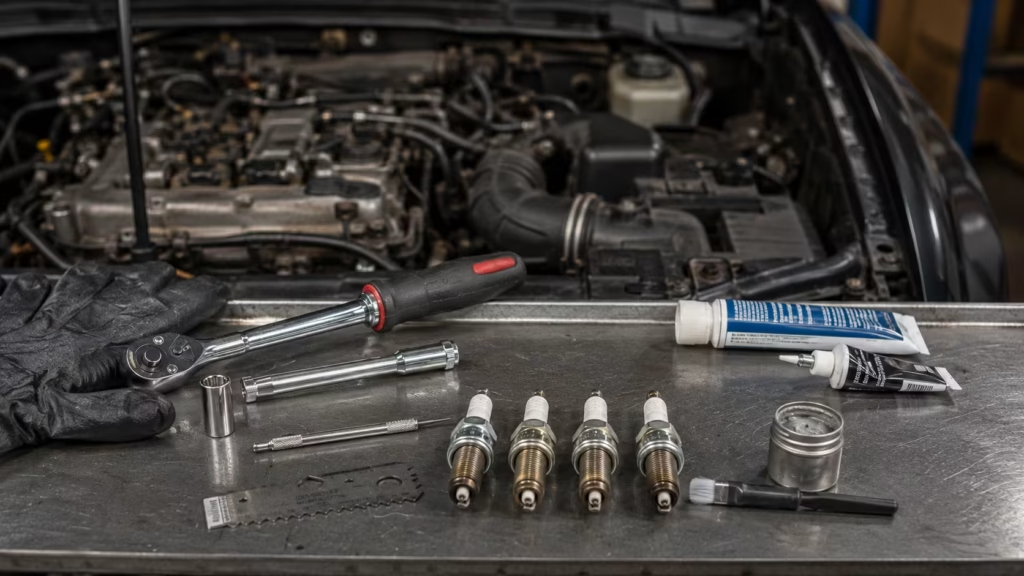
The good news is, you don’t need professional shop equipment to replace a spark plug. Most DIYers can do the job with inexpensive automotive tools.
The most important tool is a proper spark plug socket, which includes a rubber insert that protects the plug during installation and removal. A standard socket may not safely hold the spark plug.
A torque wrench is just as important, as modern engines require precise spark plug torque specs. You can get burned guessing by feel, especially aluminum heads.
Most DIY mechanics also use:
- Ratchet extensions for deep plug wells
- A spark plug gap tool
- Dielectric grease for ignition boots
- Anti-seize compound when recommended by the manufacturer
Many modern plugs come pre-gapped, but experienced DIYers still check the gap before installation to avoid engine hesitation or rough idle problems later.
Signs Your Spark Plugs Need Replacement
Most drivers will overlook early symptoms of a bad spark plug until they notice a significant drop in performance. But waiting too long can decrease fuel efficiency and even damage other ignition system parts.
Common warning signs include:
- Rough idle
- Engine misfires
- Slow acceleration
- Hard starting
- Reduced fuel economy
- Check engine light
- Engine hesitation
- Weak throttle response
These symptoms tend to develop slowly and some drivers do not recognize the spark plugs are worn out immediately.
Most manufacturers suggest changing them somewhere between 30,000 and 100,000 miles, depending on the type of spark plug and the design of the engine.
Copper plugs wear out the fastest, while iridium spark plugs last much longer and are now standard on many newer vehicles.
Common DIY Mistakes to Avoid
DIY car repair can save you money but changing spark plugs still takes patience and attention to detail.
A common mistake beginners make is to overtighten the plugs. Too much torque and you can strip the threads in the cylinder head or break the spark plug.
Wrong spark plug gaps is another common problem. Even slight variations in the gap can influence engine performance and fuel economy.
Drivers should also avoid:
- Using the wrong spark plug heat range
- Installing plugs into dirty threads
- Forgetting dielectric grease on ignition boots
- Mixing up ignition wires or coil connections
- Skipping torque specifications entirely
DIY is generally safe when done carefully but rushing into it can lead to expensive repairs down the road. Most of the DIY issues I see with spark plugs are because people are just rushing through the install instead of taking a good look at plug gaps and torque specs.
Is DIY Spark Plug Replacement Worth It?
For many drivers, absolutely.
If your vehicle has easy spark plug access, DIY replacement can realistically save $150 to $400 every maintenance interval. Over the life of the vehicle, those savings become substantial.
DIY replacement is especially worthwhile on:
- Honda Civic
- Toyota Corolla
- Hyundai Elantra
- Mazda3
- Older pickup trucks
- Naturally aspirated 4-cylinder cars
When the engine layout gets complicated however, the savings quickly diminish compared to the time, frustration and potential risks involved.
I think DIY spark plug replacement makes the most sense when the vehicle is simple, the plugs are easy to reach and the owner is willing to work carefully. But for tight-fit turbo engines or complex luxury vehicles, professional service is often the smarter long-term decision.
Final Verdict
Ultimately, replacing it yourself or taking it in for professional service is a decision that depends on your vehicle, your tools and your confidence level.
If you have a beginner friendly engine and are okay with carefully following torque specs, doing a DIY spark plug replacement can save you a lot of money and help you better understand your vehicle.
But for difficult engine layouts, turbocharged cars, luxury models or drivers who just want the job done quickly and safely, professional mechanics are often worth the added cost.
Most importantly, understanding the true spark plug replacement cost helps you make smarter maintenance decisions and avoid unnecessary repair expenses. Replacing worn spark plugs on time improves fuel efficiency, protects engine performance, and prevents larger ignition system problems from developing later.