Automotive workshop tools form the base structure of vehicle maintenance systems. Automotive workshop tools operate across mechanical, electrical, and diagnostic tasks within cars and bikes. Each tool performs a defined role under load, pressure, or electrical flow.
The selection of automotive workshop tools reflects the type of service activity present in the workspace. Hand tools manage fasteners and small assemblies. Diagnostic tools read system behavior and fault conditions. Lifting tools support access to underbody components. Automotive workshop tools remain arranged for repeated use across repair cycles.
Tool movement stays localized during operation. Mechanical response appears consistent under controlled handling. The overall system reflects stability through structured tool application.
Why Are Workshop Tools Important?
The workshop tools create the functional structure of the process of repair of vehicles. Each tool is associated with the interaction with some part by means of the action of applied forces or motions. The mechanical tools work with fastening, joints, and assemblies in the processes of disassembly and assembly.
The electrical tools work with wire routes and electronic components. The actions of tools are constant. The motions occur in limited zones of operation. The loads are transferred in a stable manner via contact between the tool and component. The configuration of tools corresponds to the order of stages of the process of repair of a vehicle.
Main Categories of Workshop Tools
Workshop tools remain grouped by their functional role within repair activity. Each category reflects a specific type of mechanical or electrical interaction. Tool behavior varies with load, contact surface, and movement pattern. Classification supports consistent tool selection during different stages of vehicle service. The grouping remains stable across repeated operations.
Hand Tools
Hand tools operate through manual force. They handle fasteners, fittings, and small assemblies. Movement remains controlled within limited range.
Power Tools
Power tools operate through electrical or pneumatic input. They deliver higher force during cutting, drilling, or fastening. Motion appears continuous during use.
Diagnostic Tools
Diagnostic tools interact with vehicle systems through signal reading. They detect fault conditions and system response. Output appears in measured values.
Lifting Tools
Lifting tools support vehicle elevation during underbody access. Load transfer remains stable during static positioning. Movement occurs during initial lift phase.
Cutting and Shaping Tools
Cutting and shaping tools remove or modify material surfaces. Edge contact defines the action. Surface finish reflects tool motion.
35 Automotive Workshop Tools and Their Functions
Spanner Set
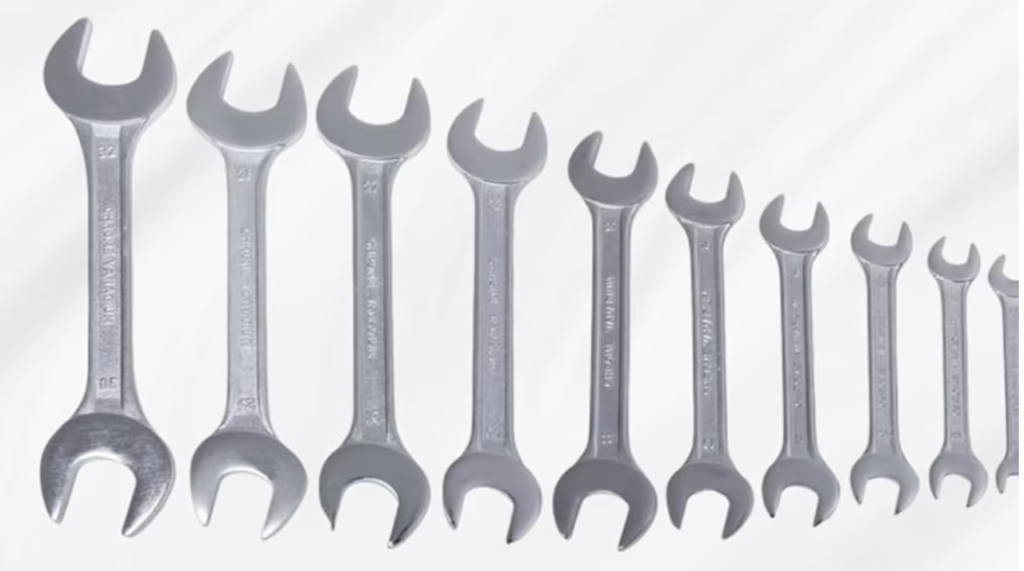
Spanner set workshop tools operate through direct contact with nuts and bolts. The grip remains fixed during rotation under applied force. Movement follows the fastener axis during tightening or loosening.
- Used for tightening nuts and bolts
- Used for loosening fixed fasteners
- Operates on engine and assembly components
Socket Wrench Set
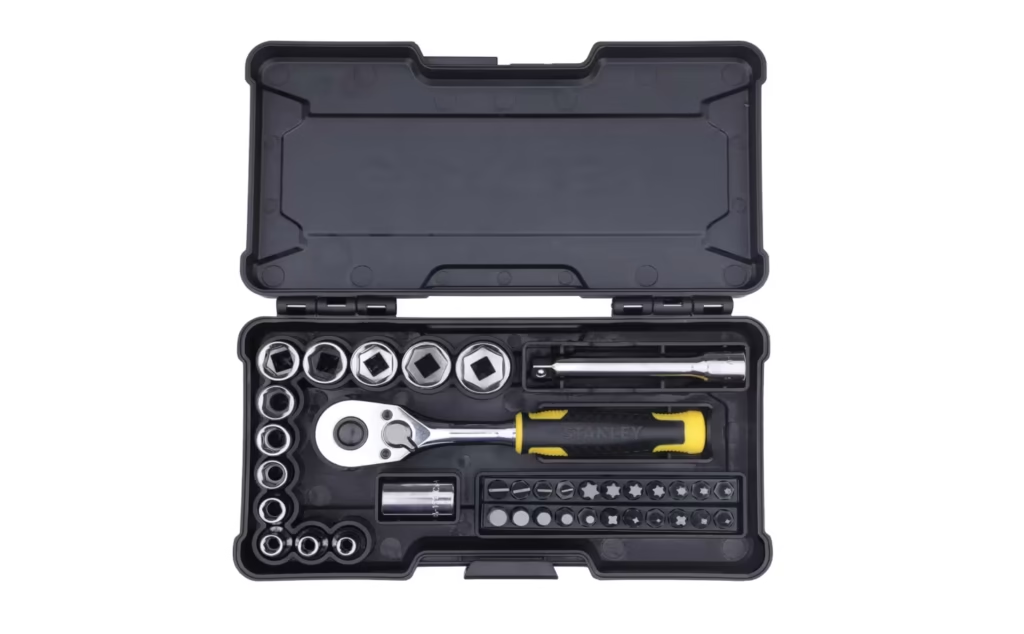
Image Source: amazon.in
Socket wrench set workshop tools engage fasteners within confined mechanical spaces. The socket encloses the bolt head and transfers torque through rotation. Movement remains controlled during repeated cycles.
- Used for removing bolts in tight areas
- Used for fast rotational movement
- Operates with interchangeable socket sizes
Torque Wrench
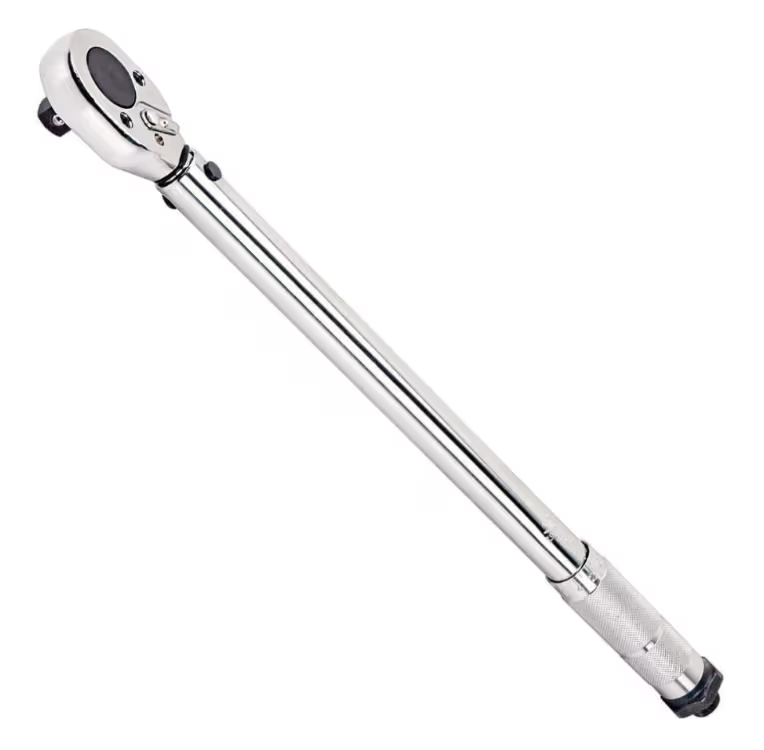
Torque wrench workshop tools apply controlled force to fasteners during assembly. The mechanism reflects a set torque limit during operation. Output remains consistent under calibrated settings.
- Used for applying precise torque
- Used on engine fasteners
- Used on wheel assemblies
Screwdriver Set
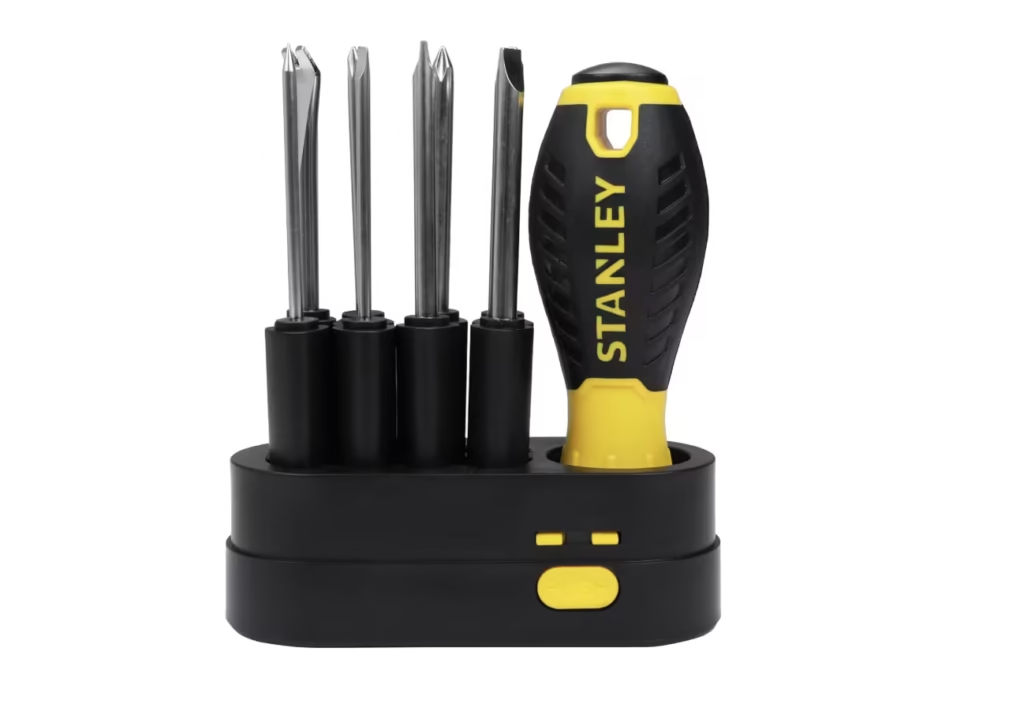
Image Source: amazon.in
Screwdriver set workshop tools engage screw heads through direct alignment. The shaft transfers rotational force into threaded components. Movement remains stable during insertion or removal.
- Used for tightening screws
- Used for loosening screws
- Operates on panels and fittings
Allen Key Set
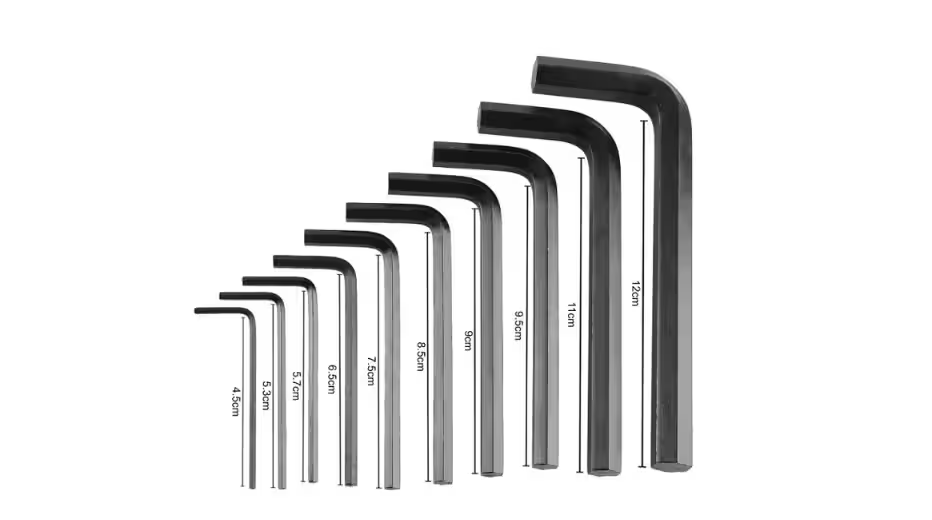
Allen key set workshop tools engage hexagonal sockets within fasteners. The tool fits into recessed heads and transfers torque through angular movement. Contact remains firm during operation.
- Used for hex bolts
- Used in bike assemblies
- Used in engine components
Pliers (Combination)
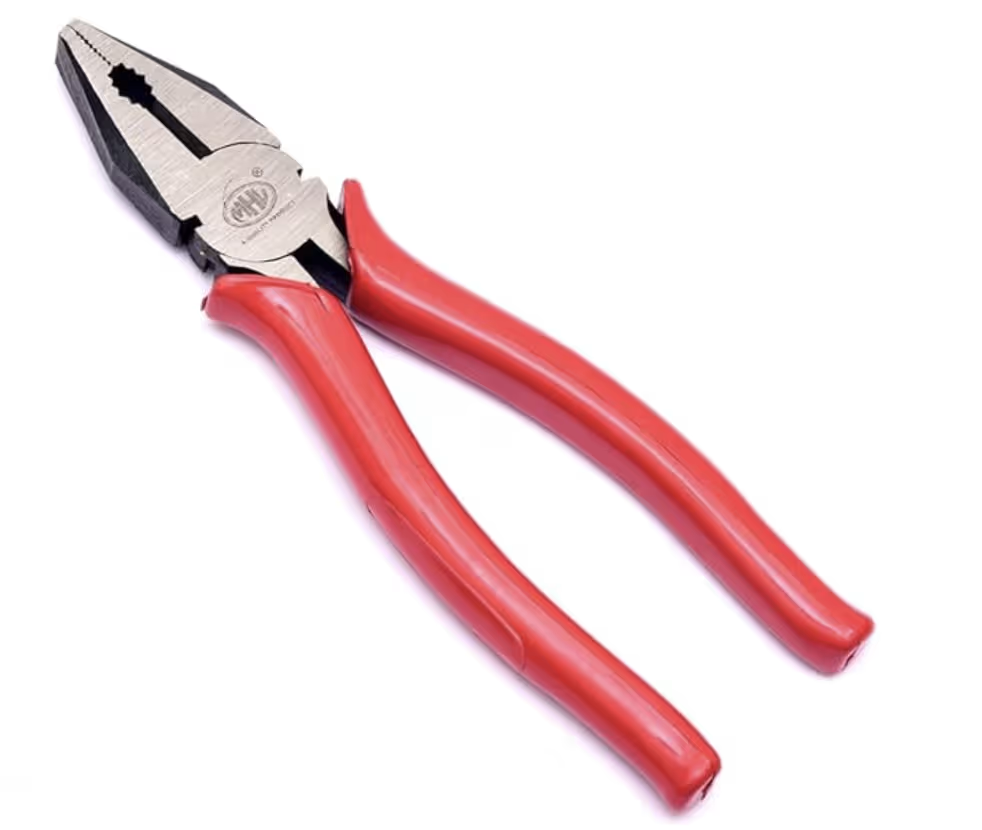
Image Source: amazon.in
Combination pliers workshop tools operate through gripping and cutting actions. The jaws apply pressure on wires and small components. Movement remains controlled during bending tasks.
- Used for gripping materials
- Used for bending wires
- Used for cutting small sections
Needle Nose Pliers
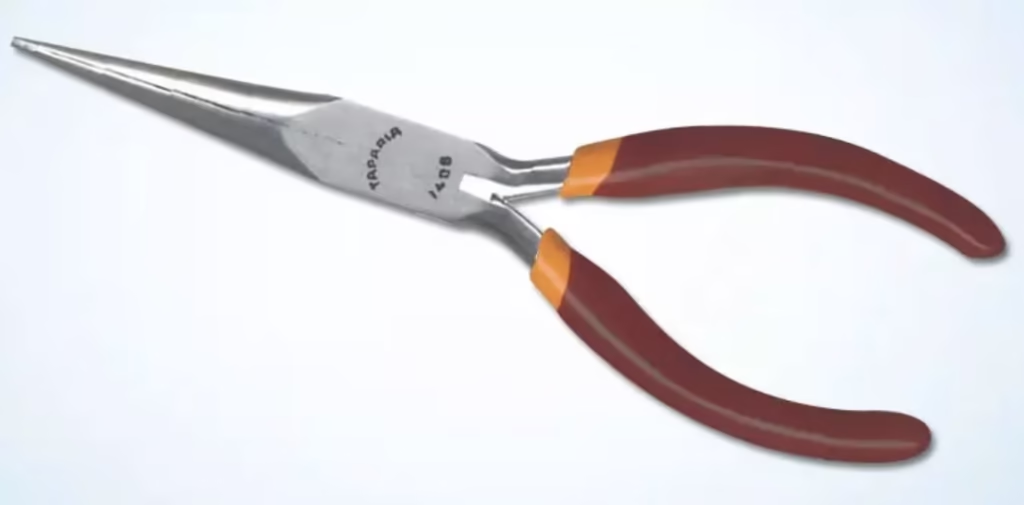
Needle nose pliers workshop tools function in narrow spaces with extended jaws. The tip reaches confined areas and holds small parts. Movement remains precise during handling.
- Used for small clips
- Used for fine wiring
- Used in tight spaces
Wire Cutter / Stripper
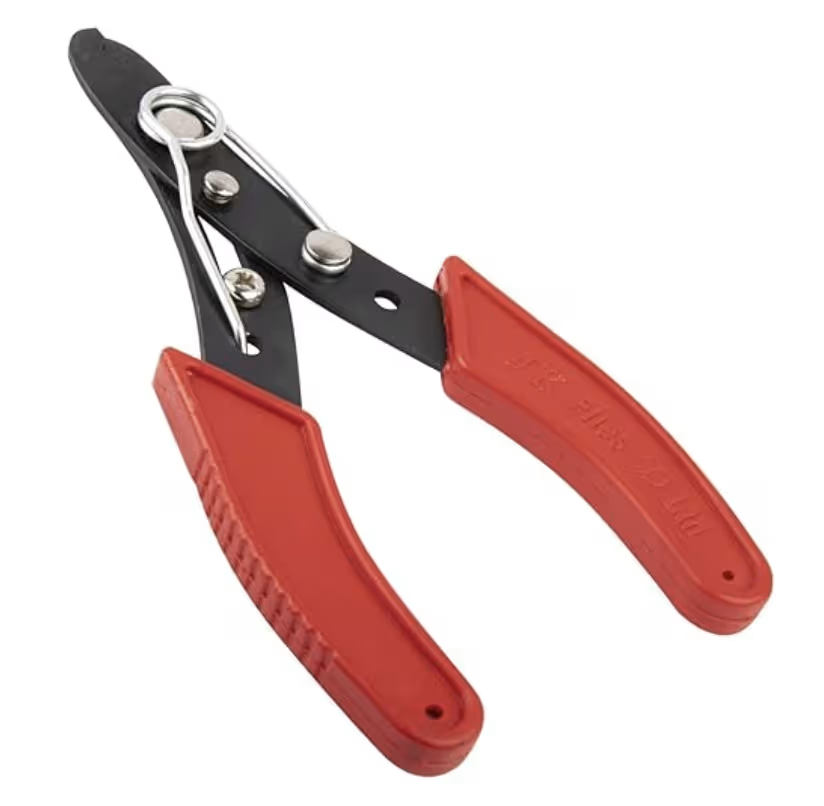
Wire cutter and stripper workshop tools interact with electrical wires through cutting edges. The tool removes insulation layers through controlled pressure. Contact remains localized during operation.
- Used for cutting wires
- Used for stripping insulation
- Used in electrical systems
Hammer (Ball Peen)
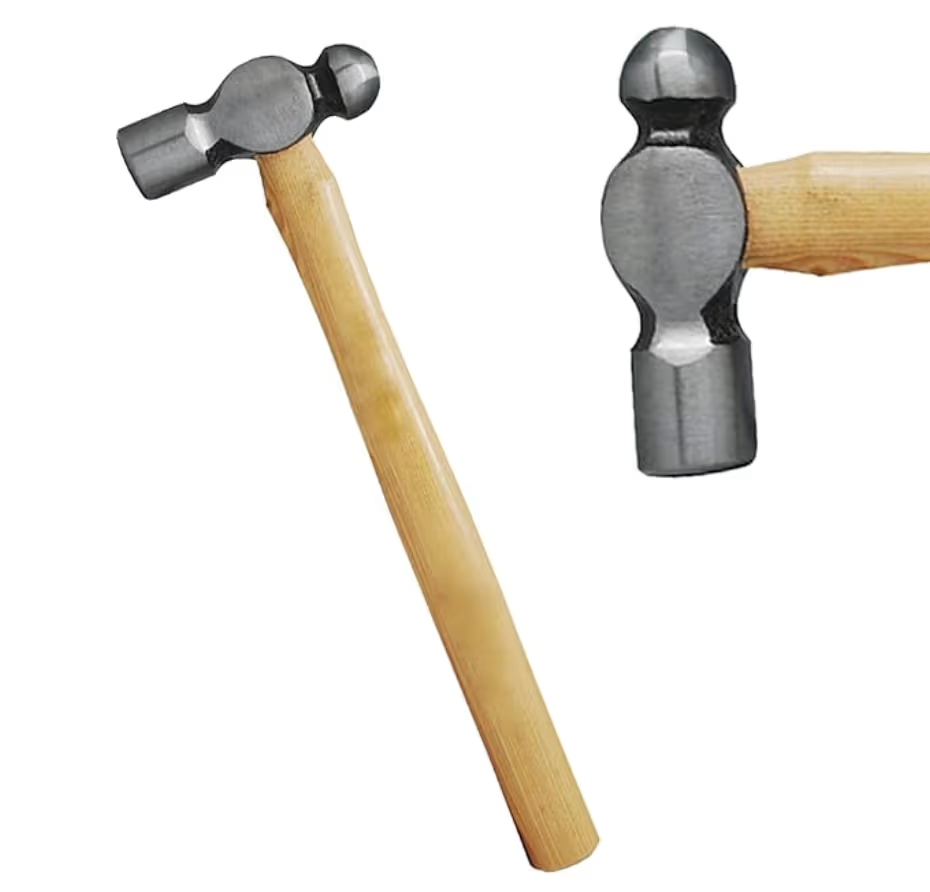
Ball peen hammer workshop tools deliver impact force onto metal surfaces. The head transfers energy through direct strikes. Response appears consistent during shaping tasks.
- Used for metal work
- Used for loosening stuck parts
- Used for shaping surfaces
Rubber Mallet
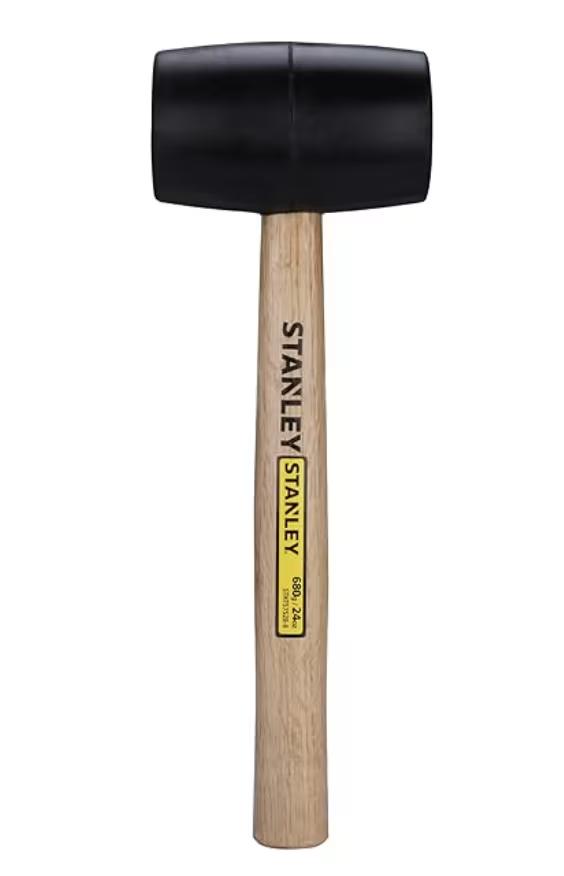
Rubber mallet workshop tools apply impact without surface damage. The head absorbs part of the force during contact. Movement remains controlled during repeated strikes.
- Used for non-damaging impact
- Used on sensitive components
- Used during assembly tasks
Hydraulic Jack
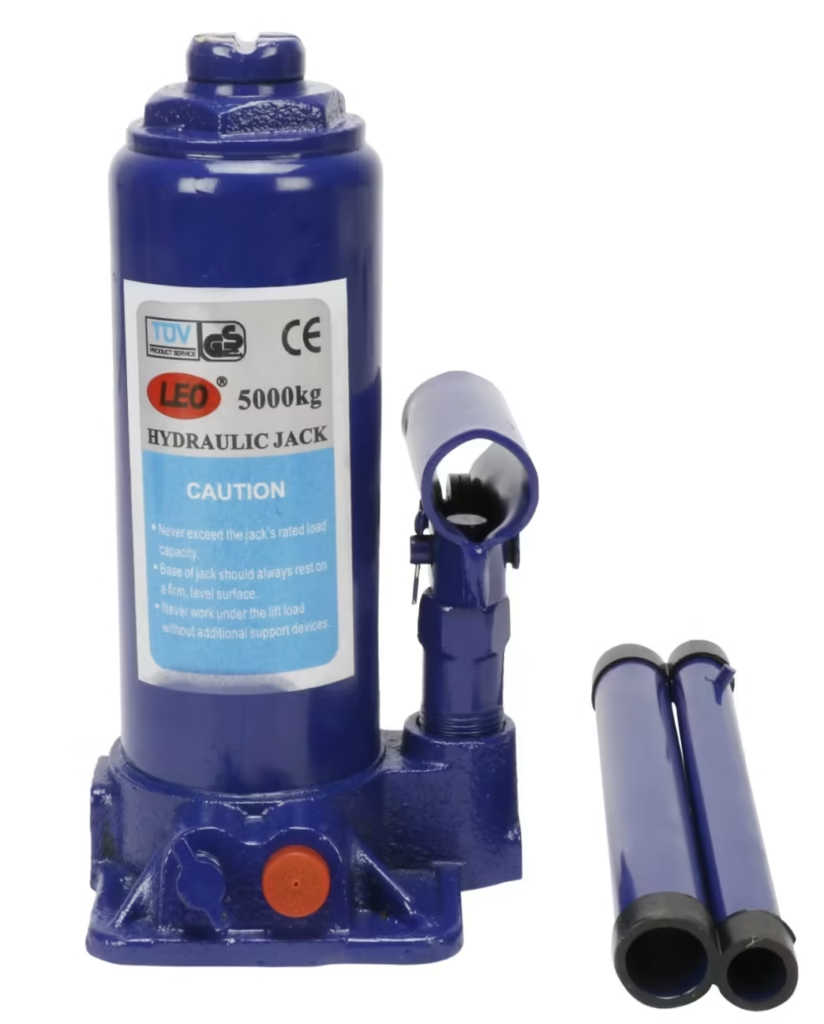
Hydraulic jack workshop tools lift vehicles through fluid pressure within a sealed system. The piston moves upward under applied force and raises the load gradually. Position remains stable during controlled lifting.
- Used for lifting vehicles
- Operates through hydraulic pressure
- Supports access to underbody components
Jack Stands
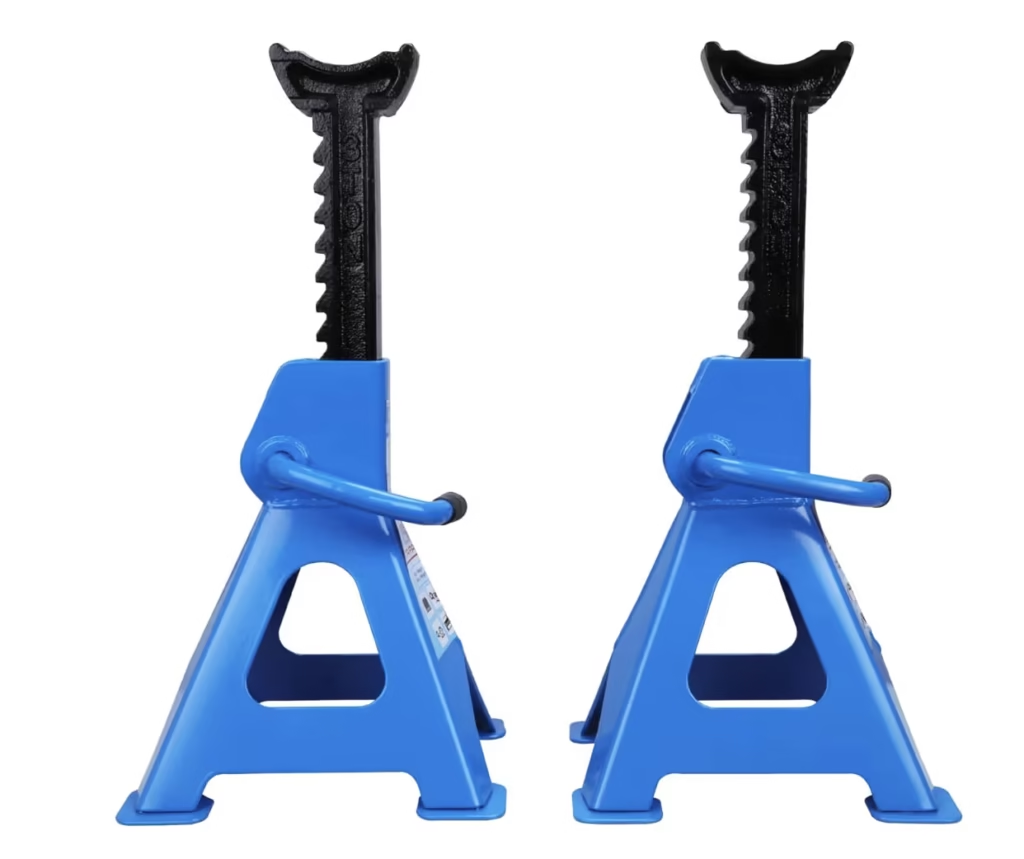
Jack stands workshop tools support vehicle weight after lifting. The structure remains fixed under static load conditions. Height remains locked during operation.
- Used for supporting lifted vehicles
- Maintains stable positioning
- Operates under static load
Wheel Spanner (Lug Wrench)
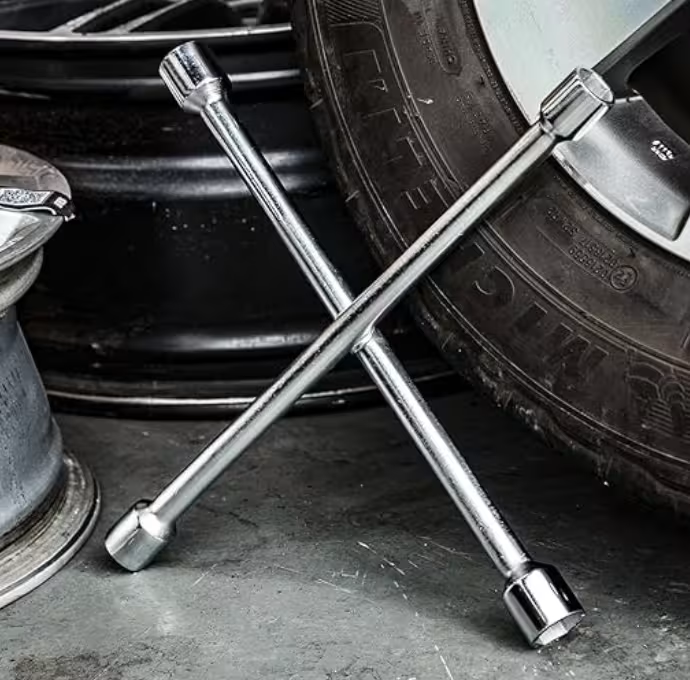
Wheel spanner workshop tools engage wheel nuts through direct rotational force. The tool fits onto lug heads and transfers torque during movement. Contact remains firm during operation.
- Used for removing wheel nuts
- Used for tightening wheel nuts
- Operates on wheel assemblies
Oil Filter Wrench
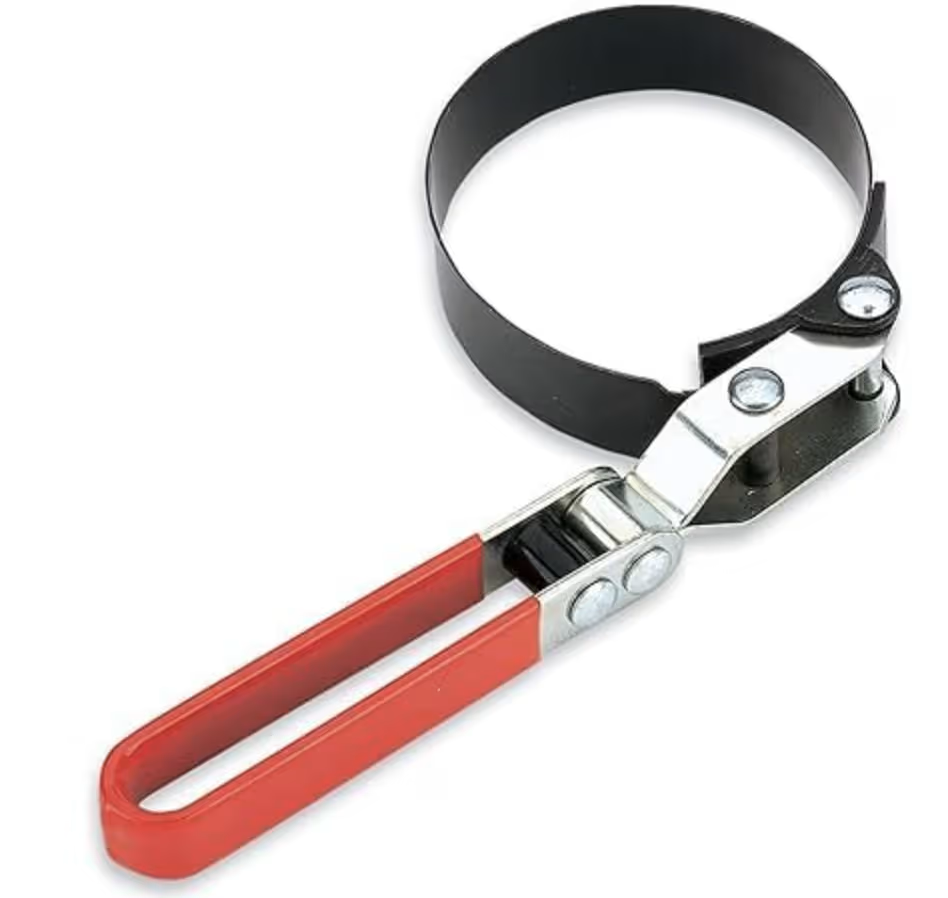
Oil filter wrench workshop tools grip cylindrical filter surfaces during removal. The tool applies rotational force around the filter body. Movement remains controlled during detachment.
- Used for removing oil filters
- Operates during servicing cycles
- Engages cylindrical surfaces
Spark Plug Socket
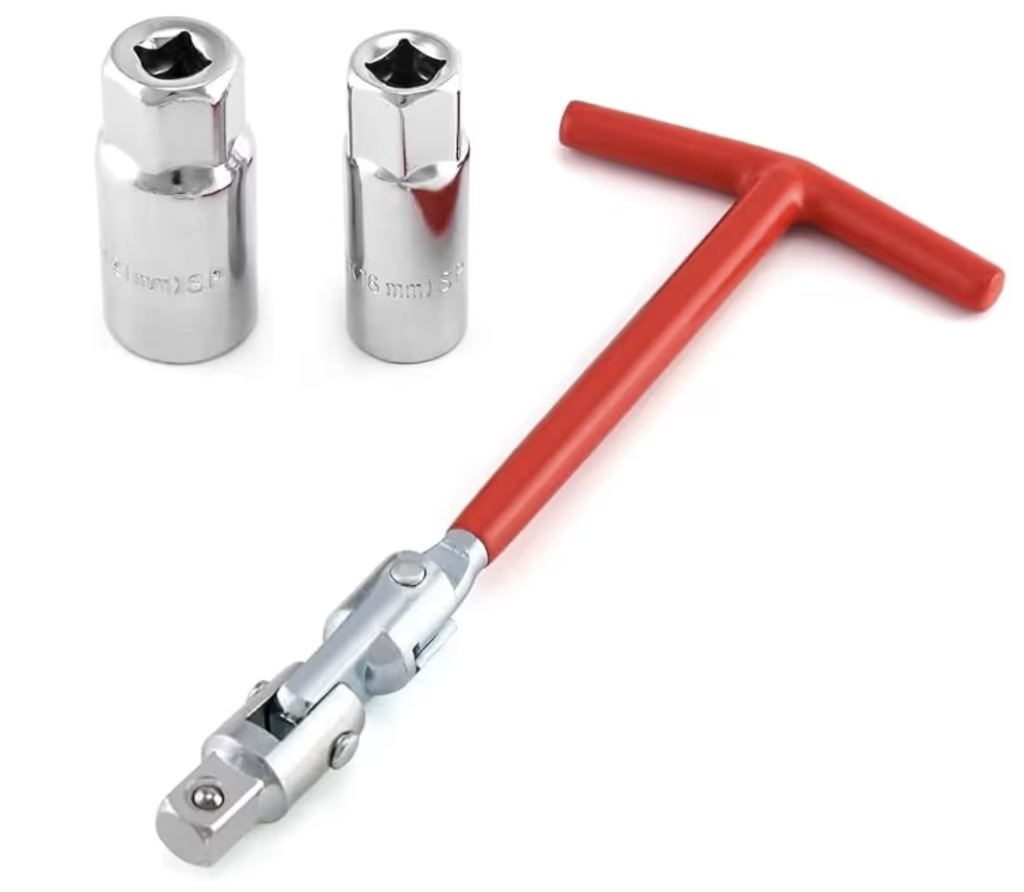
Spark plug socket workshop tools engage spark plugs within recessed engine areas. The socket holds the plug securely during rotation. Alignment remains centered during installation or removal.
- Used for removing spark plugs
- Used for installing spark plugs
- Operates within engine heads
Feeler Gauge
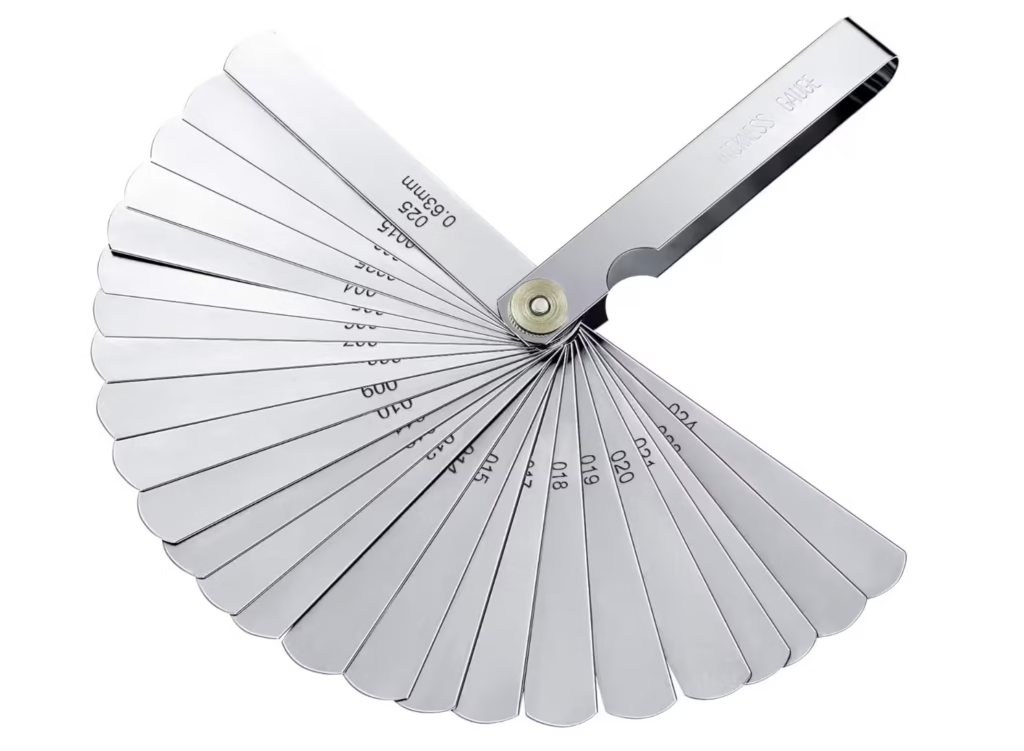
Feeler gauge workshop tools measure small gaps between mechanical components. Thin blades slide between surfaces to indicate clearance. Contact remains light during measurement.
- Used for measuring small gaps
- Used for valve clearance checks
- Operates with thin metal strips
Multimeter
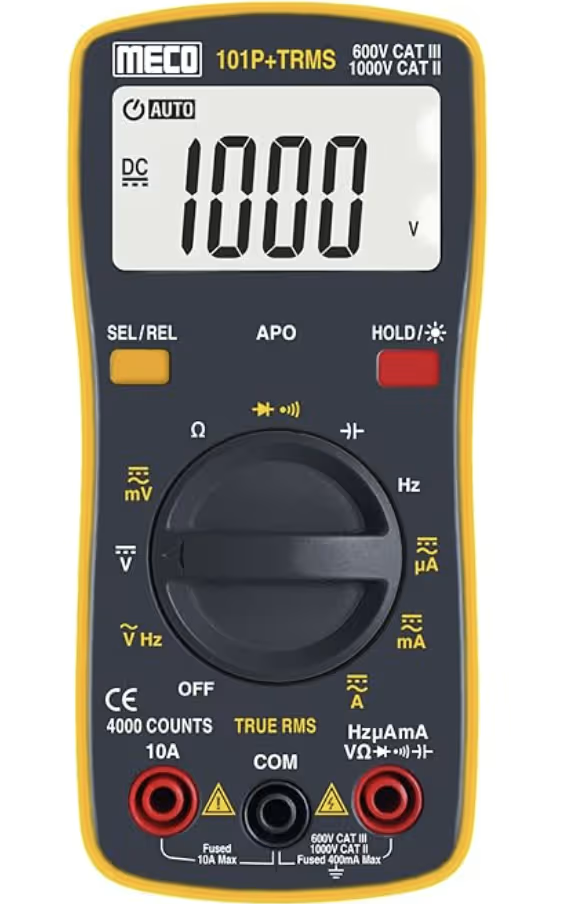
Multimeter workshop tools measure electrical values within vehicle systems. The device reads voltage, current, and resistance through probes. Output appears as numerical data.
- Used for voltage measurement
- Used for current measurement
- Used for resistance checks
Battery Tester
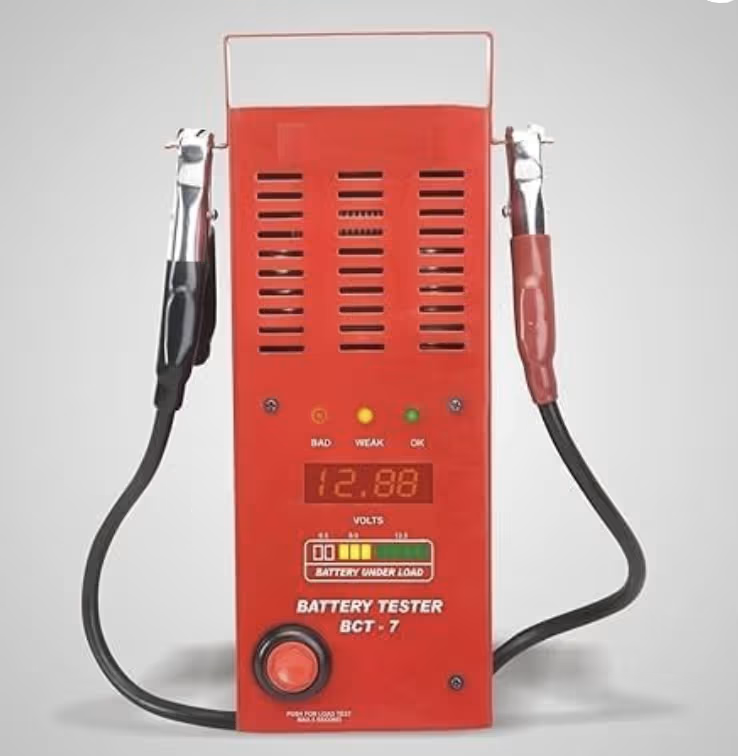
Battery tester workshop tools evaluate battery condition through load application. The device reflects charge level and response under stress. Output remains visible during testing.
- Used for checking battery charge
- Used for testing battery condition
- Operates under load conditions
OBD Scanner
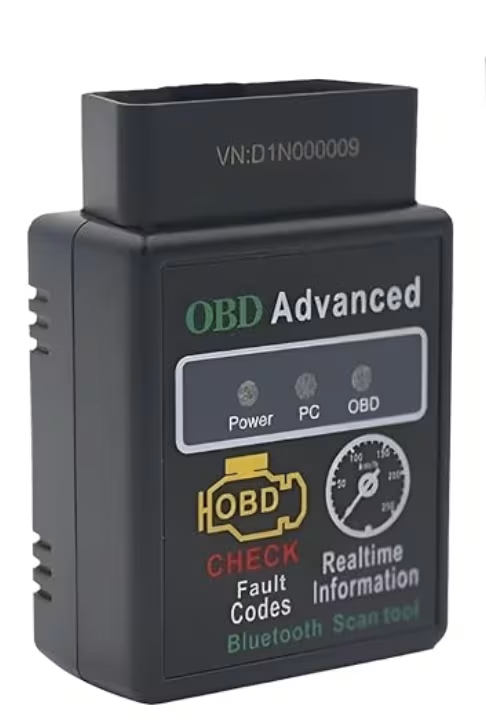
OBD scanner workshop tools read fault codes from vehicle control systems. The device connects to onboard ports and retrieves diagnostic data. Output reflects system status.
- Used for fault code reading
- Used for system diagnostics
- Operates through onboard interface
Grease Gun
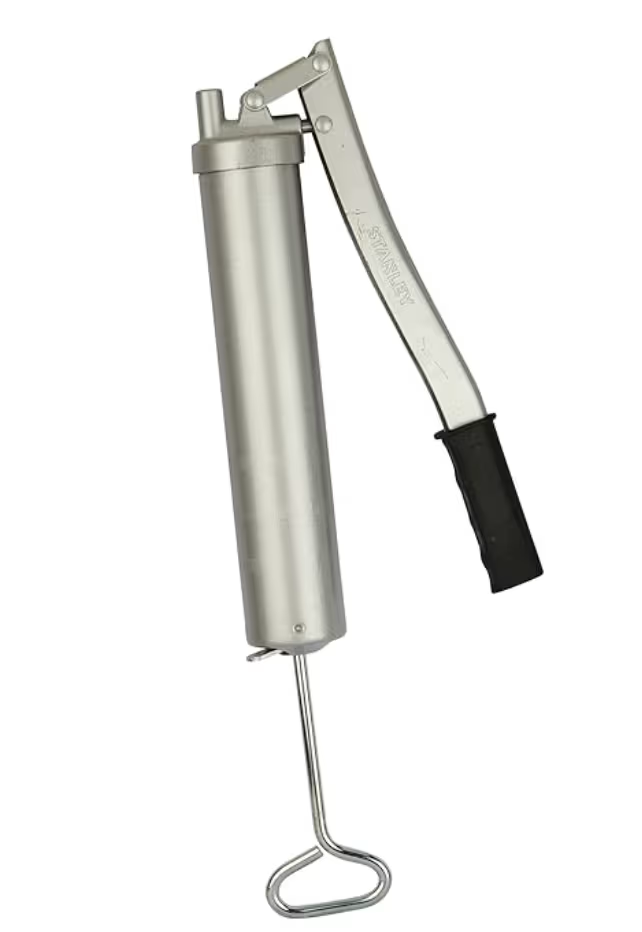
Grease gun workshop tools apply lubricant to moving joints and components. The mechanism pushes grease through a nozzle under pressure. Flow remains controlled during application.
- Used for lubricating joints
- Used for moving parts
- Operates under pressure
Air Compressor
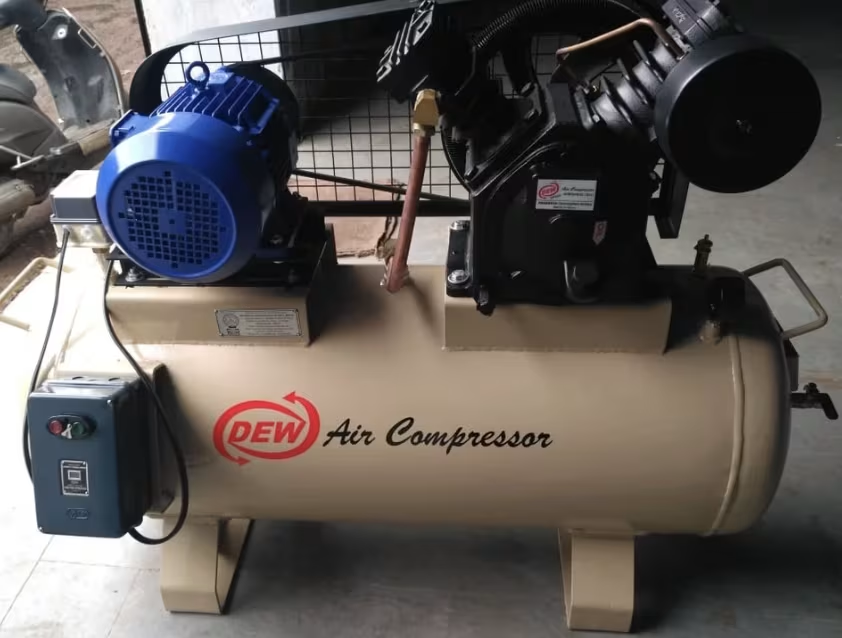
Air compressor workshop tools generate compressed air through motor-driven systems. The airflow moves through hoses under pressure during operation. Output remains steady during inflation tasks.
- Used for inflating tyres
- Used for powering pneumatic tools
- Operates through compressed air flow
Impact Wrench
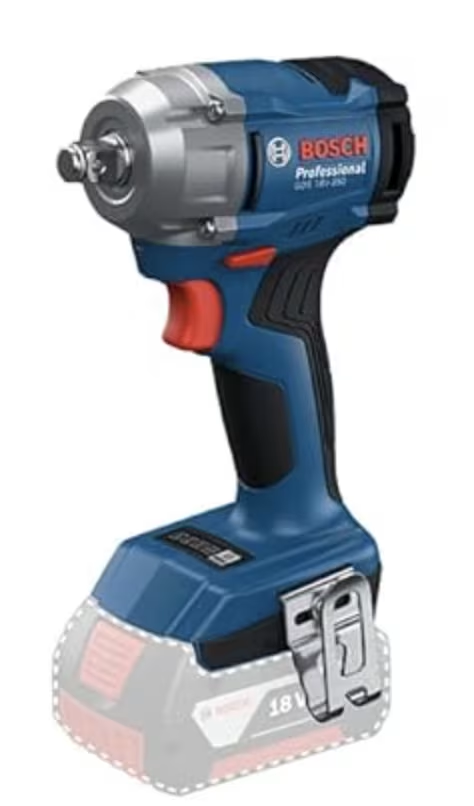
Impact wrench workshop tools deliver rotational force through rapid impact motion. The mechanism applies torque in short bursts during operation. Movement remains controlled under high load.
- Used for removing tight bolts
- Used for wheel nuts
- Operates through impact force
Angle Grinder
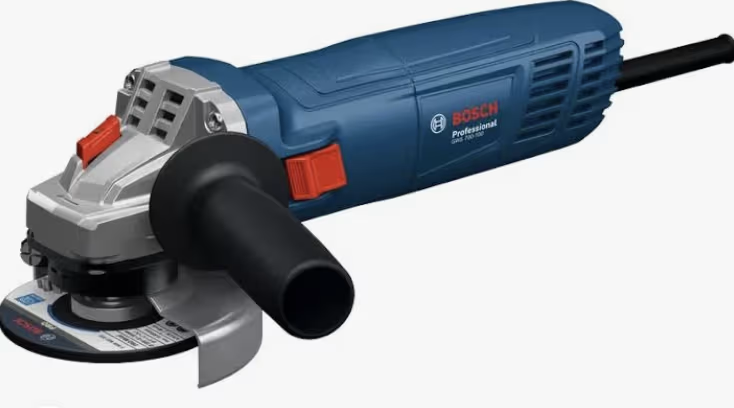
Angle grinder workshop tools rotate abrasive discs against metal surfaces. The disc removes material through friction during contact. Surface response reflects cutting or grinding action.
- Used for cutting metal parts
- Used for grinding surfaces
- Operates through rotating disc
Bench Vice
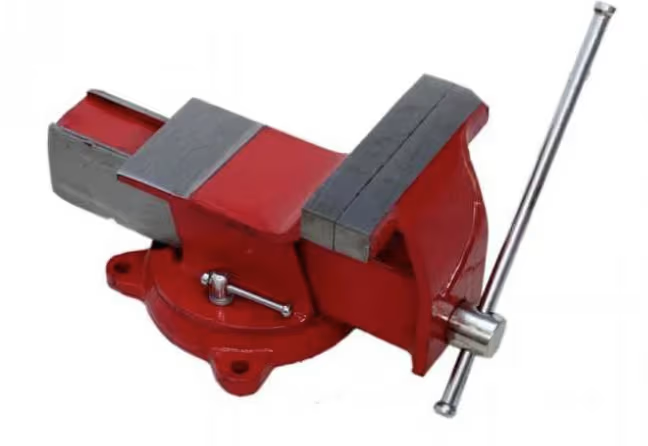
Bench vice workshop tools hold components through clamping jaws. The screw mechanism applies pressure during tightening. Position remains fixed during work.
- Used for holding components
- Maintains firm grip
- Operates through clamping force
C-Clamp
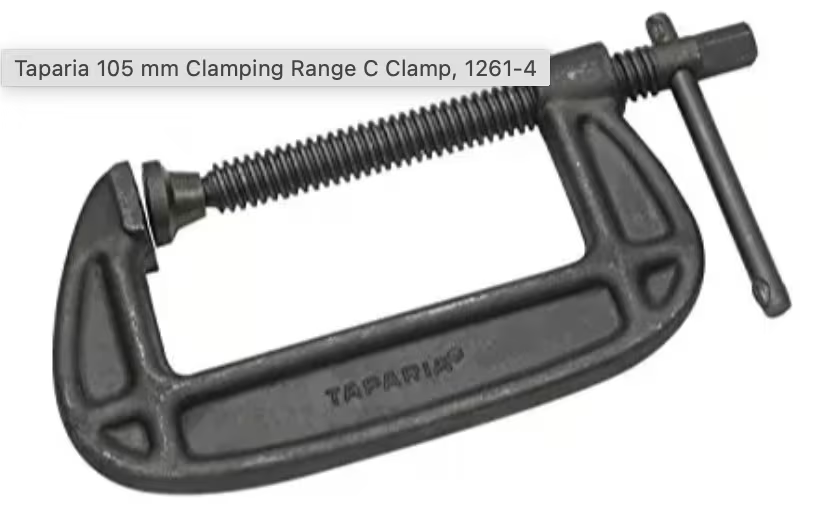
C clamp workshop tools apply compressive force across two surfaces. The frame holds parts in alignment during operation. Pressure remains stable under load.
- Used for holding parts
- Used for compressing components
- Operates through screw pressure
Piston Ring Compressor
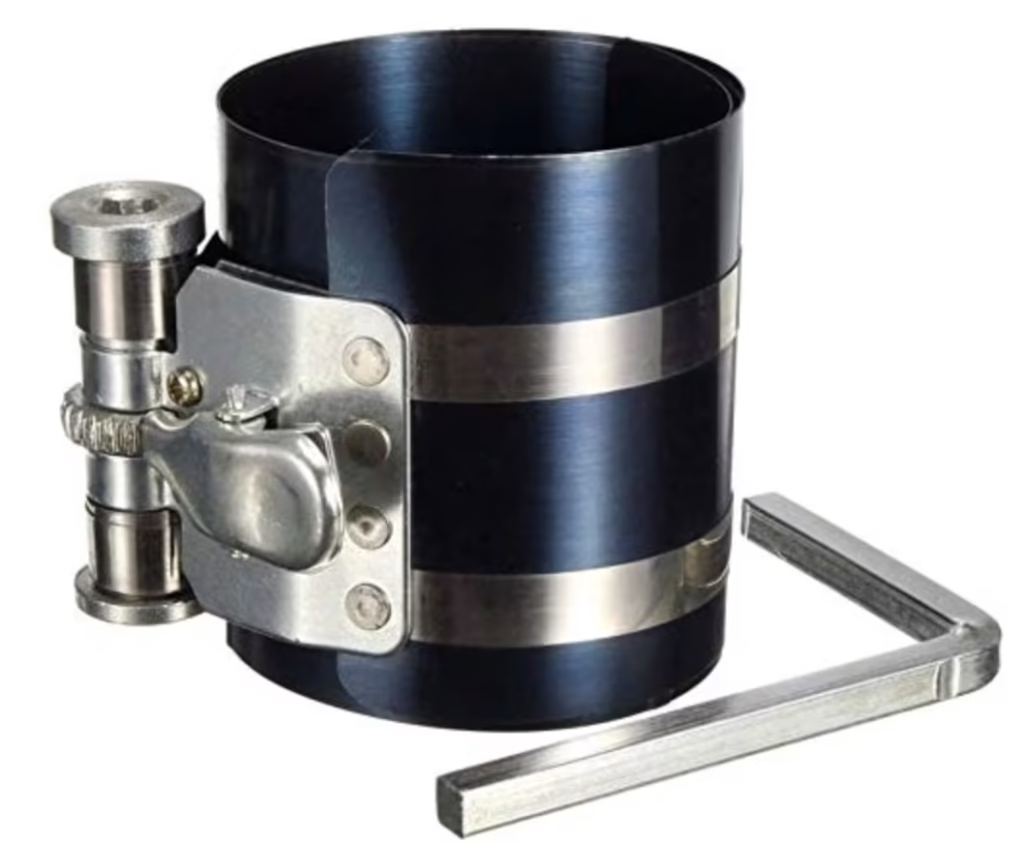
Piston ring compressor workshop tools compress piston rings during engine assembly. The band applies uniform pressure around the piston. Alignment remains centered during insertion.
- Used for fitting piston rings
- Used in engine assembly
- Operates through radial compression
Brake Bleeder Kit
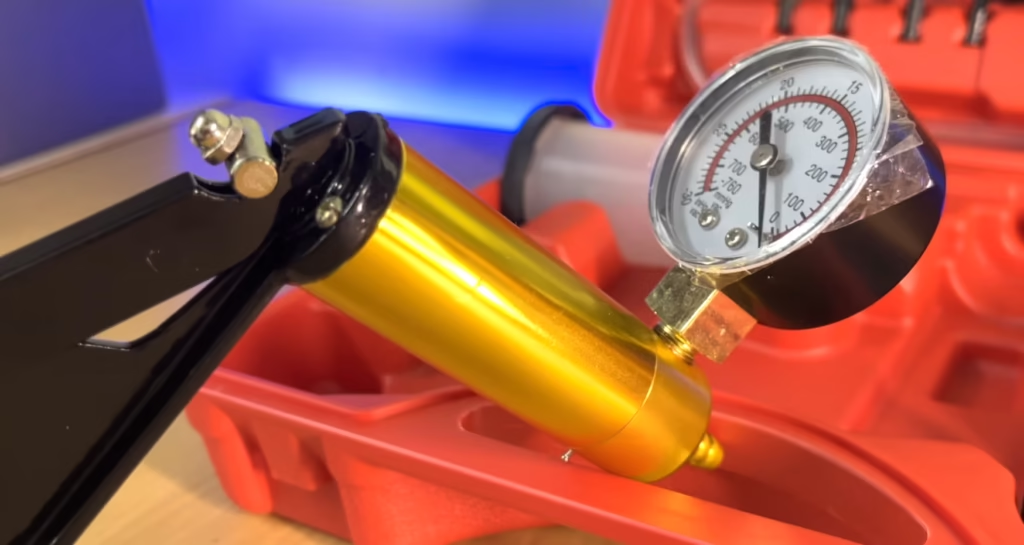
Brake bleeder kit workshop tools remove trapped air from brake lines. Fluid moves through the system under controlled release. Flow appears steady during bleeding.
- Used for removing air from brake lines
- Used during brake servicing
- Operates through fluid movement
Chain Breaker Tool
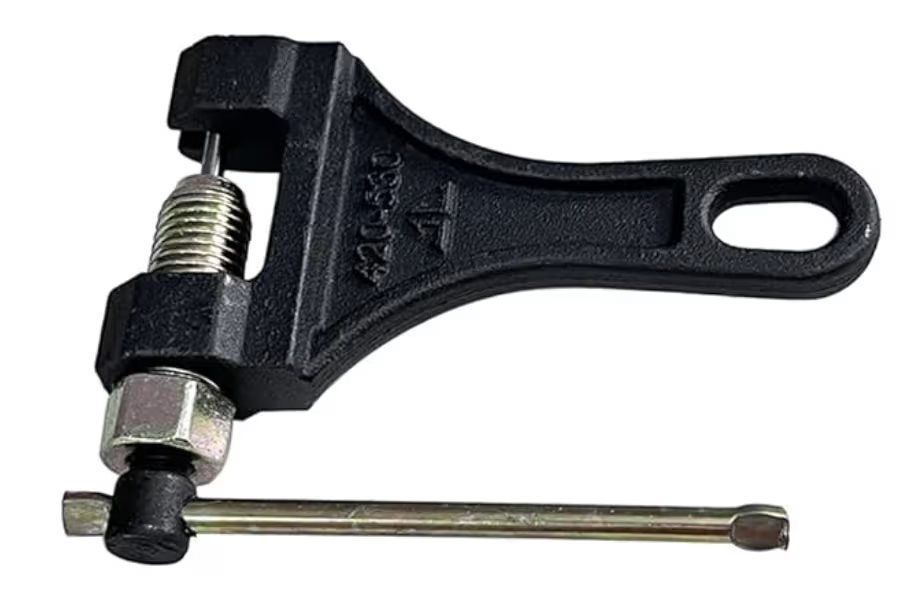
Chain breaker tool workshop tools separate and join chain links through pin movement. The tool applies pressure to the chain pin during operation. Movement remains precise within link joints.
- Used for removing bike chains
- Used for installing chains
- Operates through pin displacement
Tyre Pressure Gauge
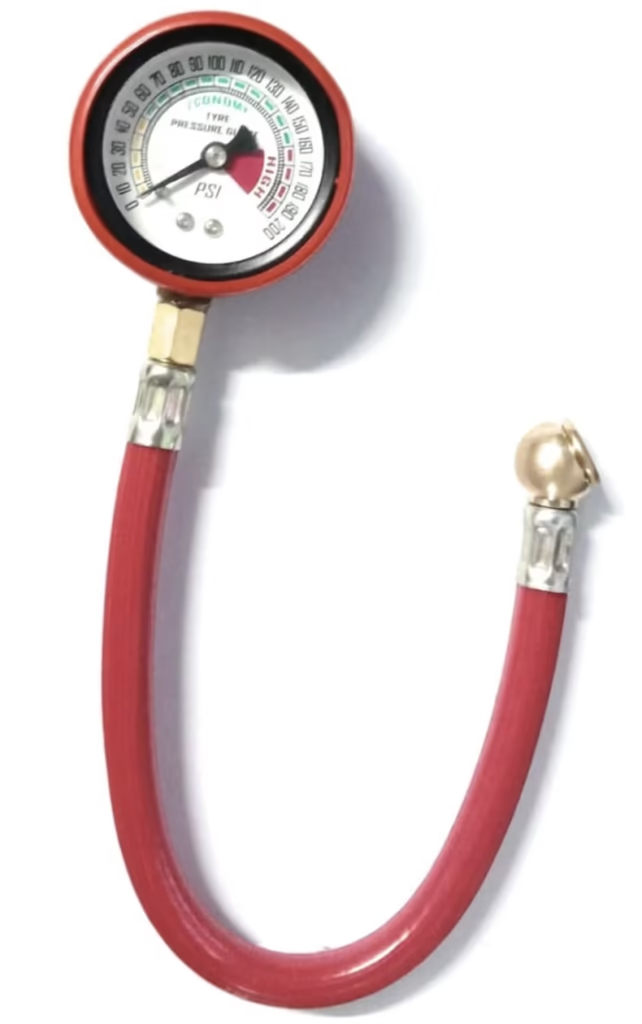
Tyre pressure gauge workshop tools measure air pressure within tyres. The device reads internal pressure through direct contact with the valve. Output appears as a numerical value.
- Used for checking tyre pressure
- Operates through valve contact
- Displays pressure reading
Funnel

Funnel workshop tools guide fluid flow into narrow openings. The structure directs liquid movement without spillage. Flow remains steady during pouring.
- Used for pouring oil
- Used for transferring fluids
- Controls liquid flow
Drain Pan
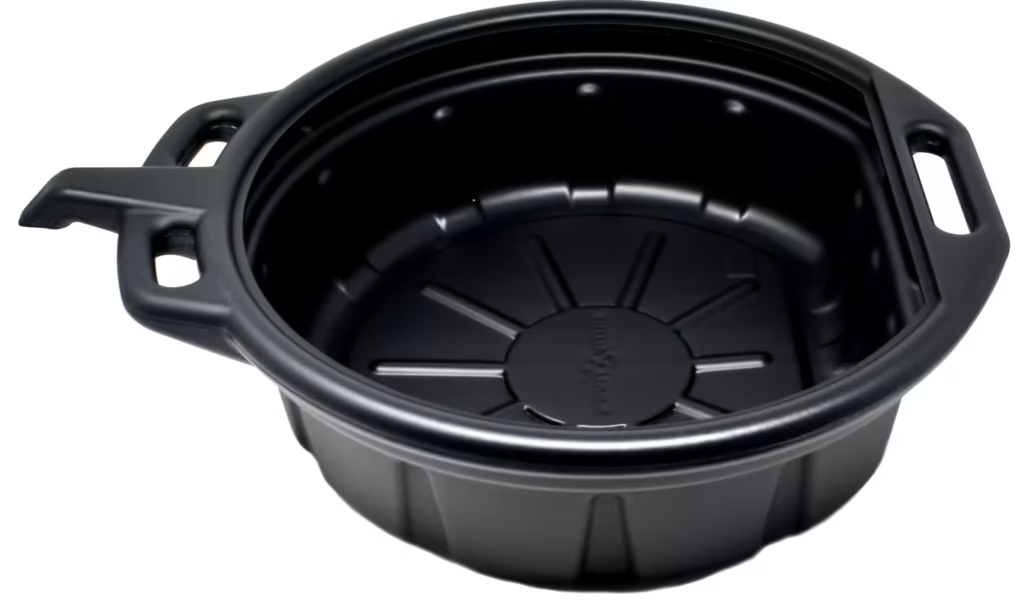
Drain pan workshop tools collect used fluids during servicing operations. The container holds liquid under static conditions. Position remains fixed during drainage.
- Used for collecting engine oil
- Used for fluid disposal
- Holds liquid waste
Creeper
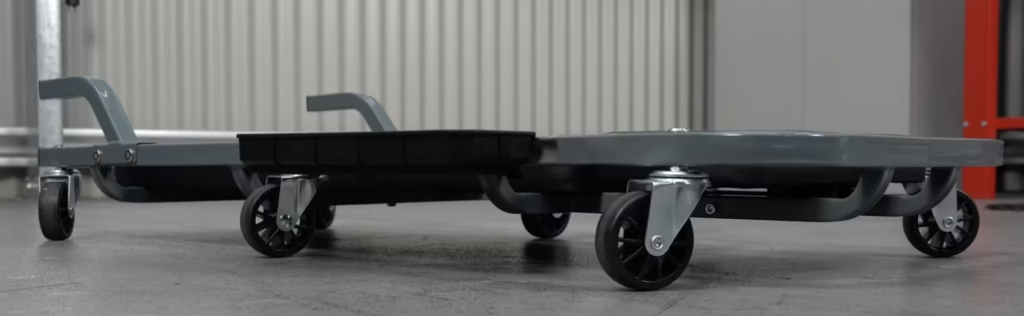
Creeper workshop tools support body movement under vehicles. The platform moves along the floor during inspection tasks. Motion remains smooth on wheels.
- Used for sliding under vehicles
- Used during inspection
- Operates on rolling base
Work Light
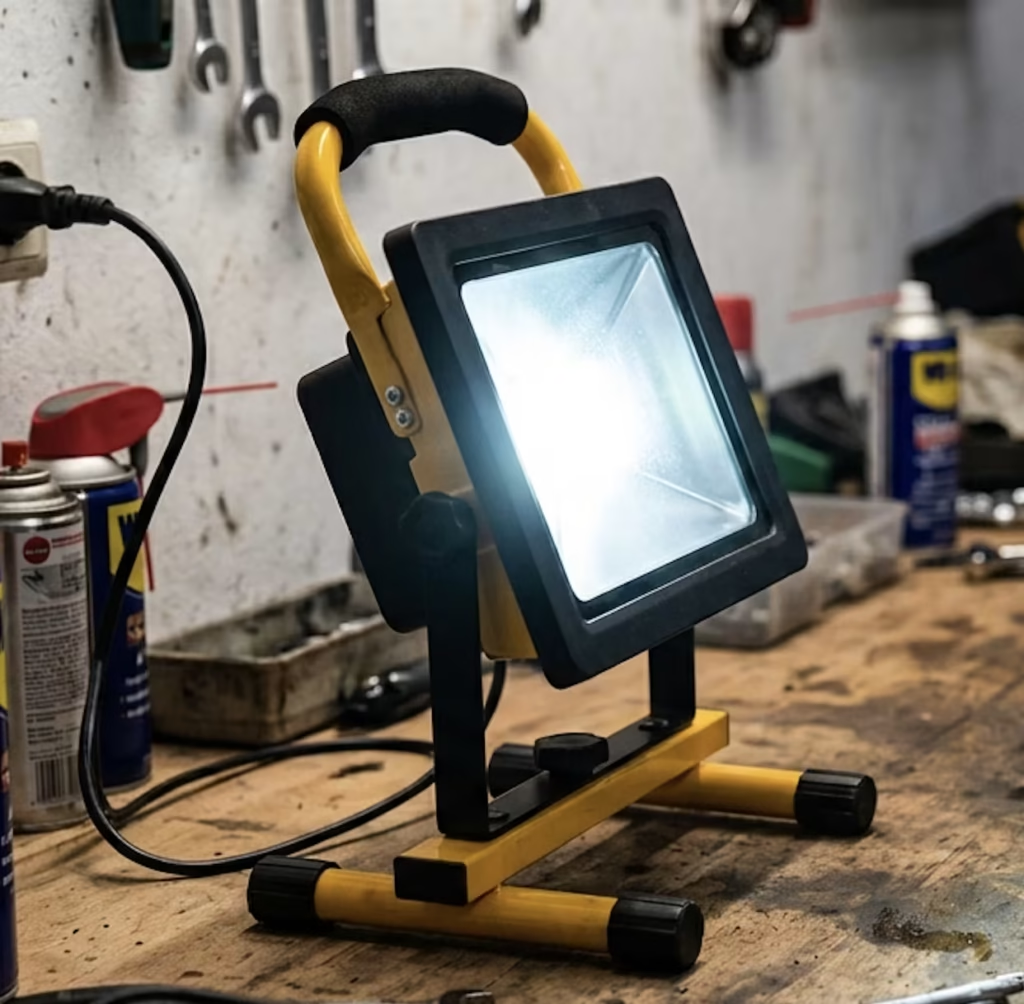
Work light workshop tools provide illumination in enclosed areas. The light source directs focus onto components during operation. Visibility remains stable in low light.
- Used for lighting work areas
- Used in low visibility conditions
- Operates through electric source
Magnetic Pickup Tool
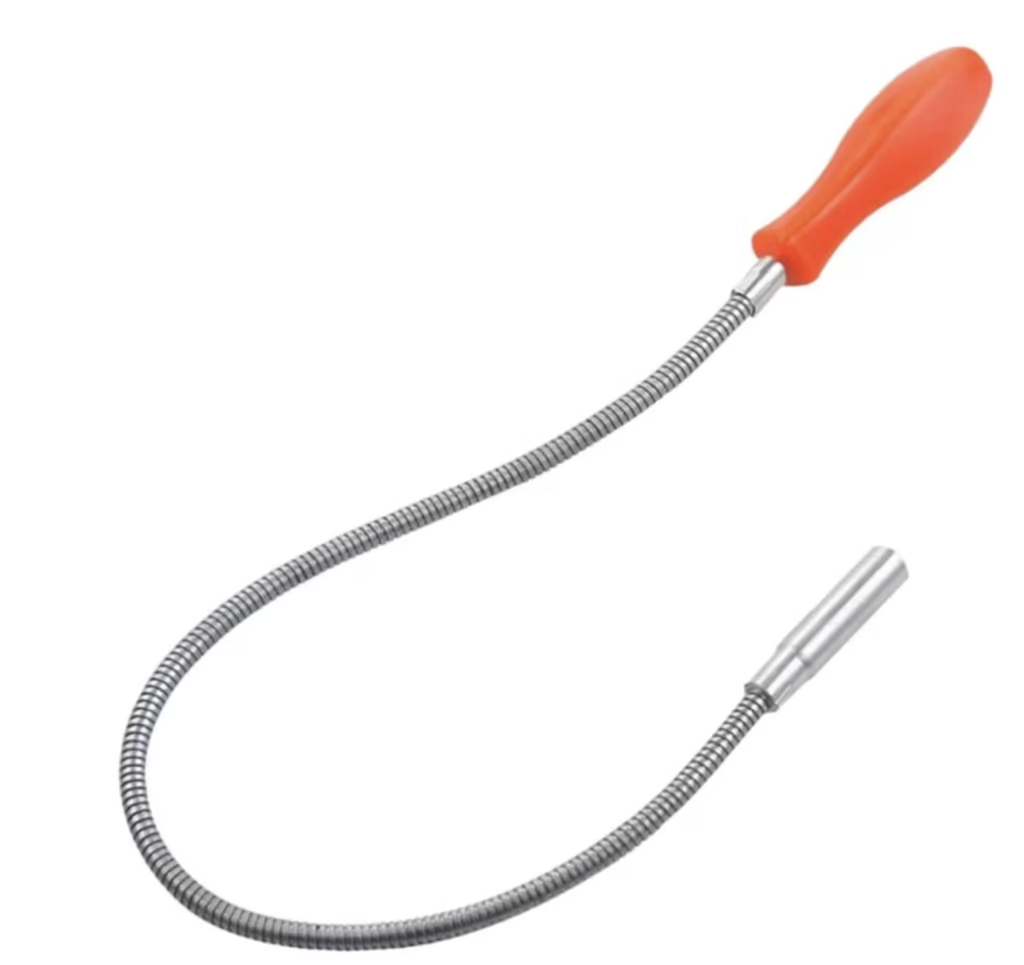
Magnetic pickup tool workshop tools retrieve metal parts through magnetic attraction. The tip attracts small objects from confined spaces. Movement remains controlled during retrieval.
- Used for picking metal parts
- Used in tight spaces
- Operates through magnetism
Tool Trolley / Chest
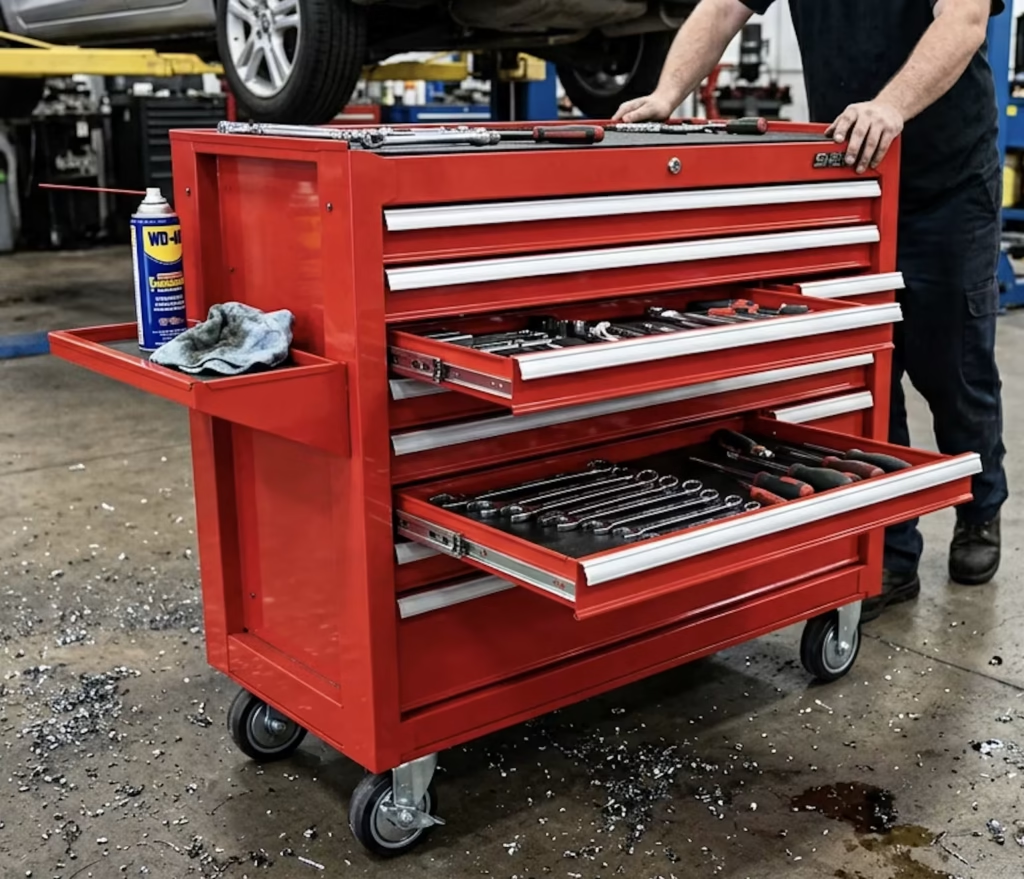
Tool trolley or chest workshop tools store and organize equipment within compartments. The structure holds tools in arranged positions during use cycles. Movement remains stable on wheels when required.
- Used for tool storage
- Used for organization
- Operates as mobile storage system
Safety Tips in Workshops
Workshop tools operate under mechanical force, electrical flow, and pressure conditions. Improper handling alters tool behavior during active use. Contact surfaces remain exposed during operation. Workshop tools require stable handling across repeated tasks. The work area reflects risk when movement or load shifts occur.
- Maintain firm grip on workshop tools during operation
- Keep tools clean to reduce slip during contact
- Store tools in fixed positions after use
- Inspect tool condition before each task
- Keep work area clear of loose materials
- Use protective gear during tool handling
Conclusion
Workshop tools form the structural base of automotive repair activity. Each tool operates within a defined mechanical or electrical role. Tool interaction reflects controlled force, motion, or measurement during service cycles. The arrangement of workshop tools follows the sequence of repair operations. Each stage depends on the correct tool type.
Tool behavior remains consistent under repeated use conditions. Movement stays localized within the working area. The system remains stable through organized tool application.
Disclaimer: Image source Amazon.com/in