Scratches on the vehicle are one of the most prevalent cosmetic problems vehicle owners have to deal with. Whether caused by a tight parking spot, overgrown tree branches, road debris, shopping carts or inappropriate cleaning procedures, scratches may easily damage a clean appearing vehicle. Some scratches are only cosmetic, others can expose the underlayers of paint and eventually lead to corrosion if left untreated. That’s why car scratch repair isn’t just about looks – it also helps safeguard your vehicle’s long-term worth.
From my personal experience, even a tiny scrape may become rather obvious if you are aware of it. I’ve seen everything from minor clear-coat markings to bigger scratches caused by road debris, and I know how aggravating it is to witness damage every time you go approach your car. Thankfully, not all scratches necessitate a pricey trip to the body shop. The first thing to do in picking the correct repair process is to find out what kind of damage you have.
READ MORE: Spark Plug Replacement Cost: DIY vs Mechanic Repair Guide
Understanding Different Types of Car Scratches
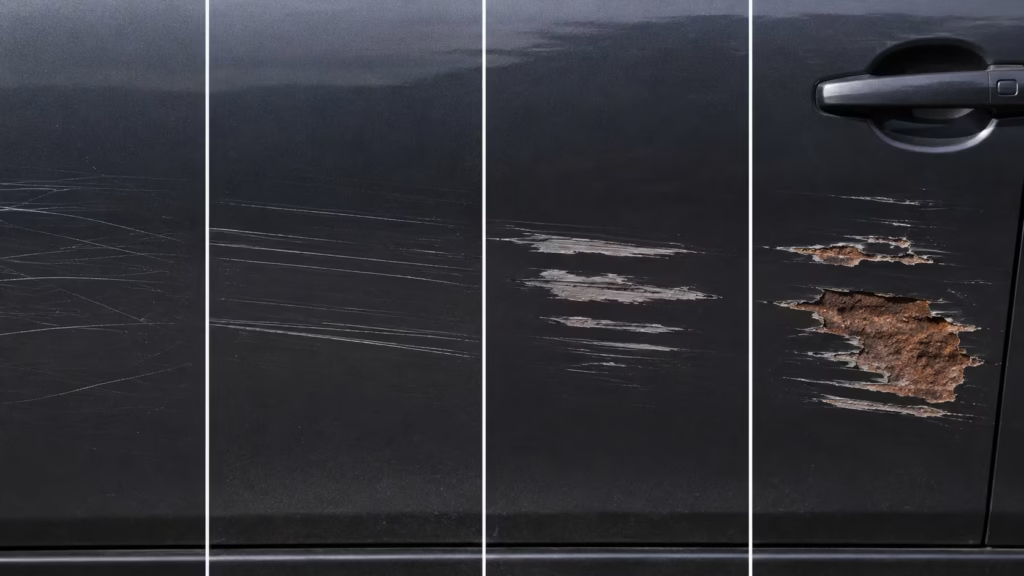
Before you start any automobile scratch repair, you need first determine how deep the mark is. Modern automobile paint usually has a few layers to it including the clear coat, color coat, primer and metal body panel.
Clear Coat Scratches
These are the slightest scrapes that only impact the clear protective covering. They tend to look like swirl marks or small surface scratches and are often good for a DIY repair.
Paint Layer Scratches
These scratches are deep enough to go through the clear coat and into the colored paint layer. They are more noticeable and may require touch-up materials or more sophisticated restoration techniques.
Primer-Level Scratches
The damaged area could seem gray or white if the scrape goes down to the primer under the paint. These scratches usually need more substantial correction.
Deep Metal-Exposed Scratches
The worst scratches bare metal. Untreated moisture can cause rust and corrosion thus it is important to remedy it quickly.
The Fingernail Test
One simple approach to check for damage is the fingernail test. Gently run your fingertip over the scratch. If your nail doesn’t catch, then it is likely a superficial scratch. If it is obviously catching then the injury is likely more severe and may need expert intervention.
Common Causes of Vehicle Scratches
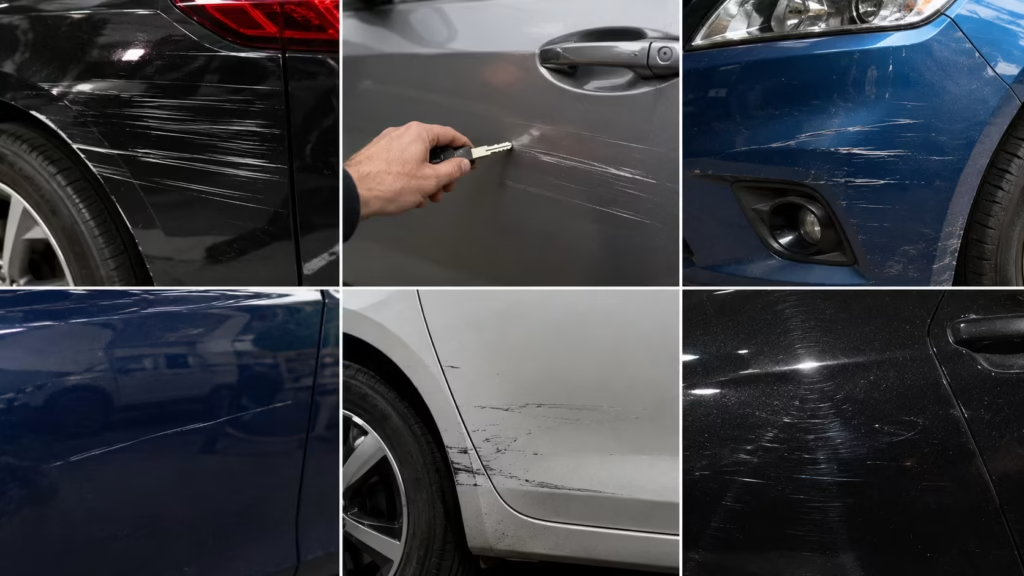
Many drivers are astonished at how easy paint damage may occur.
The common causes are:
- Car washing using rough brushes
- Trees pushing against the car with branches
- Loose gravel and road detritus
- Shopping trolley and car park accidents
- Washing and drying the wrong way
- Clawing and incidental touch with sharp items
How to Remove Scratches from Car at Home
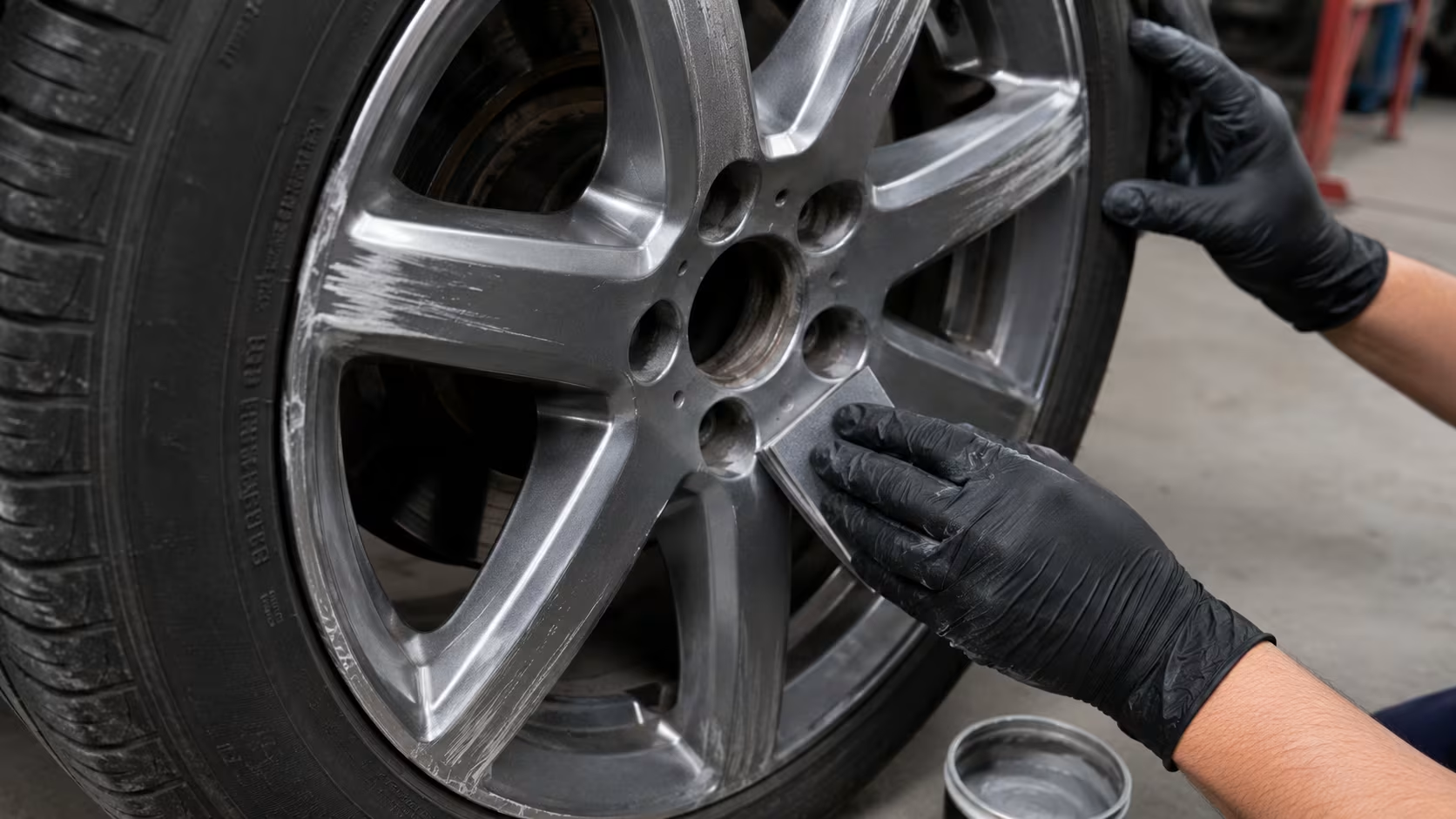
Many automobile owners are looking for ways to remove scratches from their vehicles without having to attend a repair shop. If the scratch is slight, do-it-yourself approaches typically work quite well.
Step 1 – Clean the Damaged Area
Wash the afflicted area thoroughly with automotive shampoo and water. Any dirt that becomes trapped in the region might cause further scratches when repaired.
Step 2 – Assess Scratch Depth
Make sure you have sufficient lighting and do the fingernail test to see whether the damage is just in the clear coat.
Step 3 – Use Scratch Removal Compound
Use a good scratch-removal product with a microfiber applicator pad. Work in tiny circles, according to the manufacturer’s directions.
Step 4 – Polish the Surface
Polish restores the sheen and blends the restored area into the surrounding paint.
Step 5 – Apply Wax or Paint Protection
This will seal the surface and bring the gloss back. Finish up with a wax or paint protection.
DIY approaches can work for removing surface scratches, tiny swirl marks and mild clear coat scratch restoration. However, they are unlikely to totally repair more serious damage to paint or primer.
I’ve learned patience is the key to getting ordinary vs. remarkable DIY outcomes. Most light scratches may be corrected greatly with good polishing and expertise. But I’ve also learned that forcing a DIY remedy on deeper damage typically wastes time and makes the repair harder down the road. learning when to call in the professionals is as vital as learning how to do the repair.
When Professional Car Scratch Repair Is Necessary
Some situations require professional scratch repair rather than a DIY approach.
Professional service is usually recommended when:
- The scratch reaches the primer
- Bare metal is exposed
- Multiple scratches cover a large area
- Paint color matching is required
- Previous DIY repairs have failed
Paint Correction
This method eliminates tiny flaws using machine polishing and controlled abrasion.
Wet Sanding
Wet sanding is performed on deeper faults and meticulously levels the damaged paint surface prior to polishing.
Touch-Up Painting
Good for limited paint damage where a small piece has to be refinished.
Panel Repainting
If the damage is extensive, the whole body panel may need to be painted to ensure a smooth finish.
Deep automotive scratch repair and complicated paint damage provide more dependable outcomes.
Car Scratch Repair Cost Breakdown
Car scratch repair cost is one of the most popular worries among the vehicle owners. Actual prices vary based on severity of damage and repair technique.
| Repair Type | Typical Cost Range |
| Minor surface scratch repair | $20–$100 |
| Moderate paint scratch repair | $100–$400 |
| Deep scratch repair | $300–$1,000+ |
| Professional paint correction | $200–$800 |
| Full panel repainting | $500–$2,000+ |
Several factors determine the cost of automobile scratch repair:
- Make and model of vehicle
- Type of paint and color complexity
- Scratch depth
- Labor rates for your area
- Need a repair method
- Area of damage
Tips to Eliminate Scratches on Car and Prevent Future Damage
Preventive maintenance is often easier and less expensive than repair.
To help eliminate scratches on car surfaces and reduce future damage:
- Wash using the two-bucket method
- Use high-quality microfiber towels
- Avoid automatic brush car washes
- Apply ceramic coatings for added protection
- Consider paint protection film for vulnerable areas
- Park away from crowded spaces when possible
- Schedule regular detailing and inspections
DIY vs Professional Scratch Repair
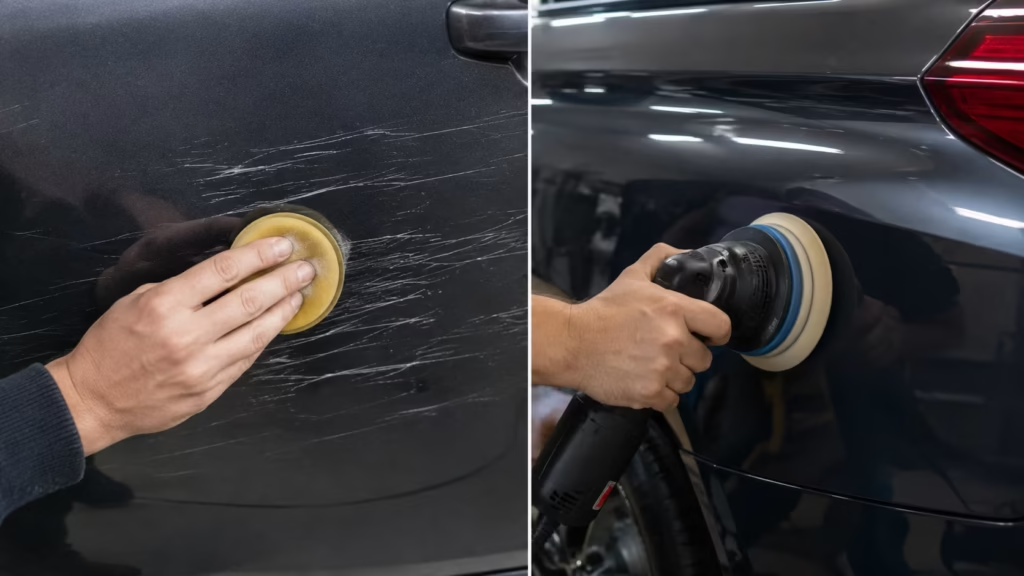
| Factor | DIY Repair | Professional Repair |
| Cost | Low | Higher |
| Skill Required | Moderate | Professional expertise |
| Time Needed | Several hours | Usually faster |
| Expected Results | Good for light scratches | Best for all scratch types |
| Best Use Case | Clear coat damage | Deep paint and metal damage |
Conclusion
You don’t have to spend a fortune on every scratch. The first step to the proper remedy is to understand the depth and severity of the damage. Many small scratches may be repaired easily using DIY approaches, but greater damage generally requires expert help. Timely automobile scratch repair is not only good for beauty but also helps preserve resale value and protects the vehicle from long-term paint damage.
My experience has been that repairing scratches early on saves money in the long run virtually all the time. Small paint faults are easy to fix before they develop or cause more damage. Keeping a vehicle looking good is a lot about washing it regularly, parking it carefully and fixing problems promptly. A little care today will save you considerably more repair bills tomorrow.