As global temperatures continue to climb, and indoor comfort becomes a priority, air conditioners have shifted from luxury appliances to necessary family and commercial cooling solutions. Selecting the correct cooling system for houses, apartments, offices or small living spaces can greatly enhance comfort, energy efficiency and long-term cost savings.
Knowing the many types of air conditioners is important since each cooling system has a purpose. Some systems are designed to cool a complete house, while others are terrific for individual rooms or small flats. And with the latest air conditioning technology, eco friendly cooling solutions and modern smart temperature control systems, it’s also simpler to opt for efficient, ecologically responsible choices.
Before we look at the many types of air conditioners, it’s helpful to understand how air conditioners work. Most AC systems work via a refrigeration cycle that removes heat from inside air and expels it outside. There are key parts including the compressor, evaporator coil, condenser coil and refrigerant that all work to chill and move air through the area.
In this article, we’ll review the 10 most common types of air conditioners, how they function, the pros and cons, energy efficiency, maintenance needs, and optimal applications to help you pick the finest AC for your home or commercial space.
READ MORE: Air Conditioning System: Working Principle, Components, Types, Advantages and Disadvantages
Different Types of Air Conditioners
1. Window Air Conditioners
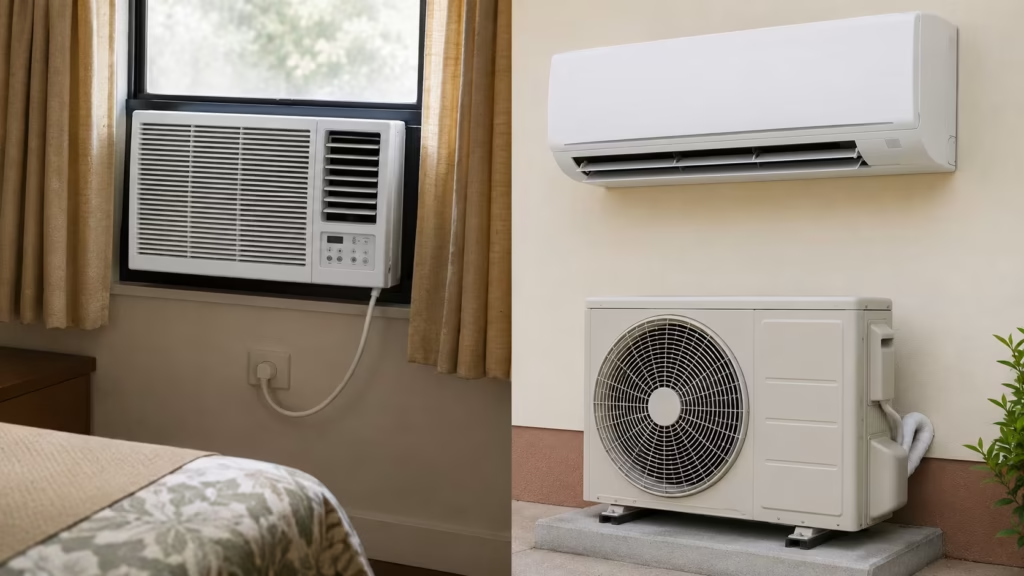
A window air conditioner is a small self-contained cooling device that is fitted in a window or in a special aperture made in a wall. They are among the most popular types of air conditioners for cooling single rooms in houses and modest places.
How It Works?
These units contain all components in one system. Warm indoor air is blown over the evaporator coil by the indoor blower . The heat is absorbed by refrigerant . The outside portion releases the heat through the condenser .
Best Uses
Ideal for bedrooms, studio flats, dorm rooms and small offices where cooling is required for a single enclosed space.
Benefits
They are minimal initial cost, quick to install, widely available and are ideally suited for tight places.
Drawbacks
They can block off window space, make visible noise and provide limited cooling coverage with less visual appeal.
Energy Efficiency
Modern versions can be quite energy efficient, especially those energy efficient air conditioners that are ENERGY STAR certified and engineered to minimize power use.
Maintenance Requirements
Routine maintenance involves monthly cleaning of air filters, inspection of condensate drainage, and removal of any debris from outdoor vents.
2. Split Air Conditioners
Split air conditioner is one of the prominent types of air conditioners commonly used in both residential homes and commercial spaces. The most prevalent varieties of air conditioners choose it for its effective performance and convenient design in modern situations. It comprises of two main parts, one is the interior unit that blows out cold air and the other is the outdoor compressor which helps with heat exchange. Both units are connected with refrigerant pipes, thus providing a smooth and effective cooling operation.
Split air conditioners are popular for their sleek and contemporary style that matches well with modern decor. They are quieter than many older systems and more energy efficient, making them a popular choice for bedrooms, living rooms, workplaces and other locations that are used regularly.
How It Works?
The indoor unit takes heat from the air in the room and transfers it to the outdoor unit via refrigerant. Heat is vented externally and cooled air pumped back into the interior.
Best Uses
Ideal for bedrooms, living rooms, flats and small offices that demand regular, effective cooling.
Benefits
They provide silent operation, improved aesthetics, superior cooling performance and various installation options.
Drawbacks
They cost more to install, require a specialist to install them, and are normally only used to cool certain zones.
Energy Efficiency
Many models have modern inverter air-conditioner technology, which helps enhance energy efficiency and reduce electricity consumption.
Maintenance Requirements
To achieve best performance, it is necessary to undertake regular filter cleaning, coil servicing, and annual refrigerant checks.
3. Ductless Mini Split AC Systems
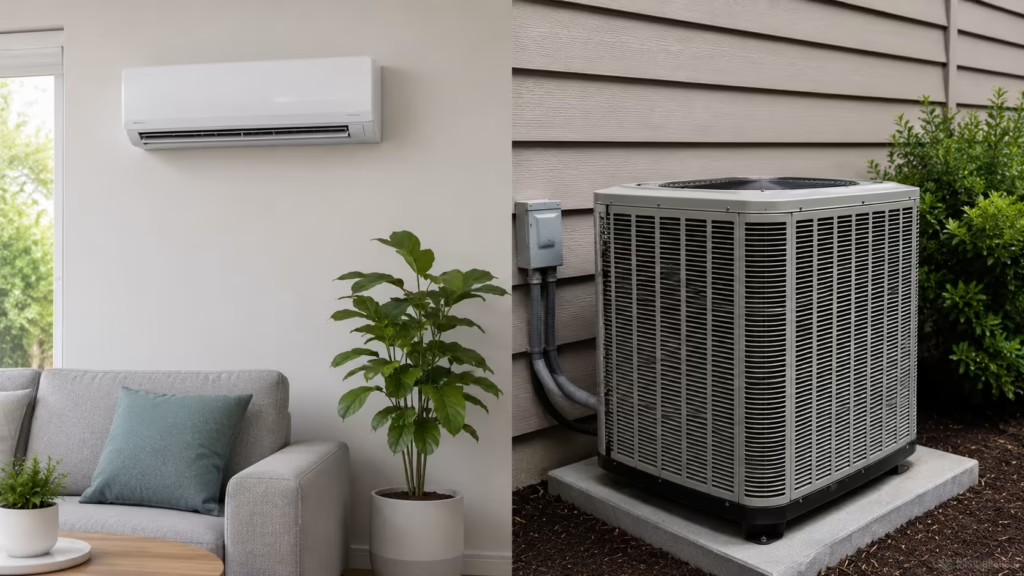
Ductless small split AC systems are a more advanced types of air conditioners option that doesn’t need ductwork, but instead many interior units connected to a single compressor outside. They are perfect for flexible and effective cooling in modern homes.
How It Works?
Each indoor unit cools its zone by collecting the heat within and moving it outside through the refrigerant lines, allowing for independent temperature control in separate rooms.
Best Uses
Great for multi-room homes, home extensions, older homes lacking ductwork and small office settings.
Benefits
They offer zonal cooling, excellent efficiency, no duct loss, and versatile installation.
Drawbacks
They are more expensive to buy up front, have visible indoor components, and require professional installation.
Energy Efficiency
They are some of the most energy-efficient kinds of air conditioners, especially when they incorporate inverter technology to enhance efficiency.
Maintenance Requirements
For routine maintenance, filters are cleaned regularly, drainage is checked and an annual expert servicing is done.
4. Central Cooling Systems
Central Cooling is a types of air conditioners system that cools the entire house by circulating cooled air through a system of ducts and vents to provide constant temperature control in big regions.
How It Works?
A central compressor cools the air and then ducting and vents circulate the air to all the rooms of the building so that all rooms are evenly cooled.
Best Uses
Great for larger homes, businesses and commercial facilities that need continuous cooling in numerous areas.
Benefits
They provide all round cooling, quiet operation inside, better indoor comfort and can add value to the house.
Drawbacks
These systems are expensive to install, have large ductwork and may have energy loss through ducts.
Energy Efficiency
Modern systems can be very efficient types of air conditioners especially if they are coupled with smart thermostats that can help optimize energy use.
Maintenance Requirements
It’s important to check the ducts often, change filters and get the HVAC system serviced annually to keep it running efficiently.
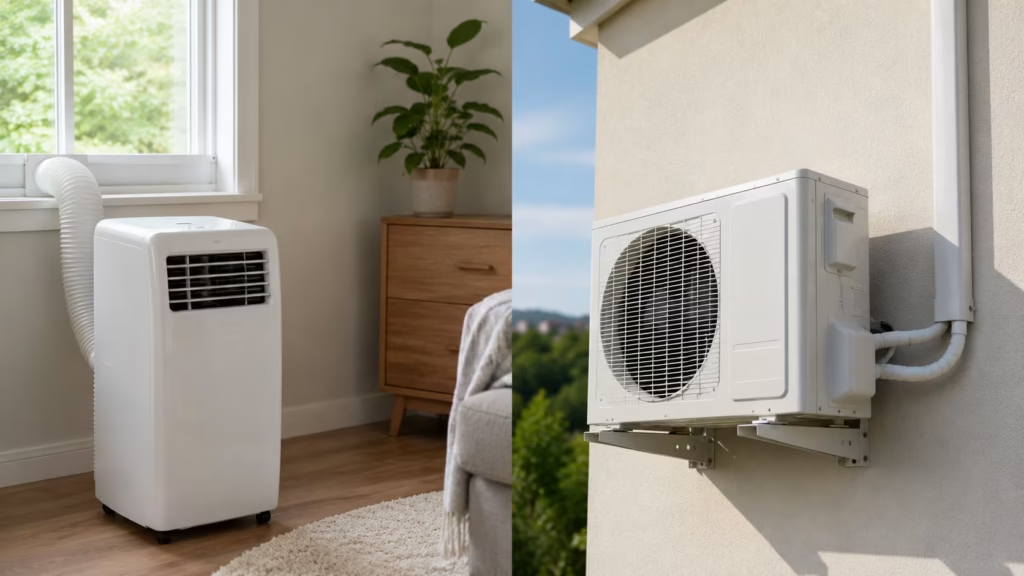
5. Portable Air Conditioners
A portable air conditioner is a portable freestanding air conditioner that vents hot air through a window hose. They are a flexible option among types of air conditioners for temporary or space-limited cooling requirements.
How It Works?
These devices pull warm air from the room cool it internally and expel the heat outside through a vent pipe that is fitted in a window or aperture.
Best Uses
Great for apartment rentals, temporary cooling, compact rooms, and places where window installation isn’t allowed.
Benefits
They provide quick mobility, simple installation and no permanent changes to the space.
Drawbacks
They are often less efficient, can be noisy in operation, and take up valuable floor space.
Energy Efficiency
Portable systems are often less efficient than fixed ones but are practical for small areas and for short-term cooling.
Maintenance Requirements
Routine maintenance is usually the same, such as emptying the condensate tank, cleaning filters, and inspecting the vent hose for proper airflow.
6. Inverter Air Conditioners
Inverter air conditioners are an advanced types of air conditioners category that use variable-speed compressors to adjust cooling output based on room requirements. These are high-end air conditioners built for reliable and effective cooling performance.
How It Works?
Unlike typical systems, the compressor runs constantly at changing speeds instead of switching on and off, thereby maintaining steady indoor temperature and minimized energy swings.
Best Uses
Ideal for residences with long cooling hours, energy-conscious users and office applications where consistent comfort is required.
Benefits
They have cheaper electrical expenses, quieter operation, better temperature stability, and longer compressor life.
Drawbacks
These machines have a higher initial cost and relatively significant repair requirements.
Energy Efficiency
They are one of the most energy efficient air conditioners assisting a lot in reducing the power usage over time.
Maintenance Requirements
The routine maintenance comprises regular filter cleaning and annual professional servicing to ensure optimum performance.
7. Smart Air Conditioners
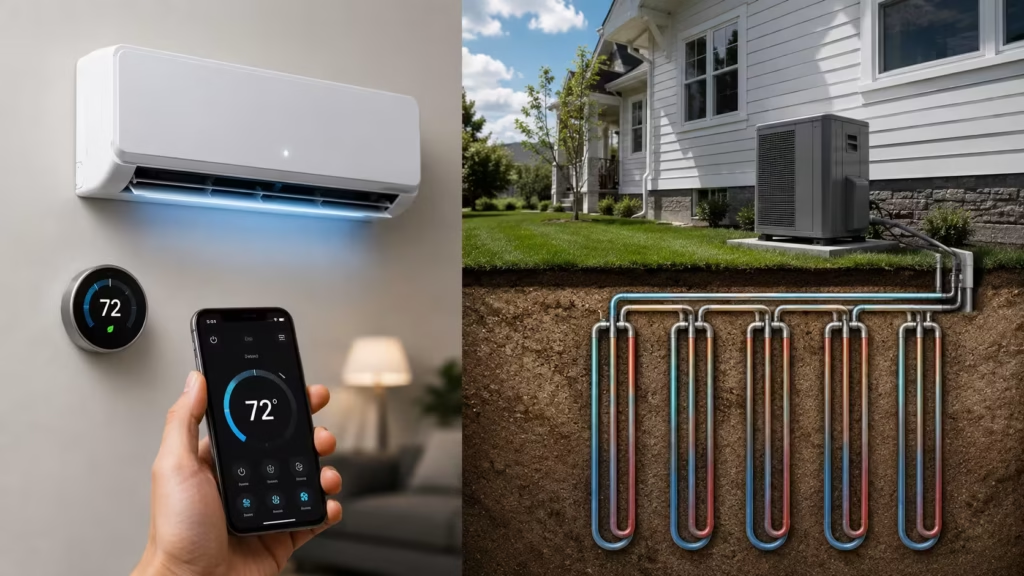
Smart air conditioners use Wi-Fi, sensors and app-based controls to give automated cooling and smart energy management. They are modern types of air conditioners designed for ease and efficiency in connected homes.
How It Works?
These devices can be connected to smartphones or smart home systems for remote control, scheduling and adaptive cooling depending on user preferences and room conditions.
Best Uses
Great for smart homes, busy professionals and energy-conscious houses who want automated climate management.
Benefits
These include remote access, voice assistant integration, smart climate management functions, and extensive usage tracking.
Drawbacks
They usually cost more, require Internet access and may not be compatible with particular platforms.
Energy Efficiency
They are very efficient due to automated operation and optimized cooling cycles that minimize unnecessary energy consumption.
Maintenance Requirements
Regular software upgrades, filter cleaning and sensor calibration are necessary to sustain performance.
8. Geothermal Air Conditioning Systems
Geothermal air conditioning systems utilize steady subsurface temperatures for highly effective heating and cooling. They are advanced types of air conditioners suitable for eco-friendly and long-term climate control.
How It Works?
Heat is transferred between the building and the earth through underground pipes, using the constant underground temperature of the earth to efficiently control the indoor climate.
Best Uses
Ideal for the environmentally-conscious homeowner, new development and long term residential properties with a focus on sustainability.
Benefits
They are efficient, friendly to the environment, have a long life of the system and much lower running expenses.
Drawbacks
These systems are quite expensive to install and have complex setup procedures.
Energy Efficiency
They are a benchmark of eco-friendly cooling solutions and innovative eco cooling technology with exceptional energy performance.
Maintenance Requirements
Little maintenance is required inside, other than periodic inspections of the subsurface loop system.
9. Hybrid/Dual Fuel Air Conditioners
Hybrid or dual fuel air conditioners combine electric cooling with alternative fuel heating systems for efficient year-round climate control. These are flexible types of air conditioners built to enhance energy efficiency across the seasons.
How It Works?
It transitions automatically between energy sources depending on weather conditions and demand for efficiency, keeping performance balanced and limiting energy waste.
Best Uses
It’s great for places with seasonal temperature fluctuations and for households looking to save energy and money in the long run.
Benefits
They cut utility bills, allow for variable energy use, and promote overall sustainability.
Drawbacks
These systems have higher installation cost and complicated control methods.
Energy Efficiency
Very effective in decreasing annual HVAC energy use by better energy switching.
Maintenance Requirements
To operate reliably, the heating, ventilating and air-conditioning system must be inspected often and the fuel system maintained routinely.
10. Packaged Air Conditioners
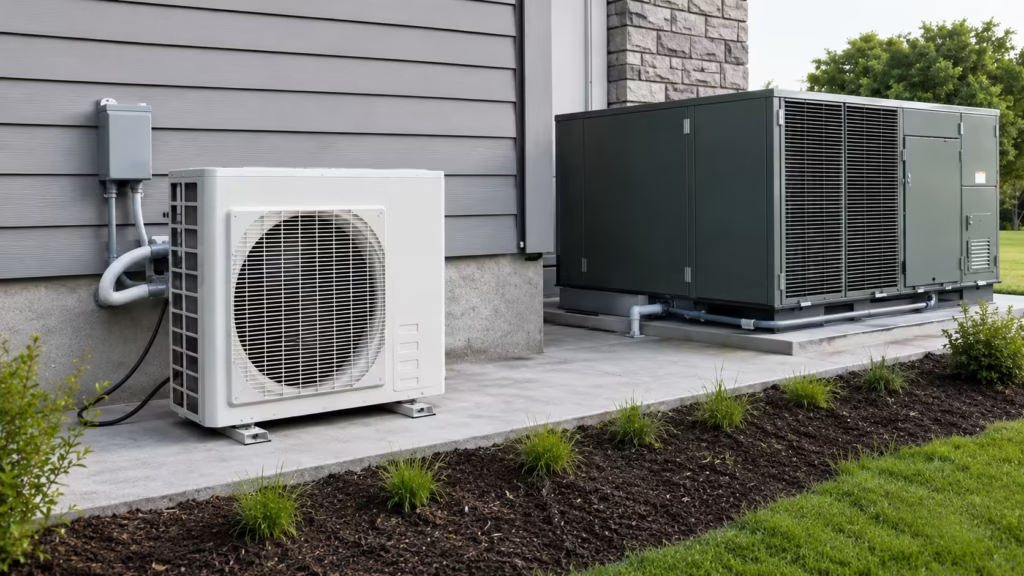
Packaged air conditioners are small systems that contain all of the cooling components in one outside cabinet. They are practical types of air conditioners for locations where the internal installation area is limited.
How It Works?
The system uses a central unit which cools the air and then circulates it around the interior of the building through a series of ducts, giving a constant flow of air to the rooms.
Best Uses
Ideal for households with limited inside space, commercial buildings and rooftop installations when indoor units are not possible.
Benefits
They save space, are easier to service and ideally adapted to compact building footprints.
Drawbacks
They still require suitable ducting to distribute air, and they are exposed to the elements.
Energy Efficiency
It has a medium efficiency, which relies on the quality of the model, installation requirements and the efficacy of insulation.
Maintenance Requirements
Routine maintenance involves checking cabinets outside, filter replacement and periodic service for best performance.
Comparing Different AC Systems for Home, Apartment, Office & Small Rooms
The selection of different types of air conditioners depends on the cooling requirements, convenience of installation and efficiency needs of different living and working environments.
Best AC For Home
Most households will find that split systems, ductless mini split AC systems, and central cooling systems are the greatest options in terms of comfort, efficiency and long-term performance.
Best for Apartment
Window units, split ACs, and portable air conditioners are perfect for flats because they’re easier to install, more flexible, and more affordable overall.
Best for Offices
Central cooling systems and smart air conditioners are being used to enhance work environments as they provide continuous interior comfort, greater temperature control and efficient management.
Best for Small Places
Window ACs and portable units are still viable for small rooms with low installation requirements and efficient cooling.
Cooling & Air Conditioning Solutions that Save Energy and are Kind to the Environment
As the cost of power and environmental concerns continue to rise considerably, consumers are increasingly choosing more energy-efficient air conditioners. The latest types of air conditioner are the energy focused air conditioners. These models are built for effective cooling and are engineered for long-term sustainability and reduced power use.
These state-of-the-art systems are a great option for the environmentally conscious, engineered to deliver the highest levels of performance without compromising on comfort.
Look out for:
- Variable-speed efficiency of compressors using inverter drives
- The higher the SEER rating the better the performance measurement
- Automatic operation, clever thermostat control
- Environmentally friendly refrigerants with low impact on environment
- Zoned cooling for energy management
Current green cooling technologies aim to reduce carbon emissions, while also providing comfort and saving energy indoors.
Latest Air Conditioning Technology and Smart Climate Control Systems
The latest air conditioning technology is transforming modern cooling solutions by integrating automation, intelligence, and smart energy management features. These advancements are reshaping how types of air conditioners operate, making them more efficient, responsive, and user-friendly. Modern systems not only focus on cooling but also enhance indoor comfort, air quality, and overall energy optimization.
Key Innovations Include:
- AI-powered temperature adjustment for adaptive cooling
- Occupancy-based cooling that responds to room usage
- Voice assistant compatibility for hands-free control
- Predictive maintenance alerts for better system care
- Smart climate control systems for automated efficiency
- Air purification integration for improved indoor air quality
These innovations significantly enhance comfort while reducing unnecessary energy consumption and improving overall system performance.
The Future of Air Conditioning and Eco Cooling Technology
The future of air conditioning industry will be characterized by sustainability, better performance and lower environmental impact. Development of next-generation air conditioning systems is in progress to improve energy efficiency and deliver effective cooling, mainly for environmental sustainability.
This combination of intelligent automation and renewable energy sources is creating a shift in the HVAC industry with these developments achieving enhanced performance.
The Emerging Trends include:
- Solar cooling systems based on renewable energy
- Modern, eco-friendly cooling technology that is more efficient and uses refrigerants that do not emit carbon dioxide and are less detrimental to the environment.
- Smart, adaptive air conditioners with sophisticated controls
- HVAC systems energy exchange networks for optimized consumption
In the future, air conditioning systems will be designed to address increasing environmental concerns, striking a compromise between excellent cooling performance and long-term sustainability.
Conclusion
When you’re buying an air conditioner, you need to consider your living area, budget, cooling needs and energy goals. There are various types of air conditioners on the market, offering several possibilities from basic room cooling to complex whole-house systems that are designed to be as effective as possible.
Window units and portable air conditioners are both budget cooling choices for apartments and single rooms. Split systems and ductless micro split air conditioning units are perfect for modern homes that require flexibility and effective performance. In larger houses and offices the cooling system is most typically a central system. Smart air conditioners and inverter air conditioners are energy saving and provide more advanced control on the other hand.
The geothermal and hybrid cooling systems are among of the most innovative and eco-friendly options home owners have at their disposal for cooling. By knowing how air conditioners function and reviewing your options, you will be able to choose the ideal type of air conditioner for your house and enjoy a comfortable, energy-efficient interior atmosphere for many years to come.