A car’s suspension system does so much more than make the ride comfortable. This enhances the contact of the tyres with the road, helps with steering control, improves braking performance and supports the overall stability of the vehicle. As suspension components wear down drivers might experience a loss of comfort, poor handling and increased tire wear. Understanding the necessity of car suspension system repair may assist prevent costly damage and provide safe driving conditions.
From my experience with vehicle maintenance issues, many drivers tend to overlook early warning signs with the suspension because the vehicle still seems drivable. At first all the small sounds, moderate sensations, occasional bouncing seem to be innocuous. However, I have seen these little signs escalate into pricey repairs if left too long. Early suspension work is generally less expensive and better for the overall performance of the vehicle.
READ MORE: Axle in Automobile: Why Axles Matter and Different Types Explained
What Is a Car Suspension System?
Suspension system is a set of parts that link the automobile body to the wheels. The tire’s principal job is to cushion road shocks, maintain traction and give a comfortable ride.
So when a car hits a bump, a pothole or an uneven patch of road, the suspension system absorbs the shock and distributes it. This permits the tires to remain on the road, while reducing passenger discomfort.
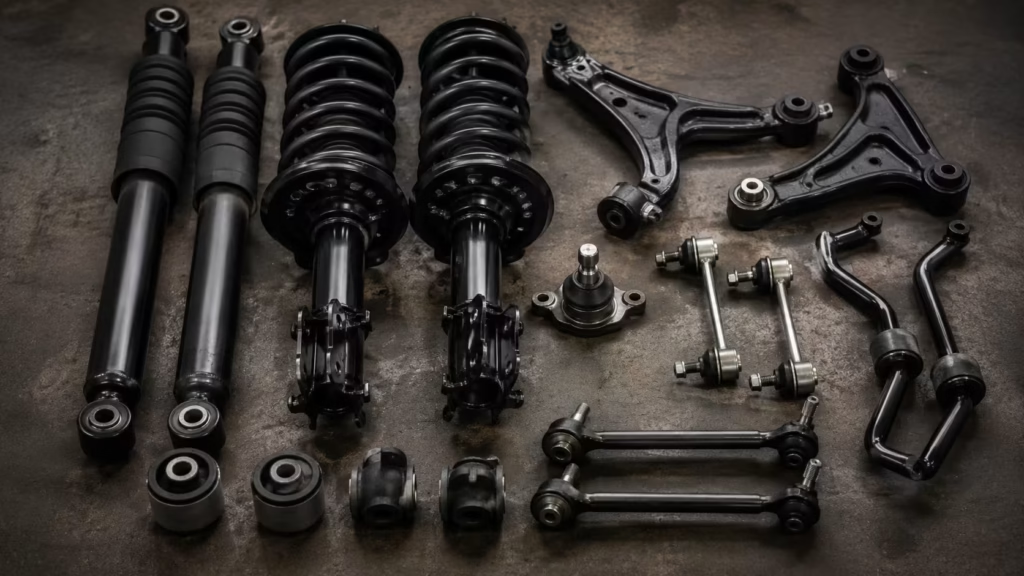
Major suspension components include:
- Shock absorbers
- Strut
- Coil or leaf spring
- Control arm’s
- Ball-Joints
- Buchings
- Sway Bar Links & Sway Bars
Each component is vital for vehicle control, ride quality and safety. If any of these pieces fail, you may need to fix your car’s suspension immediately to avoid further damage.
Common Signs You Need Car Suspension System Repair
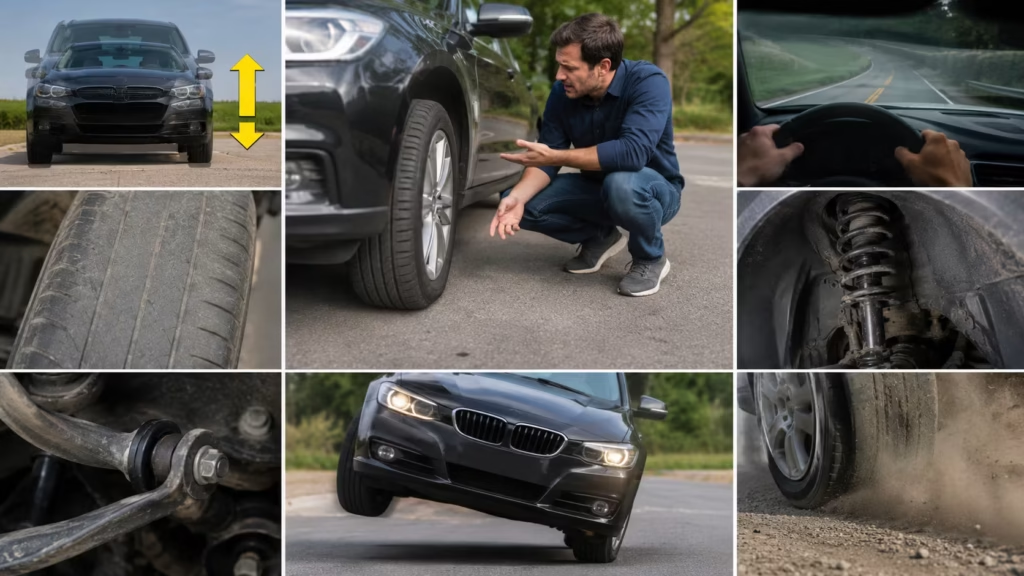
Catching the early warning symptoms can prevent more catastrophic suspension damage.
Excessive Bouncing
If your car keeps bouncing after going over a bump, it may be that your shocks or struts have worn out and are no longer managing the spring movement well.
Vehicle Pulling to One Side
Worn bushings or alignment problems might cause the car to slide while driving. Problems with the suspension.
Uneven Tire Wear
Irregular tire wear patterns generally suggest a suspension misalignment or worn suspension elements that are influencing the tire contact.
Clunking or Knocking Noises
Clunking noises on bumpy roads are usually caused by loose ball joints, worn control arm bushings or broken sway bar linkages.
Steering Instability
Problems with steering ability or free play in the steering wheel might indicate suspension degradation.
Nose-Diving During Braking
If the front shocks are worn out, the front end will tend to dip excessively during braking.
Rough Ride Quality
One of the most typical signs of a problem with your suspension system is a bumpy or unpleasant ride.
Most Common Suspension Problems and Repairs
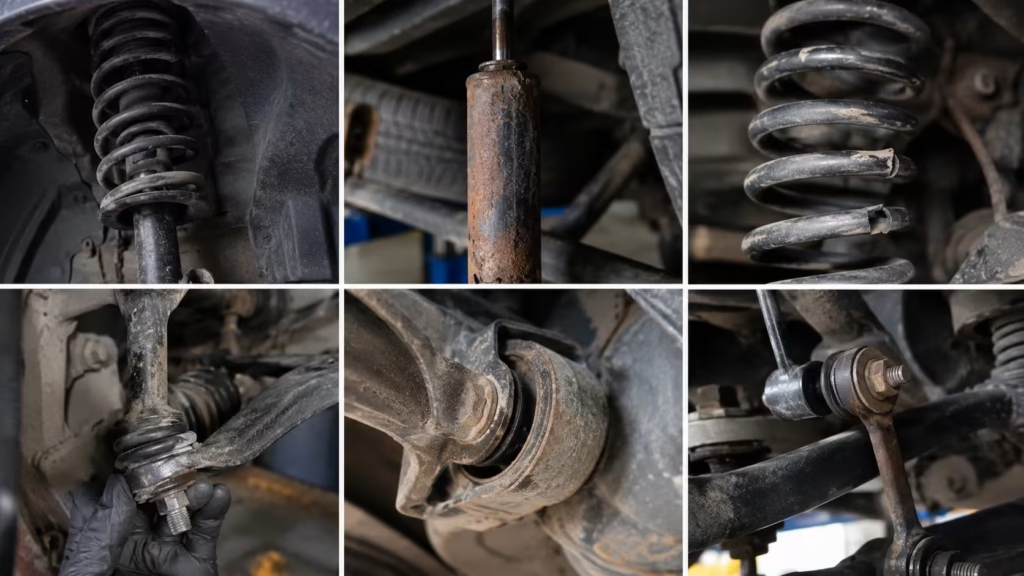
Worn Shock Absorbers
Over time, shock absorbers lose their capacity to attenuate suspension movement because to age, mileage and road conditions.
Symptoms: Excessive bouncing, poor handling, increased stopping distance.
Repair Process: Most mechanics change shocks in pairs to preserve suspension performance balance.
Safety Impact: The less grip the road has, the greater the braking distance.
Damaged Struts
Struts are shock absorbers and structural supports. Stuck struts really may throw off your steering and handling.
Symptoms: Uneven tire wear, significant body roll, vehicle instability.
Repair Process: It is generally suggested to replace the entire strut assembly.
Safety Impact: Loss of control and accuracy of steering.
Broken Coil Springs
Coil springs support the weight of the car and cushion the impact of the road.
Symptoms: Loud sounds, inconsistent posture, saggy riding height.
Repair Process: Replacing broken springs and checking associated parts.
Safety Impact: Reduced load carrying capacity and vehicle handling instability.
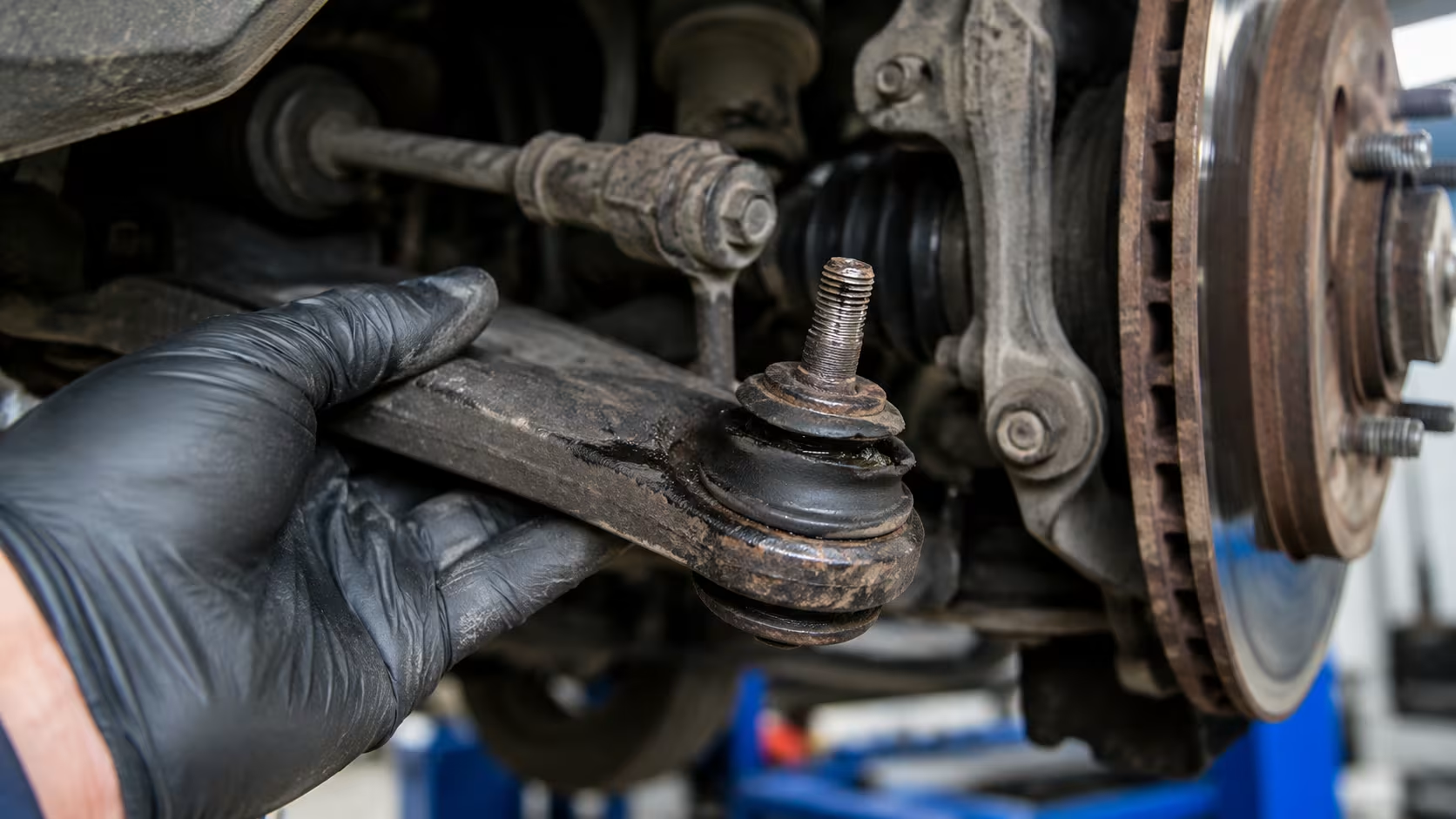
Worn Ball Joints
Ball joints permit suspension movement while supporting steering action.
Symptoms: Clunking noise, loose steering, uneven tire wear.
Repair Process: Worn ball joints are replaced and a wheel alignment performed.
Safety Impact: Failure of the ball joint might result in loss of steering control.
Failed Control Arm Bushings
Bushings isolate vibration and allow suspension movement.
Symptoms: Vibration, knocking sounds, steering instability.
Repair Process: Bushing replacement or complete control arm replacement.
Safety Impact: Poor handling and accelerated suspension wear.
Sway Bar Link Problems
Sway bar links help reduce body roll during turns.
Symptoms: Rattling noises, excessive leaning during cornering.
Repair Process: Replacement of worn sway bar links.
Safety Impact: Reduced vehicle stability during emergency maneuvers.
I’ve worked on several suspension repairs that started with a little squeak that the owner thought was typical wear. A little bump over speed bumps, a little bit of vibration in the steering, it doesn’t appear urgent. Unfortunately, such symptoms often get more pronounced as components continue to degrade. If there are difficulties, the remedy may be a multi-piece suspension component rather than one simple affordable fix.
Car Suspension Repair Cost Breakdown
The cost of automobile suspension repair varies based on the kind of vehicle, labor rates, quality of parts, and the amount of the damage.
| Repair Service | Estimated Cost |
| Shock Absorbers | $150–$600 |
| Replace Struts | $300–$1,200 |
| Replacement of Coil Springs | $250–$800 |
| Ball Joints Replacement | $200–$700 |
| Control Arm Replacement | $300–$1,000 |
| Suspension Revamp | $1,000–$5,000+ |
The total cost to restore your automobile suspension will depend on a few things:
- Make and model of vehicle
- OEM vs. aftermarket parts
- Labor intensity
- Front or rear suspension build
- Component damage extent
Can You Drive With a Damaged Suspension?
You can drive with suspension problems, but further driving can increase dangers.
If the suspension components are not working well, your brakes may not work as well, your tires may wear out faster and your steering may not respond properly.
The poor suspension performance also inhibits the vehicle’s ability to maintain traction during rapid movements or emergency braking conditions.
Problems with the suspension might eventually destroy tires, wheel bearings, steering parts and alignment. For security reasons, always get the car suspension repaired at the first symptoms.
How to Extend the Life of Your Suspension System
Proper maintenance can greatly lessen the need for extensive suspension repairs.
- Take the time to check suspension components during normal service visits.
- Don’t forget to get your wheels aligned periodically.
- Keep your tires at the optimum pressure.
- Avoid potholes and rough road impacts as much as possible.
- Change worn suspension parts fast.
- Rotate tires as advised by manufacturer.
- Deal with odd noises promptly.
Conclusion
Having a healthy suspension system is important to the safety, comfort and handling performance of your car. Understanding the typical faults and early warning signals associated with a suspension can help drivers avoid expensive repairs and unexpected breakdowns. Prompt automobile suspension system repair not only enhances the ride quality but also safeguards other vehicle components from undue wear.
From my experience, suspension repairs are one of the most often put off vehicle maintenance jobs, because the car still runs. But when they delay repairs, little problems often impact other areas, leading to a higher overall repair bill. Drivers who take care of suspension problems early usually pay less money and have a safer, more predictable driving experience. One of the best investments you can make for long term durability of your vehicle is proper automobile suspension system maintenance.