Types of Metals: We have metals all around. Metals are very important in the contemporary world, and from the phone in your hand to the bridges, vehicles, and buildings, which we use on daily basis, metals are of great importance.
Making things stronger and more efficient Metals have been studied, perfected, and innovated by humans to use as tools, machine, and technology since thousands of years.
What is a Metal?
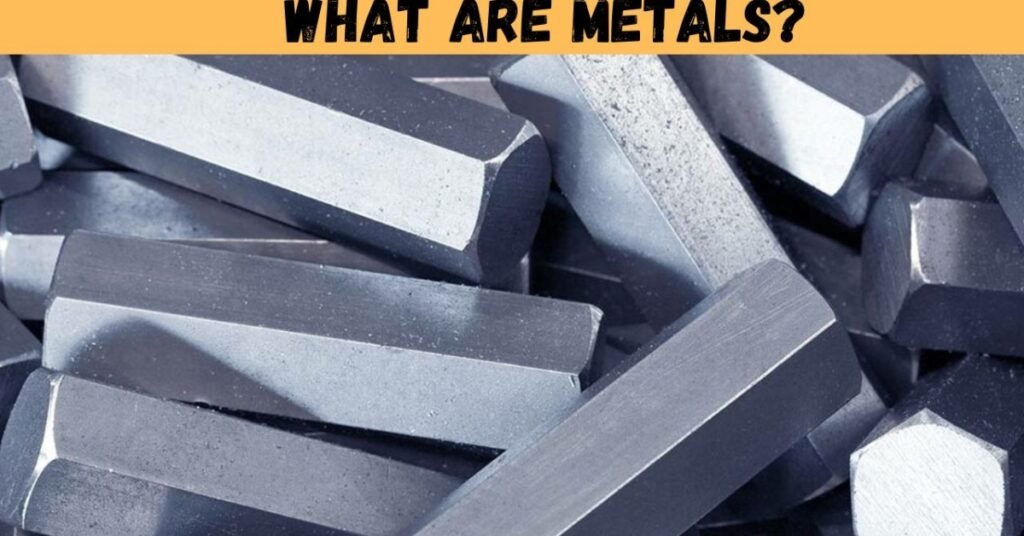
A metal is a material which tends to have a great capacity of conducting both heat and electricity. Most metals, also, shone when polished, and could easily be bending into various shapes.
Metals can be beaten into thin sheets, drawn into wires and also molded into intricate shapes. As a result of this flexibility, they are very convenient in production and engineering.
The strength and durability is also another key characteristic of metals. Most of the metals are resistant to high temperatures and intense pressure making them suitable in constructing machines, vehicles, and massive structures.
In most cases, scientists categorize metals according to the availability of iron. Under this approach, three major classes of metals are subdivided.
Ferrous Metals -These are metals that have iron. They are powerful and are usually applied in construction and engineering.
Non-Ferrous Metals– These are the metals that lack iron and tends to be leaner and corrosive resistant.
Alloys– These are metals formed as a combination of two or more elements in order to enhance their strength, durability or any other characteristics.
The classification assists industries to select the appropriate material to apply in a particular application.
Significant Metallic Properties
Each metal is different in terms of how it responds to physical, mechanical and chemical characteristics. The knowledge of these properties assists engineers and manufacturers to choose the appropriate material to be used in various applications.
The notable features of metals are:
- Metals can be hammered or pressed into thin sheets and this indicates how malleable they are.
- They are ductile, which means that they can be pulled into wires without getting damaged.
- The metals are efficient conductors of heat and electricity.
- They are typically very strong and able to hold huge loads.
These characteristics contribute to the fact that metals are the right material in electrical system, building, machinery, transportation and in endless industrial applications.
Some of the most significant Metals in use in industries.
Metals and metal alloys are thousands in number, but certain ones are much more frequently used. We shall discuss some of the most significant ones.
Steel
Steel is a material that is widely used in the world. It is a combination of iron and carbon, the proportion of which is most often less than 2 percent carbon impurity.
Due to its strength and durability, steel is applied in buildings, bridges, vehicles, tools, machinery, and infrastructural projects. Steel can be found in almost any industry, starting with sewing needles to oil tankers.
Iron
Iron is also among the oldest and widely used metals. It is plentiful, inexpensive and it is a raw material of most other metals.
There are three major forms of iron, which are:
- Pig Iro Raw iron, which is produced in blast furnace using iron ore.
- Cast Iron- This is a mixture of Iron and carbon with other components and is typically used in pipes, engines, and machine parts.
- Wrought Iron It is a very pure form of iron which is tough, ductile, and resists corrosion.
These variations enable iron to be applied in building, tools, ornaments, and in heavy machinery.
Aluminum
Aluminum is a lightweight metallic material that is characterized by great resistance to corrosion and decent conductivity to electricity. It is roughly a third the weight of steel, which is very valuable in the weight-sensitive industries.
Aluminum is a popular material because of its dexterity and lightness; it is used in:
- Aircraft and automobile parts.
- Electrical transmission lines and cables.
- Packaging materials
- Construction materials and household products.
Aluminum alloys are even stronger and more durable when they are combined with small quantities of other metals.
Copper
Copper is a soft, ductile and highly conductive metallic element of reddish-brown colour. Actually, copper happens to be a significant conductor of electricity and this is the reason it is very important in application in electricity.
The electrical wiring, electronic components, plumbing pipes, coins, and household utensils are usually made of copper. It is also easily rolled into sheets, wires and tubes.
Copper is one of the important metals in electrical and electronic industries due to its high conductivity and reliability.
Brass and Bronze
Bronze and brass are two crucial alloys of metal, which are based on copper. Brass is a combination of zinc and copper. It is tough, resistant to corrosion and it is simple to shape. Locks, gears, valves, and ornamental hardware are usually made of brass.
Bronze on the other hand is a mixture of copper and tin. It is more difficult than the brass and very much resistant to wear and corrosion. Ship parts, turbine blades, bearings, and sculptures are often made of bronze.
Both alloys have been important in the history of mankind and they remain important in the engineering world today.
Titanium
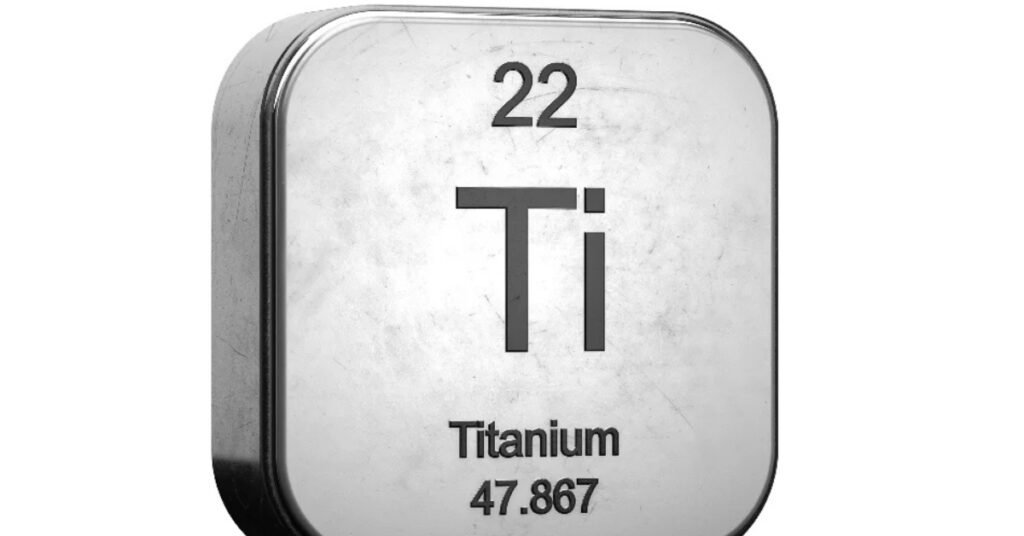
Titanium is a powerful but light metal which is characterized by high corrosion resistance. It has common application in aerospace, medical equipment and high performance engineering.
Titanium alloys find extensive application in aircrafts, automobile products, cell phones and industrial machines due to their ability to offer strength without compromising excess weight.
Precious Metals
There are those that are rare and of high value. These are referred to as precious metals.
The most popular examples are gold and silver. Gold is soft and very malleable and it is also corrosionproof, therefore it is used in jewelry and electronic parts.
Frequently Asked Questions(FAQs)
What is the number of periodic table metals?
Scientific classifications state that the periodic table has approximately 94 metals.
What are ferrous metals?
Ferrous metals refer to the metals that have iron e.g. steel, cast iron and wrought iron.
What is the distinction between brass and bronze?
The casting of brass is composed of copper and zinc, and that of bronze is composed of copper and tin.
What is the best metal in electrical conductivity?
Among all metals, Silver is regarded as the most good conductor of electricity.
What are the reasons why aluminum finds extensive application in industries?
Aluminum is light, non-corrosive, and shapeable thus it can be used in transportation, construction and electrical purposes.
Disclaimer: This article is written as an educative and informational one. Although special care has been taken, to make the information as accurate as possible, the properties, classifications and uses of the metals could be different according to the standards of industry, manufacturing methods and the scientific discoveries.