Have you ever lifted the hood of your vehicle and looked into the mass of metal, tubes and wires and wondered what the hell is happening down there? You’re not alone. We all drive day by day without much idea of what is going on under that hood.
And yet there is a kind of magic in there within that metal shell, with thousands of controlled explosions, spinning shafts and carefully timed movements all playing in that perfect harmony, all just to move you between point A and point B.
What Exactly Is a Car Engine?
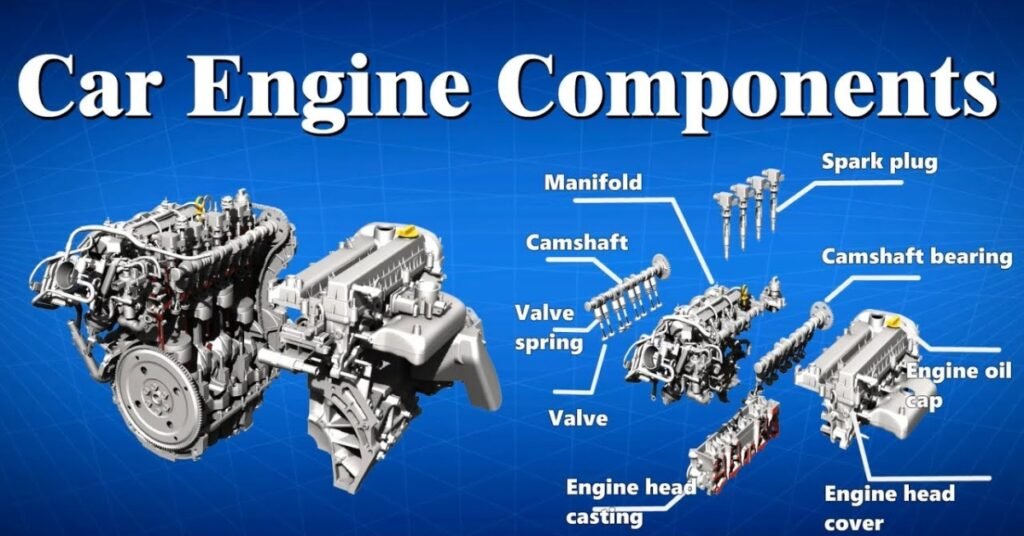
A car engine is just a machine at its simplest, and this machine changes fuel into motion. This it does by a process known as internal combustion which is really nothing more than burning gas in itself to produce energy. That energy is then translated into the mechanical force that eventually rotates your wheels and propels you in your car along the road.
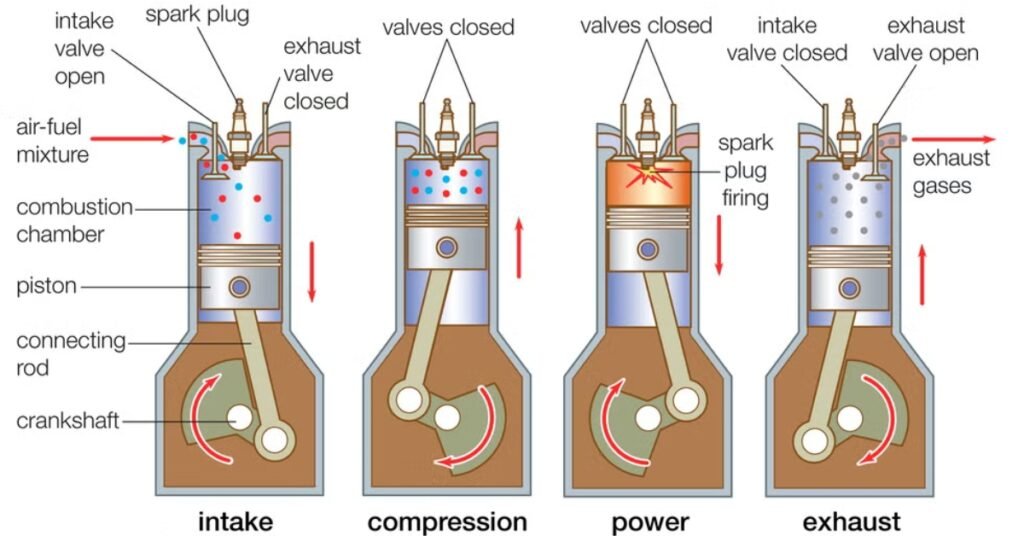
The common type of internal combustion engines in the modern world is what we call the four stroke engines. They operate on gasoline/diesel and with the help of a series of events that occur at specific times intake, compression, combustion, and exhaust, everything keeps the engine going. Imagine a battle of choreographed dance, which occurs in hundreds of repetitions every minute, in can-sized metal cylinders.
Even more impressive is the fact that these engines have become efficient and reliable. The engine used may only transform approximately 20 percent of the energy of the fuel into actual motion, with the rest being wasted away as heat and friction, but through the type of engineering of the decades it has never been more clean, powerful, and of course durable than it is now.
The Question of How a Car Engine Works
Imagine a bicycle. It is the pushing of the legs on the pedals and that push-pull movement is then turned into the moving of the wheels in a circle. The engine of a car is driven on a much similar principle, only that, in place of your legs, it has pistons, and in place of your muscle power, it has the explosive power of the burning fuel.
The engine contains cylinders, which are metal tubes, whereby the pistons travel up and down. When fuel combines with air in a cylinder, and when it is ignited by a spark, the mini-explosion that results drives the piston down. It is that downward force that rotates a shaft known as the crankshaft which ultimately drives the wheels of your automobile. Easy in the concept, and easy to gasp at.
All this occurs in four different strokes and this combination is known as the combustion cycle. Each cycle lasts just a fraction of a second and in a running engine this is occurring concurrently in many, many cylinders.
The Four Stroke of the Combustion Cycle
It all starts at the intake stroke. The piston descends in the cylinder, vacuum develops which draws in a blend of air and fuel into the cylinder via the open intake valve, similar to a syringe sucking up the liquid. This blast of air and fuel would serve as the fuel in the next explosion.
This is followed by the compression stroke. The intake valve is closed and whether pressure is added or subtracted, the cylinder is closed. The piston then swings back up forcing the air-fuel mixture into a very small space. The compression is essential- the closer the mixture is compressed the more explosive it will be when ignition will take place.
Next comes the moment of truth; the power stroke. A spark plug releases a small electric burst, which lights up the compressed air-fuel mixture. The resultant combustion that is controlled explosion drives the piston down with great force. The actual power of the engine is found here. All events that precede this stroke are there to bring this moment into existence.
Lastly, the exhaust stroke dumps the stage to the next cycle. The exhaust valve is opened and the piston goes back to the cylinder pushing the burnt gases out to the exhaust system. After the cylinder has been emptied, the entire process repeats itself; intake, compression, power, exhaust, over and over, thousands of times a minute.
The Pieces of What Makes It All Happen
And now that you are acquainted with the mechanism, we will take a look at the actors. An average internal combustion engine consists of approximately 200 separate components with a distinct duty. These are the most important ones that you should know.
The Engine Block The Machine That Makes It All
Had the engine been a building, the engine block then would be its foundations and walls. This is a huge structure, which is normally cast iron or aluminum, and serves as the primary engine body. It contains the cylinders in which combustion occurs, and also internal passages in which the oil and coolant pass through. All the other parts of the engine are internal organs or connected with the block. When a mechanic refers to the short block or long block of an engine, he is referring to the block and its central elements.
Pistons: The Muscle Behind Every Move
Pistons are the cylindrical items that move up and down the cylinders. They are the instant beneficiaries of the force of combustion and their movement that finally produces power that gets your car going. Pistons at high engines speeds can go up and down thousands of times per minute. They are designed to resist massive heat and pressure and they collaborate with piston rings so that they can have appropriate seal and excellent flow.
The Crankshaft – The Transformation of the Push into Spin
The miracle of motion conversion takes place here. Crankshaft absorbs the up and down linear movement of the pistons and converts it into the rotational movement required to move your wheels. It is located beneath the engine block and is joined on to each piston using connecting rods. Imagine it to be the crank of a old fashioned ice cream maker- when you push it down it spins. Crankshaft is one of the most precisely made components of the whole engine.
The Camshaft -The Clockwork of the Engine
The correct timing of the intake and exhaust valves is brought about by the camshaft. It synchronizes with the crankshaft with a timing belt or chain, such that the valves open and close exactly when they are supposed to in the combustion cycle. The modern automobile is likely to have a camshaft in the cylinder head, the so-called overhead cam design that enhances efficiency and performance. The whole timing of the engine is disintegrated without a well-operating camshaft.
The Timing Belt -Keeping Everything in Line
The timing belt is the silent organizer that ensures that the crankshaft and the camshaft are in perfect sync. It is made of high-density rubber with teeth to hold onto the pulleys so that each of the valves opens and closes at the exact time the piston is in its correct position. Broken timing belt can be disastrous – the collision of the pistons and the valves may lead to the extreme damage of the engine. That is why the timing of replacement of the belts should never be disregarded.
Spark Plugs — The Spark of Life
It has barely any size, but it is absolutely necessary; spark plugs are the ones that come into effect to trigger the compressed mixture of air-fuel in each cylinder. Every plug creates a small, yet strong electrical discharge at exactly the appropriate time – created by the ignition system – to initiate the combustion that propels the piston downwards. The spark plugs need to be able to withstand high temperatures and high electrical power, and damaged plugs may cause misfiring, low fuel efficiency, and slow performance. They form one of the most vital components of maintenance to any gasoline engine.
The Cylinder Head — Here Comes the Fire of Combustion
The cylinder head is the topmost part of each of the combustion chambers and it is directly positioned on top of the engine block. It contains the valves, spark plugs and in most modern engines it also contains the castershafts. The cylinder head holds both intake air and exhaust gasses passages, it is a very important crossroads of all the things which enter and leave the engine. It is hermetically sealed to the block with the help of a head gasket. Leaks of coolant, overheating, and severe performance are a few of the effects the cracked or warped cylinder head may cause.
Engine Valves The Gatekeepers to the Combustion Chamber
Each cylinder contains no less than two valves: an intake valve, which allows air and fuel in and an exhaust valve, which allows burnt gases to exit. Still other performance engines have four valves per cylinder to achieve an even better flow. These valves go open and close at a split-second, which are operated by the camshaft. As they begin to wear or malfunction, a coarse idle, loss of power, excessive use of oil or excessive exhaust smoke may be observed.
The Gudgeon Pin and the Connecting Rod – The Chain of the Chain
The physical bond that connects the piston and the crankshaft is called the connecting rod. The force of the pushing action of the piston is then passed on the crankshaft when the piston goes down and is turned into rotation by the connecting rod. A small pin called gudgeon pin (or wrist pin) is added at the end of the connecting rod to ensure that the connecting rod is attached to the piston so that it can move and pivot. Failing connecting rod It can be a solemn affair to have a failing connecting rod, which is usually indicated by a heavy knocking in the engine.
Piston Rings — Sealing the Deal
Piston rings are thin metallic rings encircling the outer of the pistons and have a number of significant functions to carry out. They block the way the combustion chamber is used and this is to keep the gases contained, to assist in transferring heat to the cylinder walls and to also control the amount of the oil that coats the sides of the cylinder. When piston rings are worn, you will notice blue or grey exhaust smoke, excessive oil use and the engine will also experience a substantial loss of power.
The Flywheel -Smoothing out the ride
The flywheel is a heavy disc, which is connected to the rear side of the crankshaft. It has the role of storing the rotational power as well as smoothing out the engine power supply. Due to the short pulse combustion, the engine would otherwise run with a jagged, uneven motion. The mass of the flywheel absorbs those pulses and emits energy between firing strokes, keeping the crankshaft revolving continuously. In cars having automatic transmission, a lighter part is used, and this is termed a flexplate.
The Unsung Hero: The Head Gasket
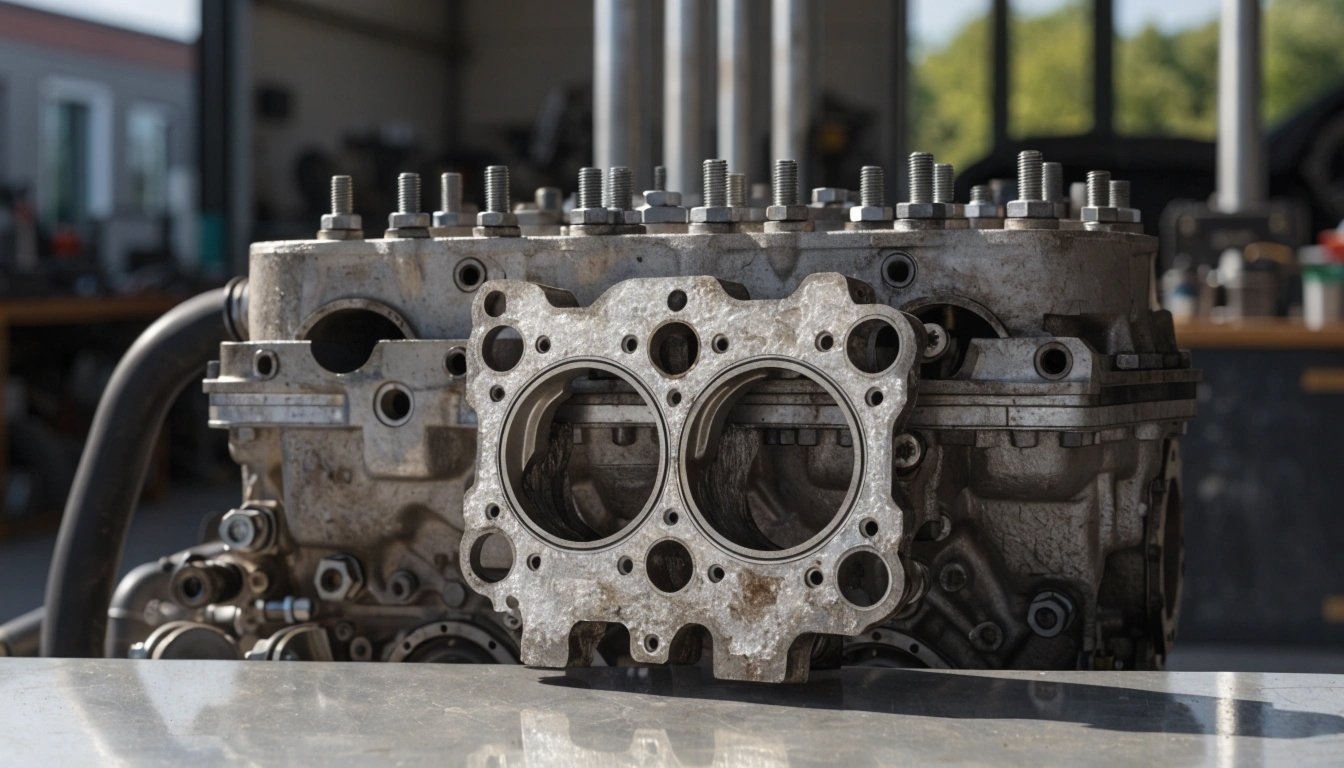
Squeezed in between the engine block and the cylinder head, the head gasket may look like very little, however, what it does is very crucial. It forms a seal that contains the combustion gases in the cylinders and stops the leakages of the coolant or oil to the wrong locations. One of the most dreaded issues in the engine is a blown head gasket, which tends to lead to overheating, white smoke on the exhaust and polluted engine oil. It is a tiny entity that has a very huge role to play.
Introduction to the Oil Pan and Lubrication System -Friction at Bay
The lowest part of the engine is the oil pan that contains the supply of lubricating oil to the engine. This oil is pumped by the lubrication system to flow through small openings all through the engine to a thin layer coating parts of the engine which is in motion thereby cutting down on friction and wear. In the absence of adequate lubrication, the metal components within the engine would be ground against themselves and wear themselves out in just a few minutes. This is supported by the oil filter which helps trap damaging particles and debris to ensure that the oil remains clean and efficient.
The Cooling System: Making Things Not Boil Over
A lot of heat is generated in an engine and unless there is a means of letting out that heat, the engine will soon burn itself off. To remove the heat generated by the engine, the cooling system in the engine is cooled with a mixture of water and antifreeze coolant which is circulated by a water pump and expelled via the radiator.
A thermostat controls the temperature of the engine so that it can be in the best range that is not too hot, and not too cold. One of the most popular causes of great engine damage is overheating; therefore, cooling system is one of the most significant systems of your car.
The Airways of the Engine Intake and Exhaust Manifolds.
The incoming air is evenly distributed to all the cylinders through the intake manifold and the exhaust manifold recycles burnt gases produced by all the cylinders into the exhaust system.
Imagine them as the lungs of the engine with one end of the engine taking fresh air in and the other end of the engine getting used gases out. A leak or crack in any of the two manifolds may severely damage engine performance, fuel economy, and emissions.
Precision Fuel Delivery Fuel Injectors
Gone are the days when the carburetor would just pour fuel into the intake. Fuel injectors have been introduced in modern engines to inject into the cylinders or intake ports the correct and exact amounts of fuel at the correct time.
This accuracy makes the fuel consumption, power and emission very efficient. The whole fuel delivery system that consists of the fuel pump, fuel lines and injectors all collaborate to make sure that the engine receives all the fuel it requires at all times.
Throttle Body and Air intake Breathing easy
The air enters the air intake system before it reaches the cylinders and it has an air filter to filter dust and debris. The throttle body then regulates the amount of that clean air that gets into the engine effectively regulating the speed and power output of the engine.
By pressing the accelerator pedal you are basically opening the throttle further letting more air flow in, hence more fuel can burn, hence more power can be generated.
The Distributor — The Director of the Spark
In older automobiles, high-voltage electrical pulse in the ignition coil was directed to each spark plug in the proper sequence by the distributor. Although the distributor is now being phased out of the engine by many modern engines in favor of computerized methods of ignition, it is still a well-known aspect of engine history. Failure by a distributor results in misfiring, stalling or even a failure to start at all.
Turbochargers and Superchargers – When You Need More Power
In some cases the normal engine is not good enough and that is where forced induction is used. Compression of air flowing into the engine is done by both the turbocharger and the supercharger enabling more fuel to be burned and creating a lot more power equal to the size of the engine.
A turbo charger is powered by exhaust gases and this makes use of the unused energy which otherwise goes to waste and would be used to rotate a turbine that drives in more air. This is made possible by a belt connecting a supercharger to the engine. They each have their own character, the turbos are better at a higher speed and the superchargers are fast with no lag at all.
Frequently Asked Questions (FAQ)
Q: What is the number of components of a normal car engine?
An average internal combustion engine has approximately 200 different parts which must all be operating concurrently. This is among the reasons to believe that electric vehicles with much less moving components are thought of as being simpler to mechanically operate, but the internal combustion engine is still an engineering marvel.
Q: What will occur when the timing belt fails?
In the case of a timing belt at the time of engine operation, the camshaft halts but the crankshaft and the pistons keep on moving. It may lead to collisions of the pistons with the open valves causing severe and in most cases disastrous engine damage. There are timing belts with specific replacement period that are offered to most manufacturers, and it is of paramount importance to adhere to these instructions.
Q: My engine is creating white smoke through the exhaust, why?
The exhaust smoke is normally white or grey, which is an indication that the coolant or water is flowing into the combustion chamber and burning together with the fuel. This is normally because of a burst head gasket, a broken cylinder head or a broken engine block. This should be taken care of as soon as possible because driving with such a condition will cause serious engine damage.
Q: What is the frequency of changing engine oil?
This will depend on your vehicle and the form of oil that is used. Most of the current generation of vehicles that use synthetic oil can cover a mileage of between 7,500 to 10,000 miles or more before changing the oil, whereas older or those that use the conventional oil can cover a distance of between 3,000 and 5,000 miles before changing the oil. Any owner of your vehicle will always follow the recommendation of the manufacturer as suggested in their owner manual.
Q: How do you explain when an engine in a car knocks?
The most common causes of engine knocking that metallic rapping or tapping noise include from abnormal combustion occurring in the cylinders (so-called detonation) or damaged connecting rod bearings, which is often known as rod knock. Both problems are to be considered in time as they may develop very quickly and cause severe internal engine damage in case they are not addressed in time.
Question: Is it safe to drive with a misfiring engine?
Although misfiring engine does not always mean that you will automatically get stuck on the road, it is not advisable to continue driving with a habitual misfire. Bad spark plugs, malfunctioning ignition coils, or just problems with the fuel delivery, or more severe ones such as the failure of the valves or piston rings can lead to misfires. Driving with misfire is likely to ruin the catalytic converter, burn fuel and possible create severe effects on the engine in the long run.
Q: How do a turbocharger and a super charger differ?
The two devices push more air into the engine to create more power, but each of them obtains their energy in different sources. It uses exhaust gases that it harvests to power a turbocharger that would otherwise be wasted. The engine independently drives a belt that houses a supercharger. Turbochargers are more economical to use, and superchargers offer higher response in power, without lag.
Disclaimer: The data in the article is to be considered as general educational and informational purposes only. Although this has been done as much as possible to make sure that the information contained here is accurate, it is simplified to allow easy access and it might not be representative of the engineering or mechanical peculiarities of all vehicles of certain makes and models.