5-Speed vs 6-Speed Transmission Explained: When you are driving a car, you do not necessarily think about what is going on under the hood. Nevertheless, one of the most crucial elements that has a direct influence on your driving experience is the transmission.
Whether you are on a highway or you are in city traffic, the gears in your car mean a lot in terms of performance, fuel consumption and comfort. Have you ever heard such words as 5-speed or 6-speed, transmission and did not understand what they actually were? This guide will simplify everything and make everything clear.
5-Speed vs 6-Speed Transmission Explained
| Feature | 5-Speed Transmission | 6-Speed Transmission |
|---|
| Number of Gears | 5 forward gears | 6 forward gears |
| Driving Style | Simple and smooth | More control and flexibility |
| Fuel Efficiency | Good | Better at highway speeds |
| Performance | Decent | Improved acceleration |
| Highway Comfort | Moderate | More relaxed and quiet |
What Is a 6-Speed Transmission?
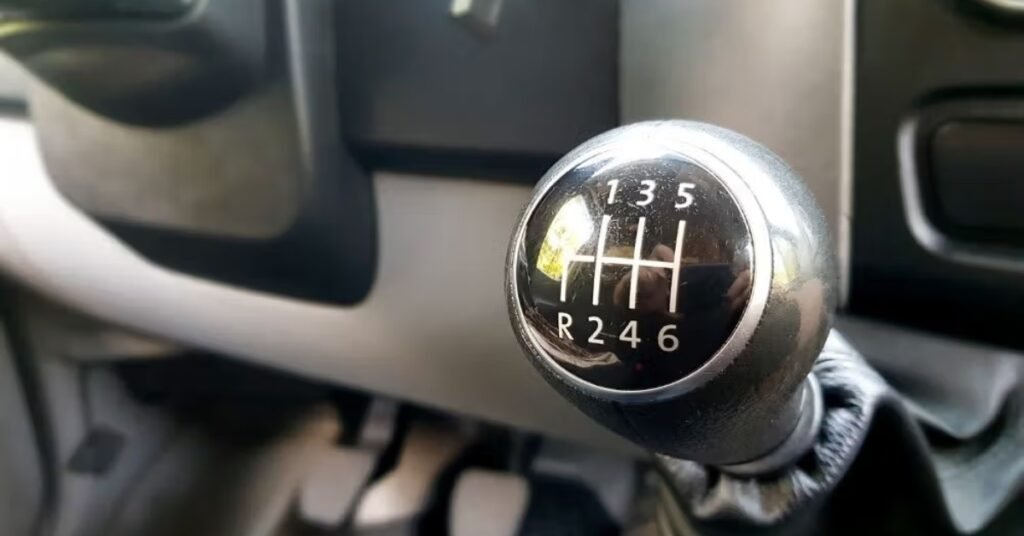
There are 6 forward gears and one reverse gear; this is all that a 6-speed transmission implies. Such transmissions are either manual, automatic or at least semi-automated (sequential).
Previously, 6-speed gearboxes were primarily used in high-performance vehicles, but they are now being used in regular vehicles too.
What Makes a 6-Speed Better on the Road?
The engine has a higher number of gears and can work more efficiently at varying speeds. This implies that it accelerates smoothly, and the engine does not strain when taken on a long drive.
- Highway Fuel Efficiency.
- Reduced engine RPM at high speeds.
- Increased acceleration and power.
Greater regulation of driving performance.
The sixth gear is sometimes regarded as an overdrive gear, and the gear assists the car to have a lower engine speed but a higher road speed. This makes the drive more comfortable and quiet.
It has various types of 6-Speed Transmissions.
Manual Transmission
It is the one in which the driver operates a clutch pedal and a gear lever to change gears. It provides complete control of the vehicle.
Automatic Transmission
This system has an automatic gear-changing system that changes the gear through a torque converter. It is city trafficable and easy to drive.
Sequential Manual Transmission.
This current system permits changing gears by means of paddle shifters, into which a clutch pedal has been removed. It integrates ease and efficiency.
What Is a 5-Speed Transmission?
Five forward gears make up a 5-speed transmission, which is commonly present in older vehicles and in low-end models. Before 6-speed systems became popular, they were commonly used.
Even now, it is still dependable and does not fail in normal driving situations.
- Major Capabilities of 5-Speed Transmission.
- Easy and uncomplicated change of gears.
- Stable driving in the city.
- Reduced the complexity of maintenance.
- Suitable for beginners
All forward gears are often synchronised in manual versions, and this means they will not grind and also wear out easily.
Automatic Transmission 5-Speed.
It has a 5-speed automatic transmission that integrates comfort and control. It does not have a clutch pedal, but rather it uses a torque converter to transfer power.
Other models can additionally be equipped with manual override so that the driver is able to shift manually when necessary.
The transmission through this is characterised by:
- Smooth gear transitions
- Easy driving in traffic
- Balanced fuel efficiency
- Consistent long-term performance.
- Major Distinctions of 5-Speed and 6-Speed.
The largest difference is in the gear ratio and performance
Gears are tighter in a 6-speed transmission. This makes the engine remain within its optimum power band frequency. Through this, the car becomes more responsive and efficient.
Conversely, the distance between gears in a 5-speed transmission is a little wider. It does not provide as much efficiency on highways but it still does a good job.
Real Driving Difference
The sixth gear of a 6-speed transmission would ease the load on the engine when you are driving at high speed. This results in enhanced mileage and less noise in the cabin.
Conversely, a car with 5 speeds can rev higher at the same speed, making the fuel consumption slightly higher.
- The Benefits of 6-Speed Transmission.
- Increased fuel efficiency, particularly on highways.
- Better and more advanced driving experience.
- Less wear in the engine over time.
- Improved performance and speed.
- Benefits of 5-Speed Transmission.
- Less complex design and simplified maintenance.
- Reduced cost as compared to 6-speed systems.
- Trustworthy for everyday commuting.
- The perfect entry-level car to drive.
Which One Should You Choose?
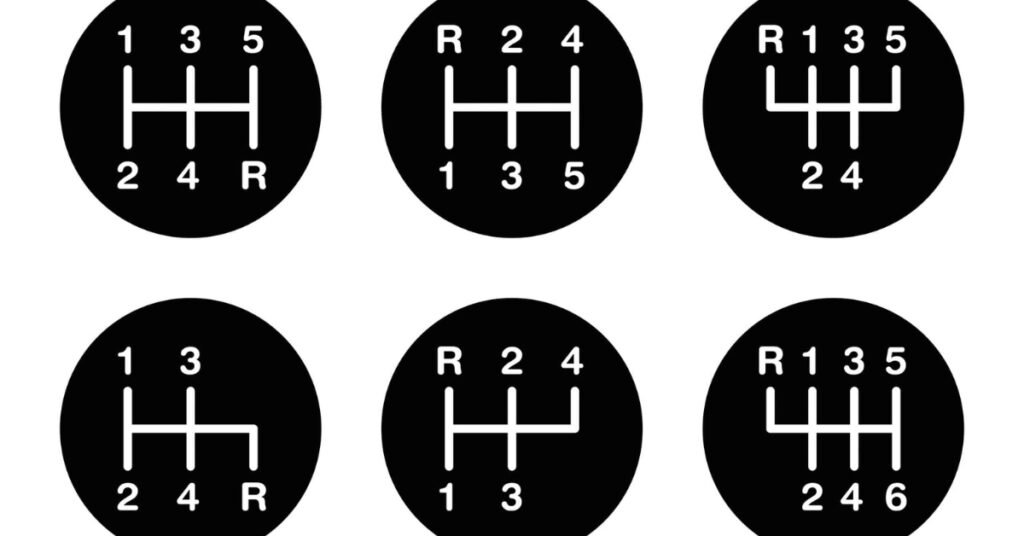
The 5-speed and 6-speed are up to an individual to decide which one is better according to the needs of his or her driving.
In case you are primarily an urban driver and like to remain simple, the 5-speed transmission can also be used. But in case of high highway use and a desire for higher efficiency and performance, a 6-speed transmission will be better.
Frequently Asked Questions (FAQs)
What is the meaning of a 6-speed transmission?
It implies that the car will include six forward gears, which will enable a higher level of control, performance, and fuel efficiency.
Is a 6-speed transmission superior to a 5-speed transmission?
In most cases, yes. It has increased fuel efficiency, easier driving, and highway performance.
Why is a 5-speed transmission better?
It is more convenient, less expensive, and dependable, and can be used on a daily basis.
The more gears, the better the mileage?
Generally, yes. The additional gears assist the engine to be efficient, particularly when going faster.
Good 5-speed automatic transmission?
Yes, it is easy to drive, stable and offers acceptable fuel economy on a day-to-day basis. Ultimately, the correct transmission is dependent upon the way and place of driving.
Disclaimer: The given article is informational. Performance Transmission Performance Transmission performance varies according to the vehicle model and manufacturer. Specifications and features Transmission Performance
Also Read:
Is Red Positive or Negative on a Car Battery: Easy Guide for Beginners
What Is a Cutting Tool? Types, Names and Materials Explained
4 Signs of a Bad Starter Relay: Symptoms, Causes & Fix Guide