As you sit at a car, it is likely that you see the steering wheel, the seats, the mirrors and a host of other controls around you. Have you ever asked yourself how many components are the interior of a car altogether and what they are?
The cabin of a car is carefully modelled to ensure that it is easy, safe, and comfortable to drive. Each button, pedal, and control serves a particular purpose, which assists the driver in operating the vehicle without any issues and ensures that passengers have all the necessary comfort.
What Are Car Interior Parts?
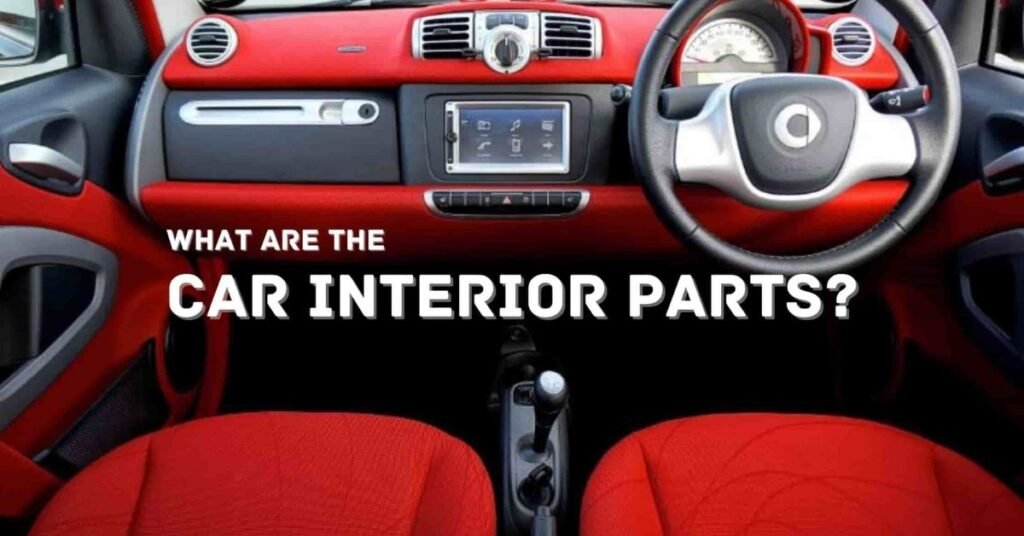
Components that are found inside of the car, assist the driver in taking control of the car and also give comfort and safety to the passengers are the car interior parts.
These are controls, displays, safety systems, and conveniences. With the time, the modern cars have evolved and have come up with more features such as navigation systems, digital displays, reverse cameras, and entertainment systems. Nevertheless, the fundamental interior elements are necessary to drive the car safely.
Top 20 Car Interior Parts and their Applications
Steering Wheel
The most significant control that is used to alter the direction of the vehicle is the steering wheel. The driver uses the steering wheel by rotating it to the left or right to control the movement of the front wheels. It also frequently covers controls of the horn, cruise control and multimedia.
Speedometer and Fuel Gauge
Speedometer indicates the speed of the car which is normally in kilometers per hour or miles per hour.
The fuel gauge indicates how much fuel is left in the fuel tank, and the driver is aware of when he/she needs to refuel.
Turn Signal Indicator
The turn signals help to denote the direction in which the driver is to turn. A lever located close to the steering wheel controls them.
These indications enable other road users to know what you are doing on the road which enhance safety.
Air Ventilation System
Airflow within the car is regulated by the air ventilation system. It comprises of air conditioning, heating and ventilation controls.
This system also ensures that there is a comfortable temperature in the vehicle irrespective of the weather conditions.
Side Mirror
The wing mirrors which are also known as side mirrors are positioned on each side of the automobile.
They enable the driver to view passing vehicles behind or even on the sides of the road minimizing blind spots and enhancing road safety.
Rear View Mirror
The rear view mirror is installed at the inside of the car on the window. It assists with enabling the driver to view the vehicles that are behind the car without turning around.
Vehicle Audio System
Entertainment is offered by the vehicle audio system when one is on the road. Modern systems include:
Radio
- Bluetooth connectivity
- Smartphone integration
- Navigation systems
This enables long drives to be more enjoyable to the passengers.
Emergency Flashers
Hazard lights (emergency flashers) are implemented in cases when a vehicle halts because of an emergency or a mechanical problem. In the turned-on mode, all the turn signal lights will flash to notify other road users.
Glove Compartment
The glove compartment is a minor compartment that is found in the dashboard before the passenger seat.
It is commonly used by drivers as a means of storing documents, manuals, sun glasses or other small tools.
Airbags
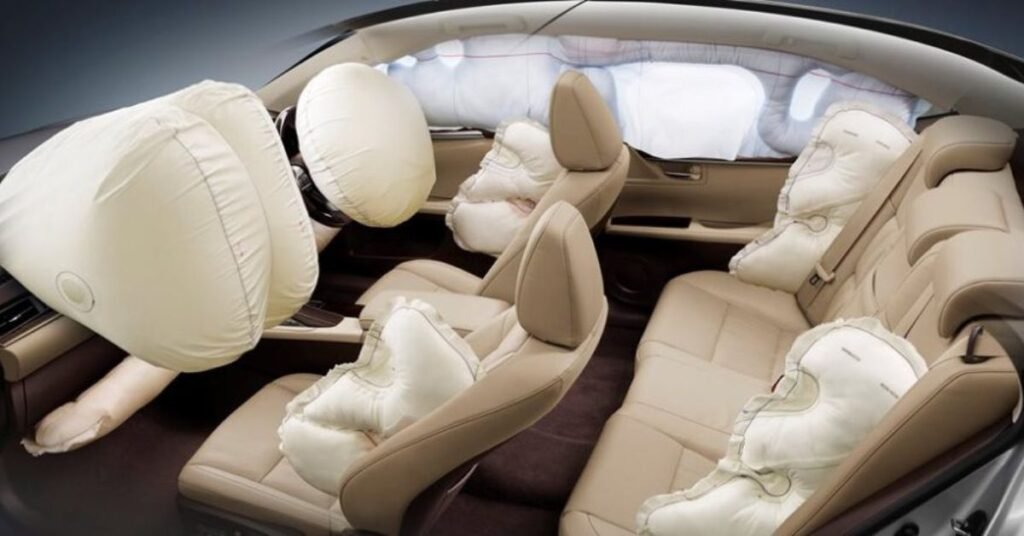
Airbags are the safety devices that are fitted in the steering wheel, dashboard and occasionally on the side of the seats. They swell up immediately in an impact to minimize chances of inflicting severe wounds.
Clutch Pedal
Manual transmission cars have the clutch pedal. The act of pressing the clutch separates the engine and the transmission enabling the driver to shift gears without a hitch.
Brake Pedal
The brake pedal can decelerate or accelerate. The braking system puts pressure on the wheels when the driver presses the pedal in order to slow down.
Gas Pedal (Accelerator)
The speed of the car is governed by the gas pedal. The act of pressing the pedal boosts the force of the engine and does accelerate the vehicle.
Power Window Controls
The power window buttons enable the driver and the passengers to open or close windows with electronic control.
This was a feature that substituted manual window cranks in most present-day vehicles.
Transmission or Gear Shift
Gear shift or transmission lever enables the driver to shift gears. Stick shift is found in manual cars and gear selection is found in automatic cars.
Ventilation Controls
The ventilation controls control the air flow, temperature and speed of fan in the car. The driver is able to control the settings in terms of heating / cooling or defrosting the windshield.
Cup Holder
Cup holders are small enclosures that are meant to carry drinks during driving. They help to ensure that the drinks do not get spilled during transportation.
The Emergency Brake (Parking Brake) is activated on emergency brake activation and released on emergency brake deactivation. The emergency brake or parking brake is the aspect that prevents the vehicle when it is parked. It tends to be fitted in between the front seats or by a pedal.
Floor Carpet
Interior floor carpets cover the floor inside the car against dust, mud and water.
- They are also easier to clean and make it more comfortable.
- Seat and Seat Belt
- Seats are comfortable to both the drivers and the passengers.
Seat belts are important safety equipment which prevents passengers as they are thrown against the ground in case of sudden arrest during accidents.
Reasons Why It Matters to know some car interior parts
Being aware of the fundamental interior parts of a car assists the drivers to drive the car safely and without fear.
The following are some of the reasons why it is important:
- New drivers learn the controls of vehicles well.
- Enhances road safety and consciousness.
- Simplifies troubleshooting in case something is not working.
- Helps drivers ensure vehicles are in a better condition.
The knowledge of these parts can result in a more comfortable and enjoyable driving.
Questions and Answers (FAQs)
What are the key internal components of a car?
Principal interior components are steering wheel, pedals, instrument dashboard, mirrors, seats, airbags and gear shift.
What is the part in the car interior that determines the direction of the vehicle?
The vehicle is driven using the steering wheel.
What is the use of airbags in a car?
Airbags are meant to cushion during accidents to minimize injuries.
What are the purposes of side mirrors?
Side mirrors assist the drivers to view the oncoming vehicles either behind or on the side reducing blind spots.
What is the purpose of the clutch pedal?
Clutch pedal separates the engine with the transmission to allow the driver to switch the gears in manual cars.
Disclaimer: The article is informative in nature. The designs of the vehicles and their interior can differ based on the manufacturer, model and the technology applied. Never use unofficial manuals as these are not always reliable regarding the information and safety guidelines.